Morgan 3 Wheeler buying guide, history, problems and what to pay
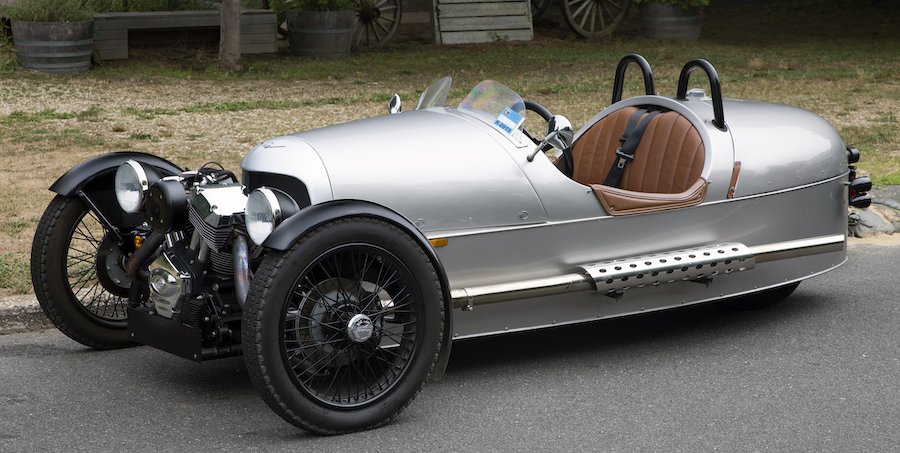
That was effectively Morgan’s thinking when it revived the 3 Wheeler in 2011, creating a machine that offered an experience unlike almost anything else on sale. With its exposed V-twin engine, open cockpit and a driving position barely above the road, even an ordinary journey becomes an adventure.
More than a decade after its introduction, the modern 3 Wheeler remains a wonderfully eccentric proposition. It can also be surprisingly demanding to own, particularly in early specification, but extensive factory improvements and owner-developed solutions mean a properly sorted example can be far more dependable than its reputation suggests.
Morgan 3 Wheeler at a glance
| Built | 2012–2021 |
| Body | Open two-seat three-wheeler |
| Engine | 1983cc S&S X-Wedge V-twin |
| Power | 82bhp; later Euro 4 models approximately 68bhp |
| Transmission | Five-speed manual, single rear-wheel drive |
| Weight | Approximately 525kg |
| Most collectable | P101 and limited editions |
| Best value | Properly upgraded early cars |
| Values | Approximately £20,000-40,000 |
History of the Morgan 3 Wheeler
Although Morgan is now principally associated with traditional four-wheeled sports cars, its origins lie with the three-wheeler. HFS Morgan developed his first prototype in 1909, and the company’s early success was built around lightweight machines powered by motorcycle engines. V-twin models and their later Ford-engined F-series successors remained in production until 1952.
Almost 60 years later, Morgan returned to the concept. Unveiled at the Geneva Motor Show in 2011, the new 3 Wheeler took inspiration from the sporting Super Aero models of the 1920s and 1930s, combining an exposed engine, narrow front wheels and minimalist cockpit with comparatively modern engineering.
Power came from an American S&S 1983cc X-Wedge V-twin, developing 82bhp and 103lb ft, coupled to a Mazda MX-5-derived five-speed manual gearbox. Drive reached the single rear wheel through a compensator, bevel box and toothed belt, while the aluminium bodywork was supported by traditional ash framing over a tubular steel chassis.
Weighing little more than 500kg, the Morgan offered vivid performance despite its modest power output. The factory claimed 0–62mph in six seconds and a maximum speed of 115mph, although the sensation of speed was always more important than the figures.
There was essentially one core model, but development throughout production makes the differences between individual cars important. Early examples suffered from pronounced bump steer, while the original compensator could fail prematurely. Chassis cracking was another concern, alongside noisy bevel boxes and excessive engine temperatures in slow traffic.
A substantial package of improvements arrived for 2014. Revised steering geometry addressed the bump steer, while a strengthened chassis improved rigidity and durability. A new Centa compensator improved power delivery, and revised bevel-box mounting arrangements aimed to reduce noise and vibration. The Urban Cooling Kit introduced an electric fan to help the air-cooled engine in traffic.
Further revisions addressed the cam-drive arrangement, voltage-regulator mounting and rear sprocket, with a more durable steel component replacing the original aluminium sprocket. Many improvements could be retrofitted, meaning an early car can be as well sorted as a later example.
European emissions and safety requirements prompted another significant update for 2017–18. Revised engine calibration and exhaust systems reduced power to approximately 68bhp, while suspension changes raised the ride height by around 50mm. The result was a slightly more refined car, although some enthusiasts prefer the livelier performance and lower stance of earlier Euro 3 models.
Personalisation was central to the 3 Wheeler’s appeal, with numerous paint, leather and graphics options. Limited editions included the Superdry, Gulf and Brooklands, the latter featuring distinctive fishtail exhausts. The P101 marked the end of production in 2021, with just 33 examples planned before the arrival of the more sophisticated Ford-powered Super 3.
Which Morgan 3 Wheeler should you buy?
The obvious choice is a car built after the major 2014 revisions, although earlier examples can be equally appealing if they have received the relevant factory and specialist upgrades. A 2012 car with a strengthened chassis, revised steering, Centa compensator and steel rear sprocket may be preferable to a newer example that has seen little maintenance.
Euro 3 models offer stronger performance, while later Euro 4 cars have improved ground clearance and a slightly more civilised character. Special editions generally command a premium for their rarity and appearance rather than substantial mechanical differences.
Check exactly which upgrades have been carried out, rather than accepting claims that a car has received ‘all the updates’. There were numerous running changes throughout production, and documentary evidence is essential.
Low mileage isn’t necessarily desirable if it means prolonged storage and neglected maintenance. A regularly used example with extensive specialist history and the important improvements completed is generally the safest purchase.
Morgan 3 Wheeler common problems and checkpoints
Chassis, steering and suspension
- Early tubular steel chassis can develop fatigue cracks, particularly around the upper chassis tubes behind the front wishbone mountings and the lower wishbone brackets. Some cars received replacement chassis, while others were strengthened. Inspect carefully for cracking or previous repairs, regardless of age.
- The original steering geometry produced considerable bump steer, making early cars nervous on uneven roads. Morgan’s Steering Comfort Kit revised the track-rod arrangement and is a worthwhile retrofit. Check suspension ball joints, bushes and mountings for play, especially if there are unexplained knocks.
- The front suspension is generally straightforward, but original dampers and bushes deteriorate with age. Quality aftermarket replacements can improve the handling, provided the geometry has been set correctly. Check for corrosion around chassis tubes, mudguard brackets and exposed suspension components.
- Certain early cars were recalled for potentially inadequate welding of the brake-pedal assembly. The official campaign, R/2019/315, covered vehicles built between October 2011 and March 2014. Confirm the recall has been completed, as failure could result in loss of braking.
Engine and drivetrain
- The S&S X-Wedge V-twin is generally robust internally, but oil leaks can develop around the rocker covers, crankshaft seals and dry-sump oil tank. Early gaskets are particularly vulnerable, while loose spark-plug terminals and ageing ignition components can cause running problems.
- The cam-drive arrangement needs particular attention. Early crankshaft pulley retaining bolts could loosen, sometimes damaging the timing cover. Revised bolts and ventilation modifications improved reliability, but check for evidence of these upgrades and regular belt replacement.
- The air-cooled engine can become excessively hot in prolonged traffic. The Urban Cooling Kit uses an electric fan to improve airflow and is desirable on early cars. Check that it operates correctly, along with any associated ECU modifications.
- Early Harley-Davidson-derived compensators, fitted between the engine and gearbox to absorb torque pulses, were prone to premature failure. The later Centa unit is considerably better, but its rubber rollers also wear. Excessive rattling, driveline backlash or judder can indicate problems, and replacement can involve expensive engine removal.
- The Mazda five-speed gearbox is generally dependable, but check for difficult changes, clutch slip and judder. The cramped pedal box can encourage drivers to rest a foot on the clutch, with some cars requiring replacement before 25,000 miles.
- Bevel-box whine is a characteristic of the model, although excessive noise, vibration or oil leakage suggests problems. Check the oil-change history, as neglected lubrication can accelerate wear. The later NVH mounting kit reduced transmitted noise in some cars, but owner experiences are mixed.
- Early aluminium rear-drive sprockets wear rapidly as grit becomes trapped between the belt and teeth. A steel replacement is desirable. Inspect the sprocket for hooked or damaged teeth and check belt condition, tension and alignment. A belt jumping teeth produces alarming clunks under acceleration.
Fuel system and electrics
- Original electric fuel pumps are a known failure point, sometimes stopping without warning. Listen for the pump priming when the ignition is switched on. Many owners have fitted more reliable Walbro replacements, which are generally regarded as a worthwhile upgrade.
- Fuel-tank retaining straps and brackets can loosen or crack, allowing movement that stresses the connections. Inspect for damaged mountings, chafed fuel lines and signs of leakage, particularly around the tanks and behind the engine.
- Early voltage regulators were vulnerable to heat, vibration and poor earthing. Later relocated installations and improved replacement regulators are desirable. Check charging voltage, wiring connections and the condition of the battery.
Bodywork and finishing details
- Aluminium body panels can suffer corrosion around steel mountings, while the front mudguards and exhaust brackets are vulnerable to rust and vibration damage. The Brooklands edition’s fishtail exhausts are especially prone to cracking around their mountings.
- The exposed cockpit is durable but susceptible to water damage and fading. Check the leather, carpets and fittings, and establish whether the optional tonneau cover is included. Make sure the quick-release steering wheel locks securely in place.
- Low-mileage cars often retain ageing tyres, so check dates as well as tread depth. Rear-wheel removal is awkward and requires careful belt realignment afterwards, making evidence of recent tyre replacement worthwhile.
Morgan 3 Wheeler values: what to pay
Values have softened from their earlier highs, but remain relatively punchy with around £20,000-25,000 buying a usable early car. Examples requiring expensive chassis or drivetrain work should be approached cautiously. Budget £27,000-32,000 for a well-maintained, properly upgraded example, while particularly good post-2014 cars generally command £30,000-35,000. Later Euro 4 models and low-mileage special editions can reach £35,000-40,000, with rare P101 examples potentially exceeding this.
| Model | Fair | Good | Excellent |
|---|---|---|---|
| 2012–2013 | £21,000 | £27,000 | £34,000 |
| 2014–2016 | £23,000 | £29,000 | £36,000 |
| 2017–2021 | £25,000 | £31,000 | £39,000 |
Verwandte Nachrichten
