Why the Mercedes W123 Is Still the Definitive Classic Benz at 50
Key Points
- The Mercedes W123, launched in 1976, became renowned for unmatched reliability and longevity.
- Designed by Freidrich Geiger, it featured various body styles and a wide engine selection.
- Nearly 2.7 million units were produced, making it Mercedes' most successful single-generation model.
The Quintessential Classic Mercedes
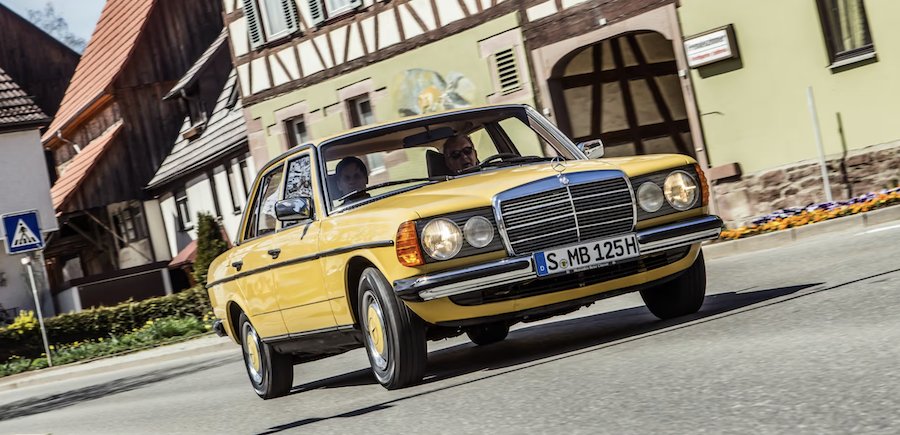
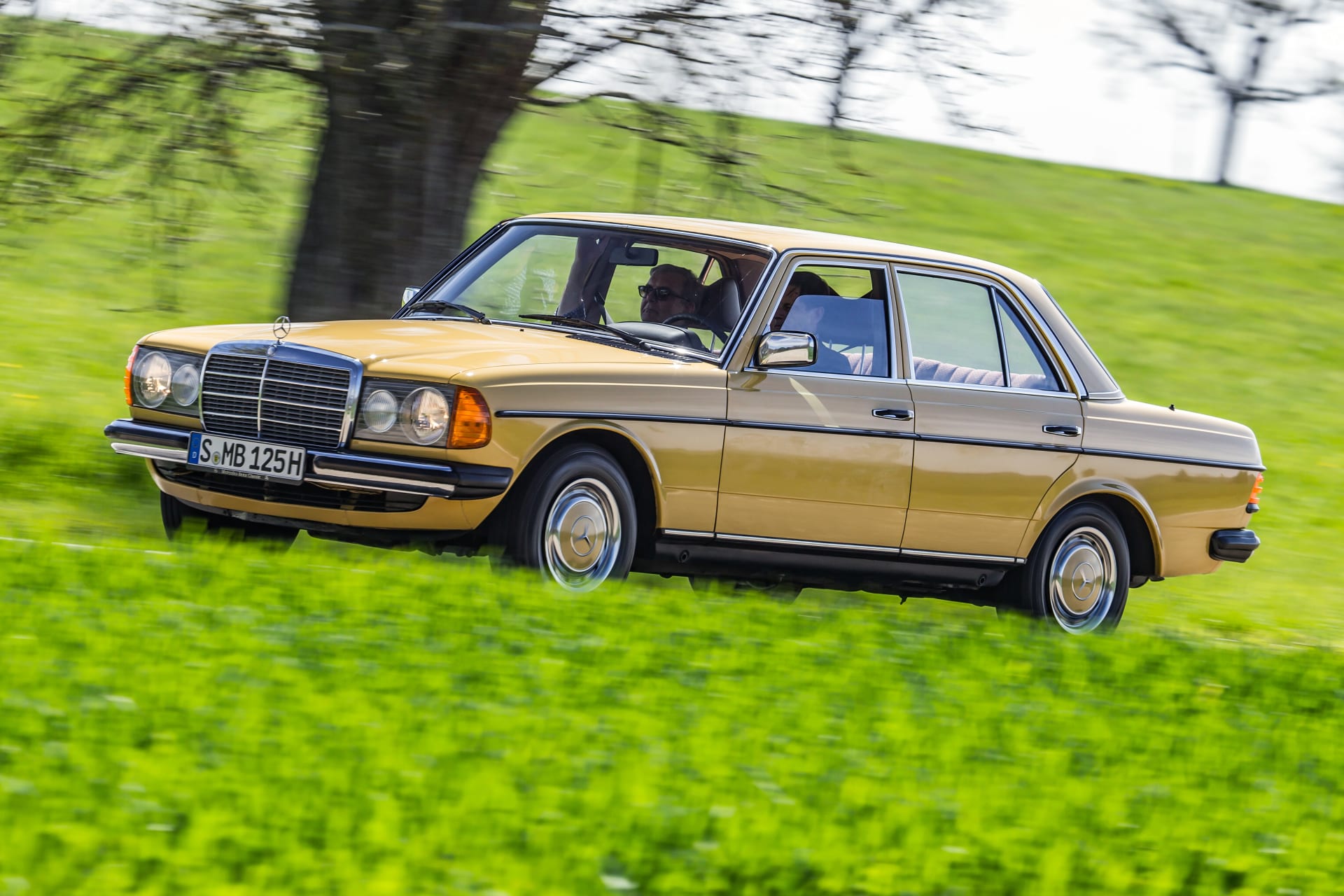
Ask anyone to paint a picture of a classic Mercedes-Benz, and chances are the image of a W123 might appear. Such is the impact of that model that it still makes an impression today. It was renowned for its reliability and durability, and it was a car that truly lived up to the mantra of ‘Engineered like no other car in the world.’
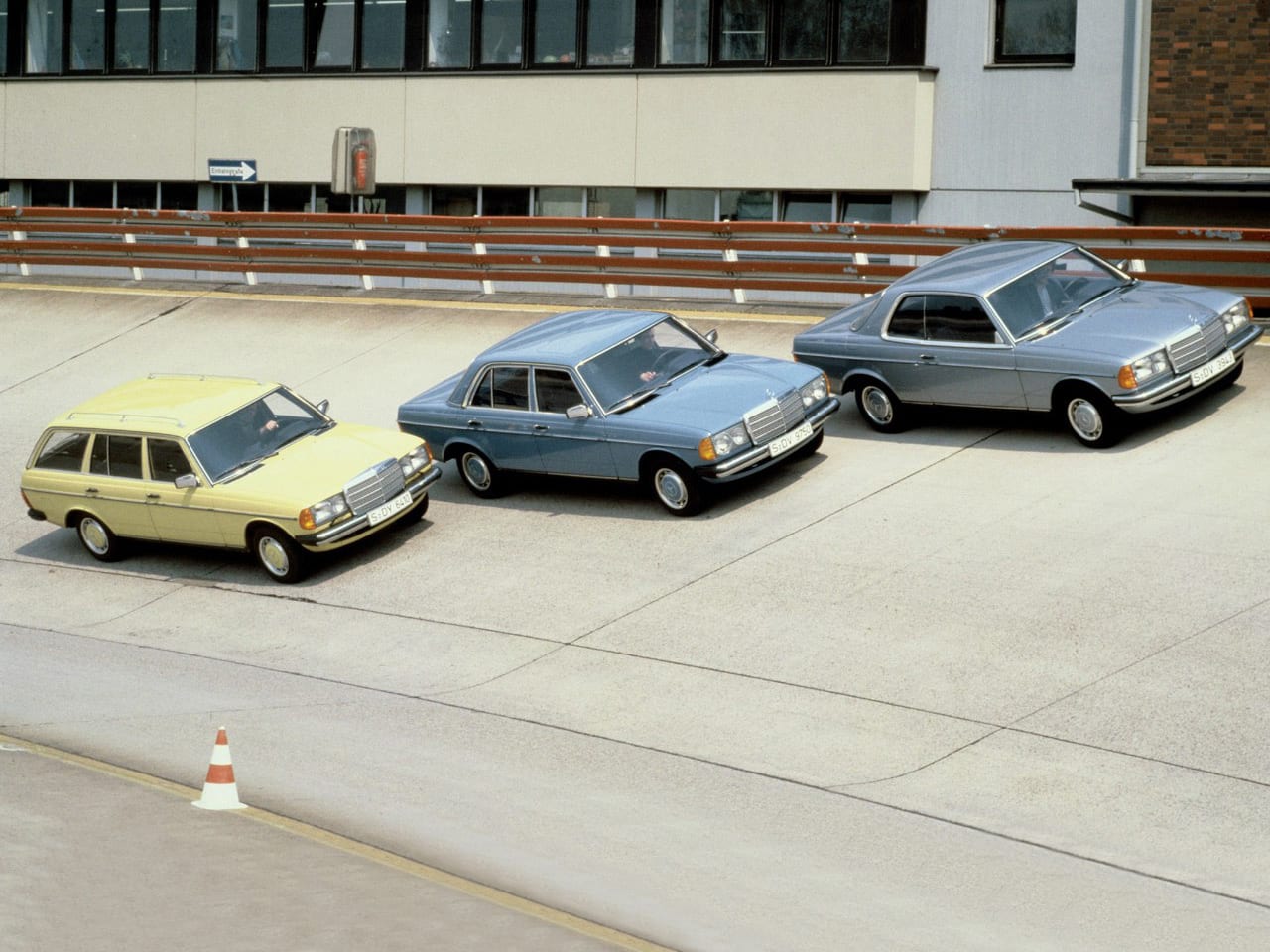
Launched in January 1976, this icon celebrates its 50th anniversary. In those 50 years, it’s been offered as a traditional family sedan, a practical station wagon, and a stylish coupe. These have also been turned in to taxis, police cars, and even ambulances. Seeing these with either a million miles or a million kilometers isn’t a rare occurrence, and thanks to its immense longevity and the sheer number in the span of a decade, many still remain on the road today.
Built on Strong Foundations
The 123 succeeded the 114 and 115 mid-size Mercedes-Benz models, and can easily be described as evolutions of the two. Its engines were largely carried over from the previous models, and its suspension arrangement was similar to that of its predecessor. It’s a bit old-tech, yes, but it was also tried and tested. The 114 and 115 already gained a great reputation for solidity and dependability by then, but the 123 would turn that up by a couple more notches.
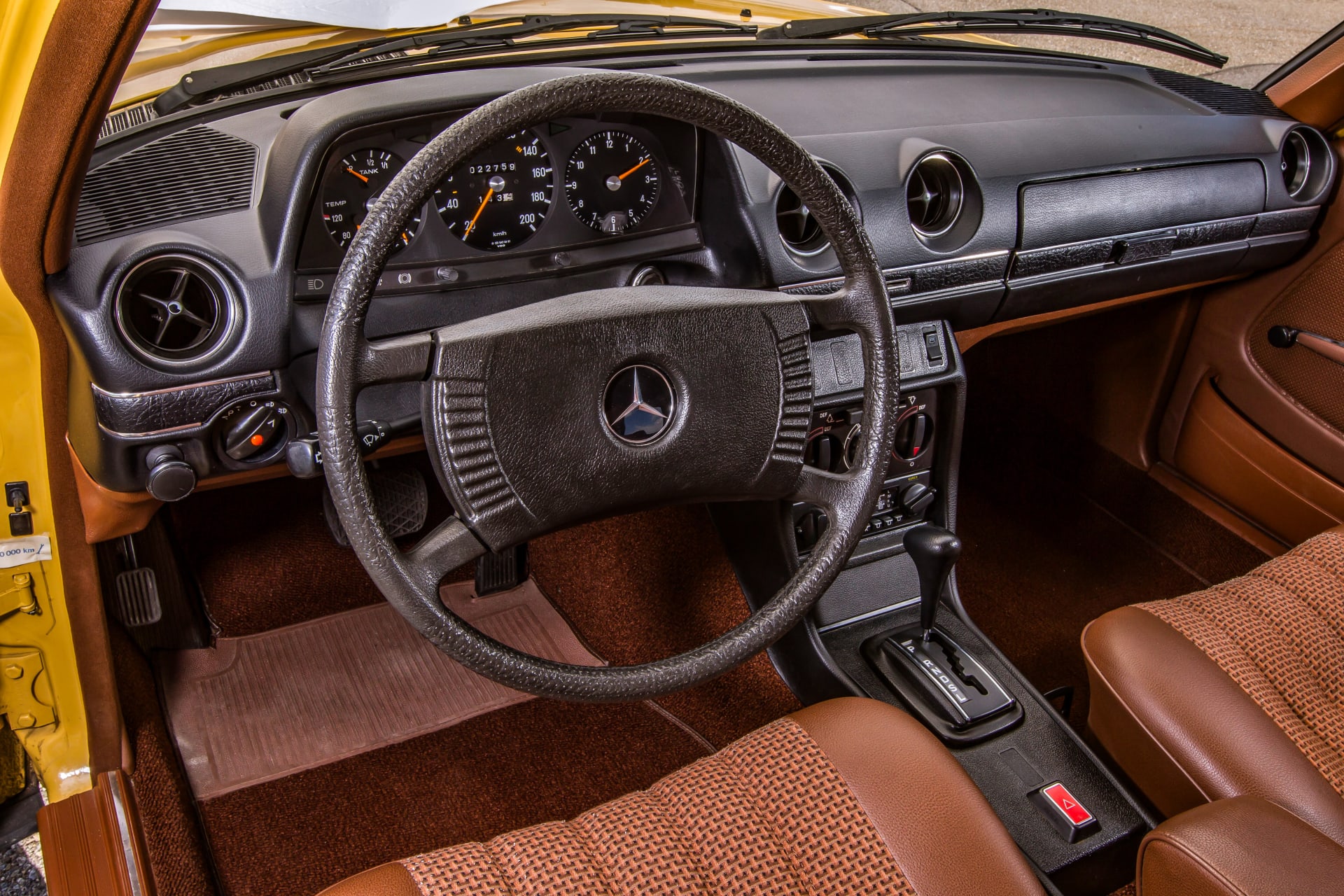
As for its styling, it drew inspiration from the first official generation of the S-Class, the W116. The 123 would employ a more wedge-like look, in stark contrast to the 114 and 115 boxy and upright exterior. The interior would also incorporate elements from the flagship sedan, further enhancing its ergonomics.
It’s worth pointing out that Bruno Sacco had almost nothing to do with the look of the 123. Instead, it was Freidrich Geiger who led the design department at the time, and the car we know today was actually finalized in 1973. Geiger would retire that same year and pass the reins to Sacco. By the way, Geiger was also the designer of the 300SL Gullwing. The 123 was his final act for the brand, and possibly the most important car he helped create.
Some Facts and Figures
The 123 came with a whole smorgasbord of engine choices and body styles throughout its life. The first of the extended family was the coupe that carried the internal designation of C123 in the spring of 1977. As for the much sought-after wagon, that one arrived in September 1977 with the code S123. Long-wheelbase models were dubbed V123, while the F123 was the model built with conversions in mind.
Its initial gas engine lineup consisted of four and six-cylinder carbureted engines, as well as a six-cylinder fuel-injected mill. As for the diesels, there was a choice between four or five-cylinder motors, with North America being the only market getting a 3.0-liter turbodiesel for sedan and coupe body styles. Speaking of which, most North American 123s came with a diesel as its American launch coincided with the introduction of corporate average fuel economy regulations and amendments to the Clean Air Act. Gas models were initially offered, but were soon dropped, leaving Americans with models such as the 240D, 300D, and 300D Turbodiesel.
Minor engine adjustments were introduced in 1979, and a fuel-injected four-cylinder option arrived in 1980 in the form of the 230E. It was also made available in coupe and wagon body styles and badged as 230CE and 230TE, respectively. The engine used in that model was particularly important. Dubbed the M102, it would later power the 190E 2.3 and would also be fitted to the W124 models in most markets. Also, the M102 would serve as the basis of the Cosworth-tuned 190E 2.3-16 and, later on, 190E 2.5-16.
Millions and Millions Served
The 123 would have a long production cycle, wrapping up in January 1986 after the succeeding W124 models began production a few months prior. The most popular models of the 123 were the 240D, 230E, and 200D. Among those three, the 240D is at the top with 448,986 made. If you’re curious what the rarest combination of the 123 is, that would be the 280C with just 3,704 built.
In the end, nearly 2.7 million 123s of various body styles and configurations were produced, and Mercedes-Benz claims it’s their most successful single-generation model ever made. We’re inclined to believe them, and the 123 set up the 124 for success, as about 2.7 million of those were also made. The 124 would later become the first official model to be badged the E-Class.
Mercedes-Benz says the 123 offers performance without ostentation and comfort without pomp. Oh, how we wish we could say the same about today’s offerings.
Related News
