6 photos
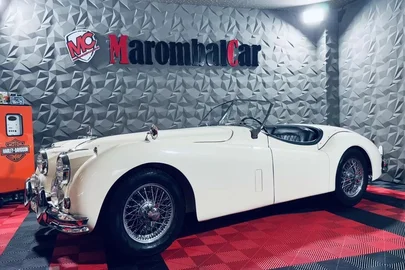
1949' Jaguar Xk120
Signaler cette annonce!Évaluer!Ajouter aux favoris
£119,995Publié 21 Novembre 2026ID: 4Q1iJY
- Klasiko
- Wiltshire
- +44Voir le numéro
Information from the owner
Corps: Coupés Sportives
Âge: 77 années
Kilométrage: 818 km
Déplacement: 3442 cc
Carburant: Essence
Transmission: Mécanique
Couleur de la carrosserie: Noir
Commentaires du vendeur sur 1949' Jaguar Xk120
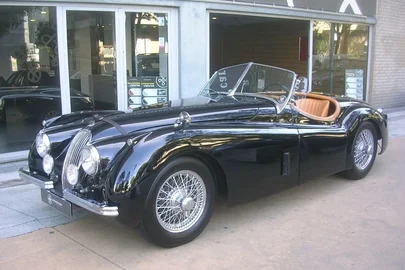
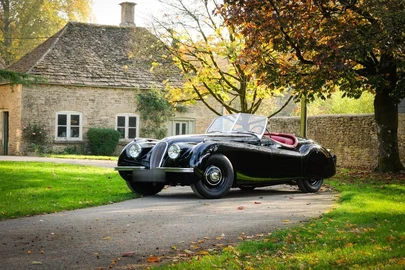
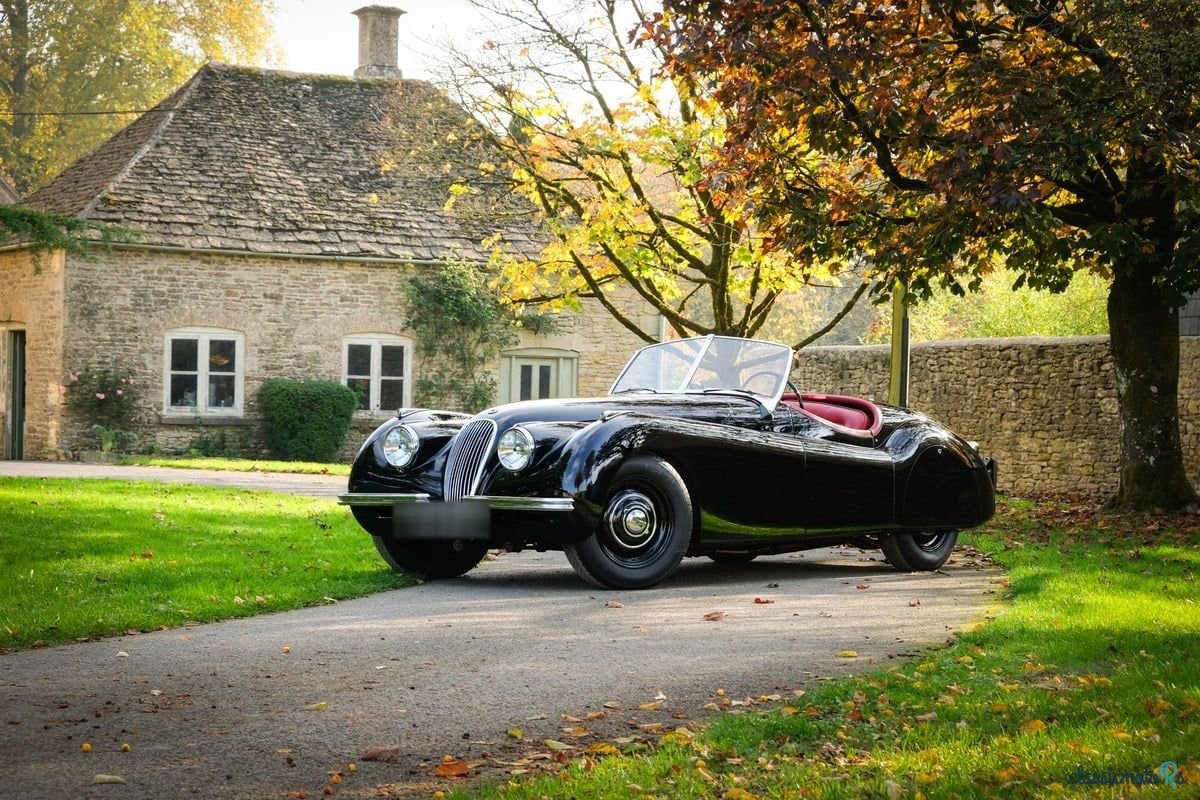
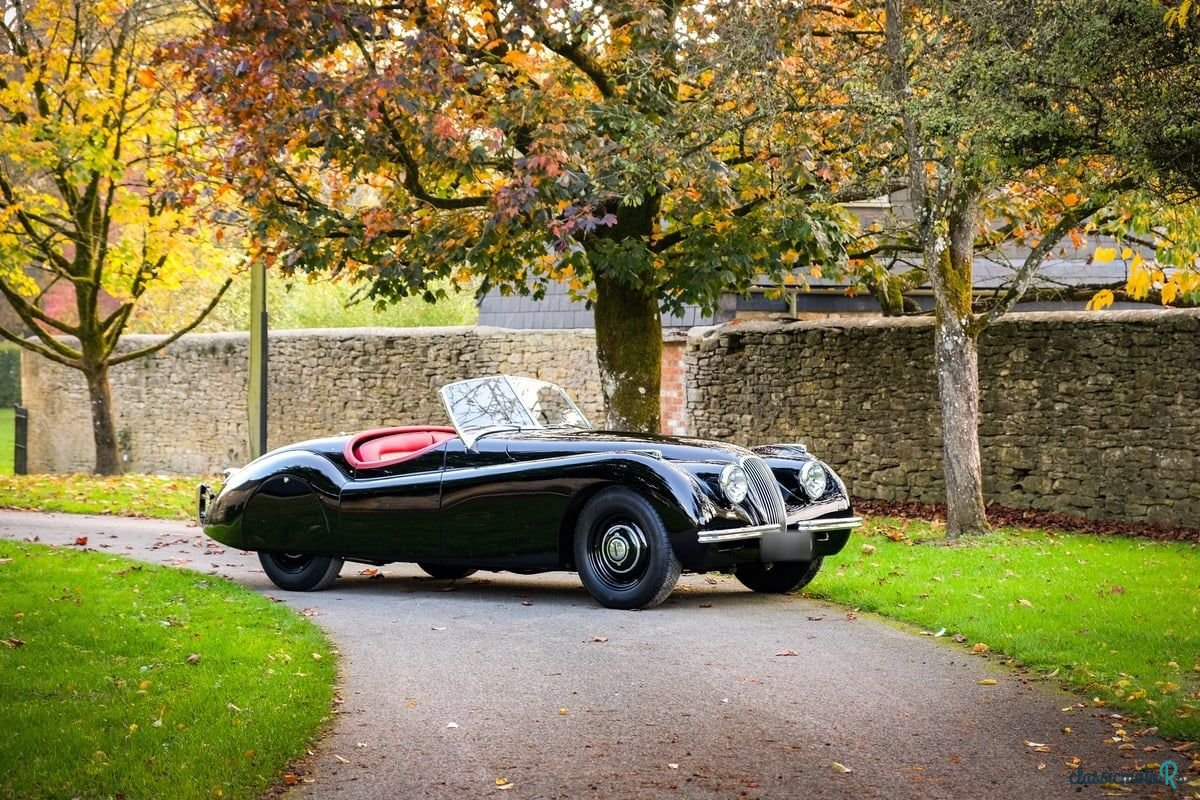
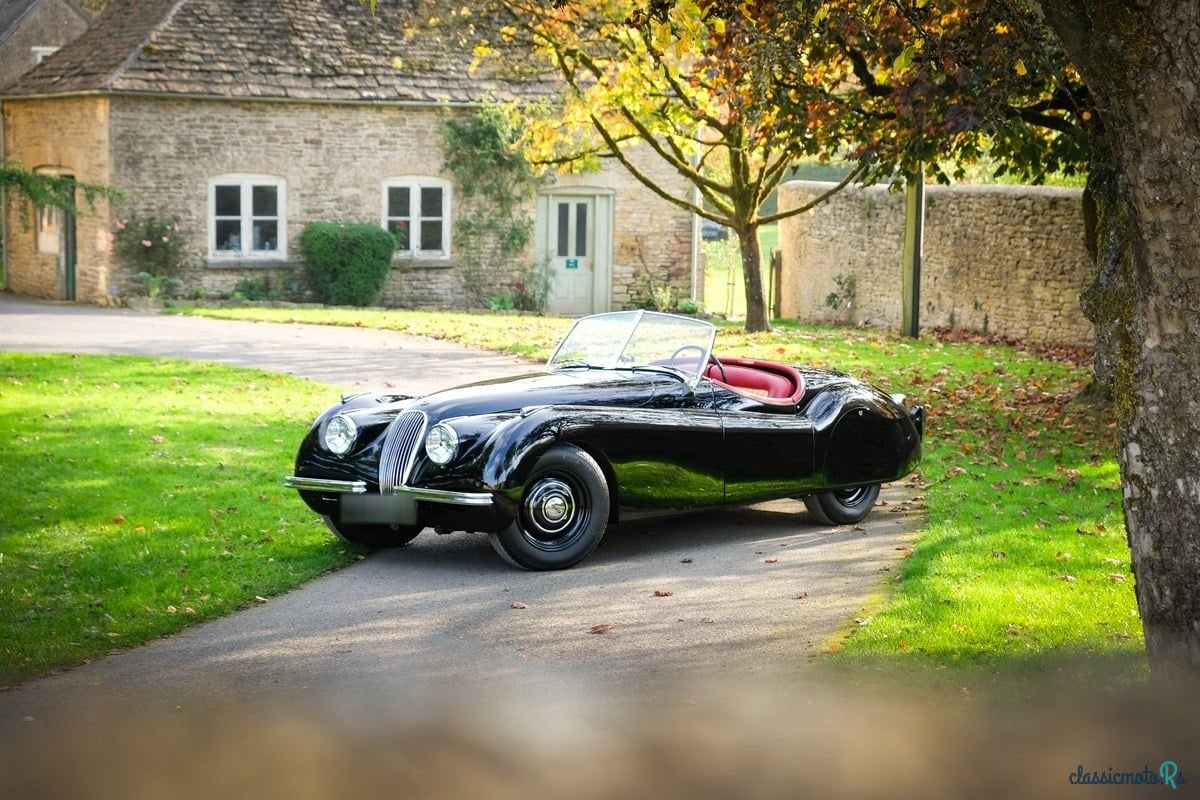
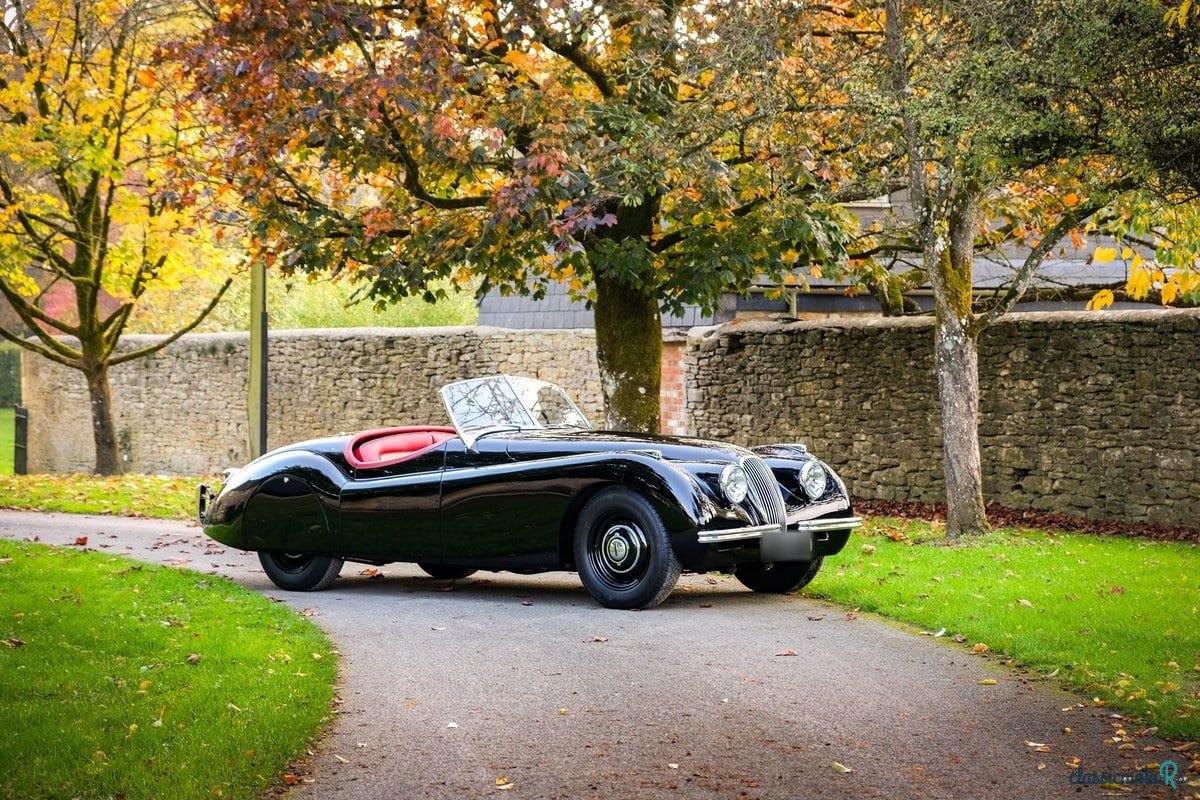
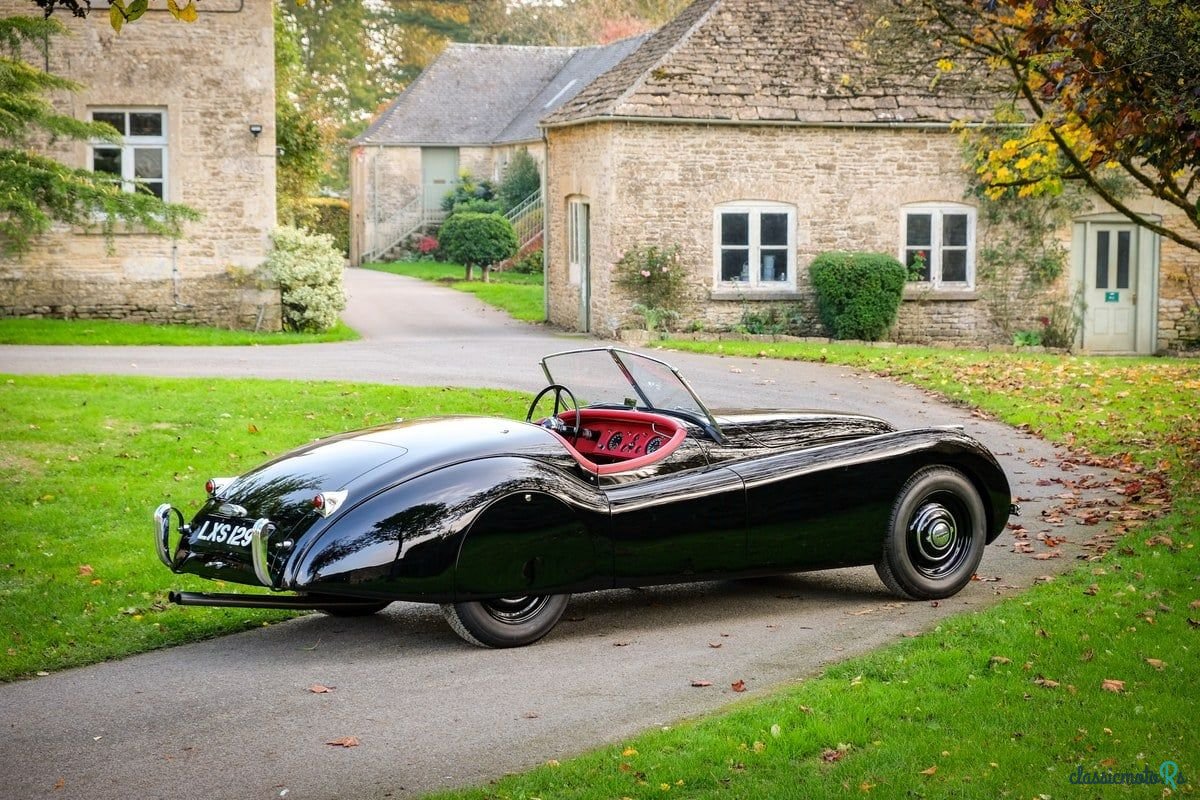
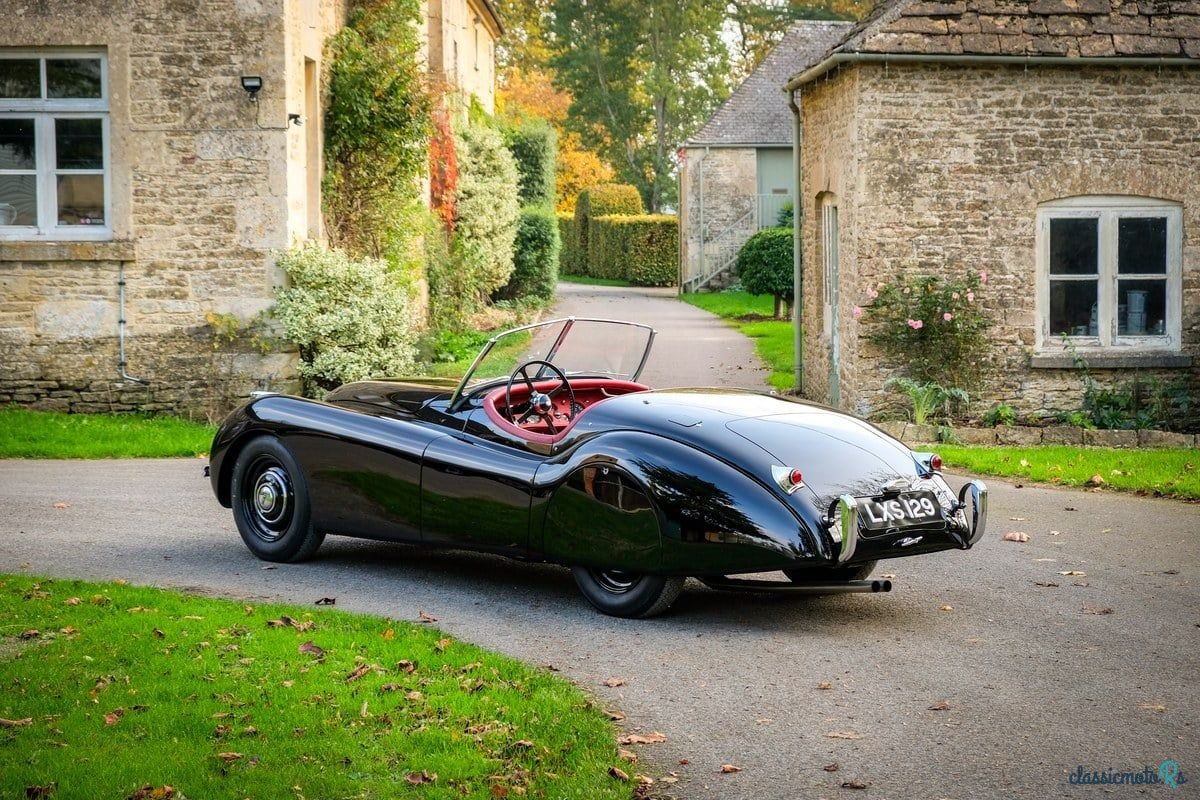
- One of just 184 left-hand-drive alloy-bodied XK120s produced- Comprehensive 'nut and bolt' restoration completed in 2019, with invoices totalling approximately £183, 000- Offered following 36 years of ownership, accompanied by an extensive history file and photographic restoration recordFirst unveiled at the 1948 Earls Court Motor Show in London, the Jaguar XK120 caused an immediate sensation. Conceived and constructed in little more than six weeks, the new roadster had originally been intended as a means of showcasing Jaguar's remarkable new 3. 4-litre XK engine, which was destined for the forthcoming MkVII saloon. Designed under the watchful eye of Jaguar founder William Lyons, its beautifully flowing aluminium bodywork was widely acclaimed, while its claimed top speed of 120mph made it the fastest production car in the world at the time. In post-war Britain, where the government had famously instructed manufacturers to 'export or die', the XK120 would become one of the country's most important automotive exports, helping establish Jaguar's reputation on the international stage.Jaguar had initially anticipated producing only a small number of XK120s, with an estimated production run of around 200 cars. The original roadsters were therefore constructed using hand-beaten aluminium panels mounted over an ash framework, a traditional coachbuilding technique that offered the advantages of reduced weight and relatively straightforward production. However, the response to the new model far exceeded expectations, and the considerable time required to handcraft each body soon made larger-scale production impractical. Once suitable steel body tooling became available, Jaguar transitioned to steel construction, bringing an end to the original lightweight alloy roadsters after approximately 240 examples had been completed. Of these, 184 were built in left-hand-drive configuration, reflecting the importance of the American and other overseas markets to Jaguar during the immediate post-war years.Beneath its elegant bodywork, the XK120 featured Jaguar's magnificent 3, 442cc twin-overhead-camshaft straight-six engine, producing 160bhp in standard specification. Its combination of impressive power, relatively light weight and exceptional flexibility delivered performance that was unprecedented for a British production sports car. Jaguar was equally keen to demonstrate that its performance claims were no exaggeration. In May 1949, a standard XK120 achieved a remarkable 126. 4mph on the Jabbeke highway in Belgium, with its hood and side screens erected, firmly establishing its credentials as the world's fastest production car. Equally at home covering long distances at speed or demonstrating its capabilities in competition, the XK120 set new standards for performance, refinement and sporting elegance. Today, the hand-built alloy-bodied roadsters remain among the most coveted derivatives of the XK family, representing the purest expression of the original XK120 concept.Manufactured on 28 December 1949, this left-hand-drive example was originally finished in the attractive combination of Black over Biscuit, with Red leather upholstery. Chassis 670066 was dispatched to Import Motors in Denver, Colorado, where it was subsequently sold to its first owner, Mr Jack Lighthall.Little is known of the car's early history until it was acquired by the current owner from Tony Otolo of Boston, Massachusetts. By this time, the car was in poor condition and, according to the information provided to the owner, had previously undergone significant modifications for competition use. It was understood that the original engine had been replaced with a V8, the chassis shortened and the bodywork modified. When the car was subsequently repatriated to the UK on 7 August 1991, through Bridport Jaguar Restorations, it had been refitted with a Jaguar engine, although not the correct original specification.The owner subsequently devoted considerable time to sourcing the missing components and, in 1992, commissioned further work to the chassis and bodywork. However, dissatisfied with the standard of workmanship, he elected to halt the restoration rather than compromise the quality of the finished car. The XK120 consequently remained in his ownership, largely in its then condition, for a further 25 years.In November 2016, following discussions with a number of specialists, the decision was finally made to embark upon a comprehensive 'nut and bolt' restoration, with the objective of achieving concours standard. The project was entrusted to John May of XK Developments and Roy Hitchman of XK Restorations Ltd. Having spent several years carefully gathering missing components, the owner had specifically sought John May's expertise and extensive experience with alloy-bodied XK120s. Indeed, John had reportedly restored more alloy-bodied examples than almost anyone else and possessed an encyclopaedic knowledge of these particularly special cars. As this was to be his final project before retirement, he generously drew upon his own extensive parts collection, ensuring that the vast majority of components fitted were correct, genuine and appropriate to the period.Particular attention was paid to repairing and retaining the original chassis and bodywork wherever possible, with correct early-type components sourced throughout. By this time, the car was reportedly in a very poor state, with the bodywork requiring considerable attention. The engine was also found to be non-matching, so a replacement engine built by Classic and Modern was sourced, incorporating an early XK120 block, early cylinder head and a particularly rare crankshaft, in keeping with the objective of retaining correctness and originality wherever possible.Over the course of the following two years, the car underwent a painstaking restoration to an exceptional standard. The bodywork and paintwork were entrusted to Brookfield Classics, which became SK Vintage Refinishing Ltd during the restoration. Both companies have undertaken work for Jaguar Heritage, as has Tom Hampton, who was responsible for the car's upholstery. The bodywork alone was completed at a cost of £48, 765, with restoration invoices on file totalling approximately £183, 000. Finally completed in early 2019, the car was registered under its current registration, 'LXS 129', on 1 June of that year.Following its restoration, the XK120 was cherished and used sparingly, with an agreed insurance valuation of £300, 000. However, in November 2022, another car appeared for sale as a restoration project in Illinois, USA, advertised as carrying the same chassis number, 670066. The appearance of a second car bearing this number inevitably raises questions surrounding the identity and provenance of both vehicles. While this is an unfortunate complication in the car's history, it does not detract from the quality and extent of the restoration undertaken on LXS 129, nor did it prevent the owner from continuing to enjoy the car as intended, with regular but sparing use and maintenance as required.More recently, in September 2024, the car benefited from expenditure exceeding £7, 200 with CSP Specialists Ltd, during which the gearbox was overhauled and the bellhousing replaced to improve gear changes.Following an extraordinary 35 years of ownership, LXS 129 is now offered for sale for the first time. It remains in exceptional condition following its comprehensive restoration and represents a wonderful opportunity for its next custodian.Accompanying the car is a comprehensive history file containing a substantial collection of invoices, documentation and correspondence relating to its ownership and restoration, with the aforementioned restoration invoices totalling approximately £183, 000. The file also includes the original import paperwork dated 1991, the associated DVLA authorisation certificate and registration documentation.Further documentation includes the Jaguar Heritage Certificate, issued on 1 December 2004, a dynamometer printout recording 168. 1bhp, photographs of the car and two USB sticks containing extensive photographic documentation of the engine rebuild and restoration process. The photographs illustrate the condition of the chassis prior to restoration and follow its progression through to the later stages of the work, approaching completion. Various sundry documents are also included.Overall, an opportunity to acquire a beautifully restored and much-loved alloy-bodied Jaguar XK120, accompanied by an extensive history file and offered at an extremely attractive price point.