Let BMW Show You The Ins And Outs Of A Rare Road-Legal E46 M3 GTR
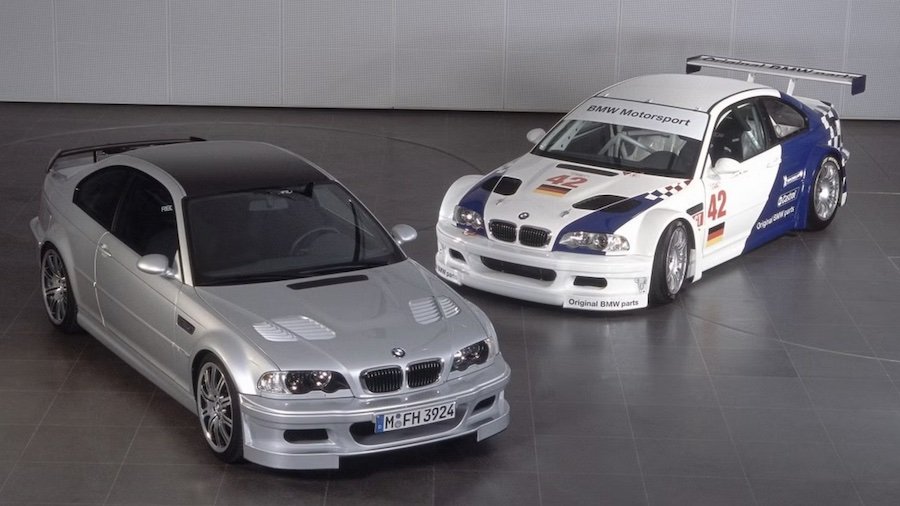
The model became really famous four years later by appearing in the Need For Speed: Most Wanted video game, but the car has nearly always been unobtanium. Now Tom Plucinsky, head of BMW Classic USA, is walking us through the ins and outs of one of these beasts, which goes on display as part of a BMW exhibition at The Petersen Automotive Museum.
Small Bodywork Changes Hide Massive Under-Skin Upgrades
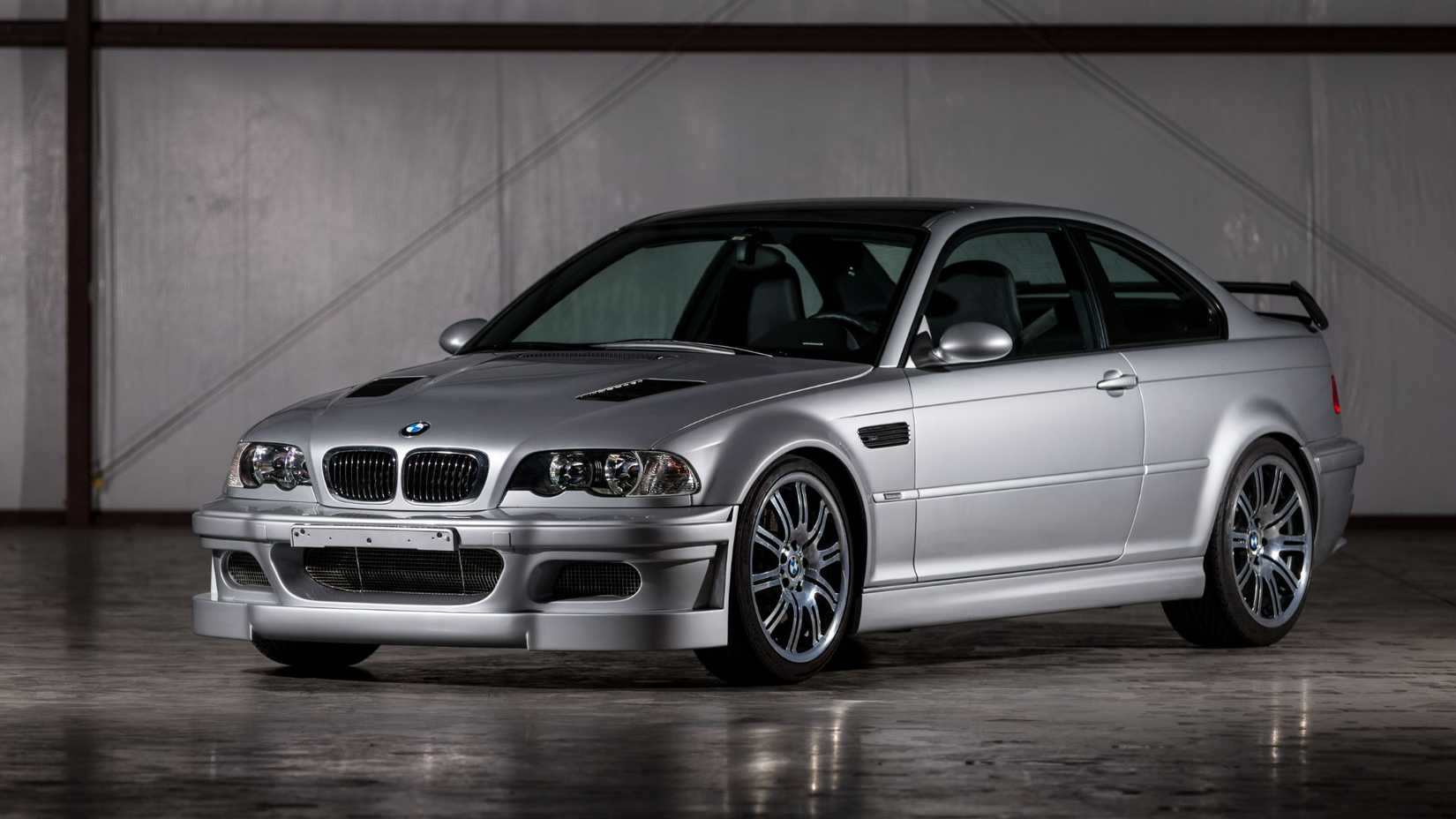
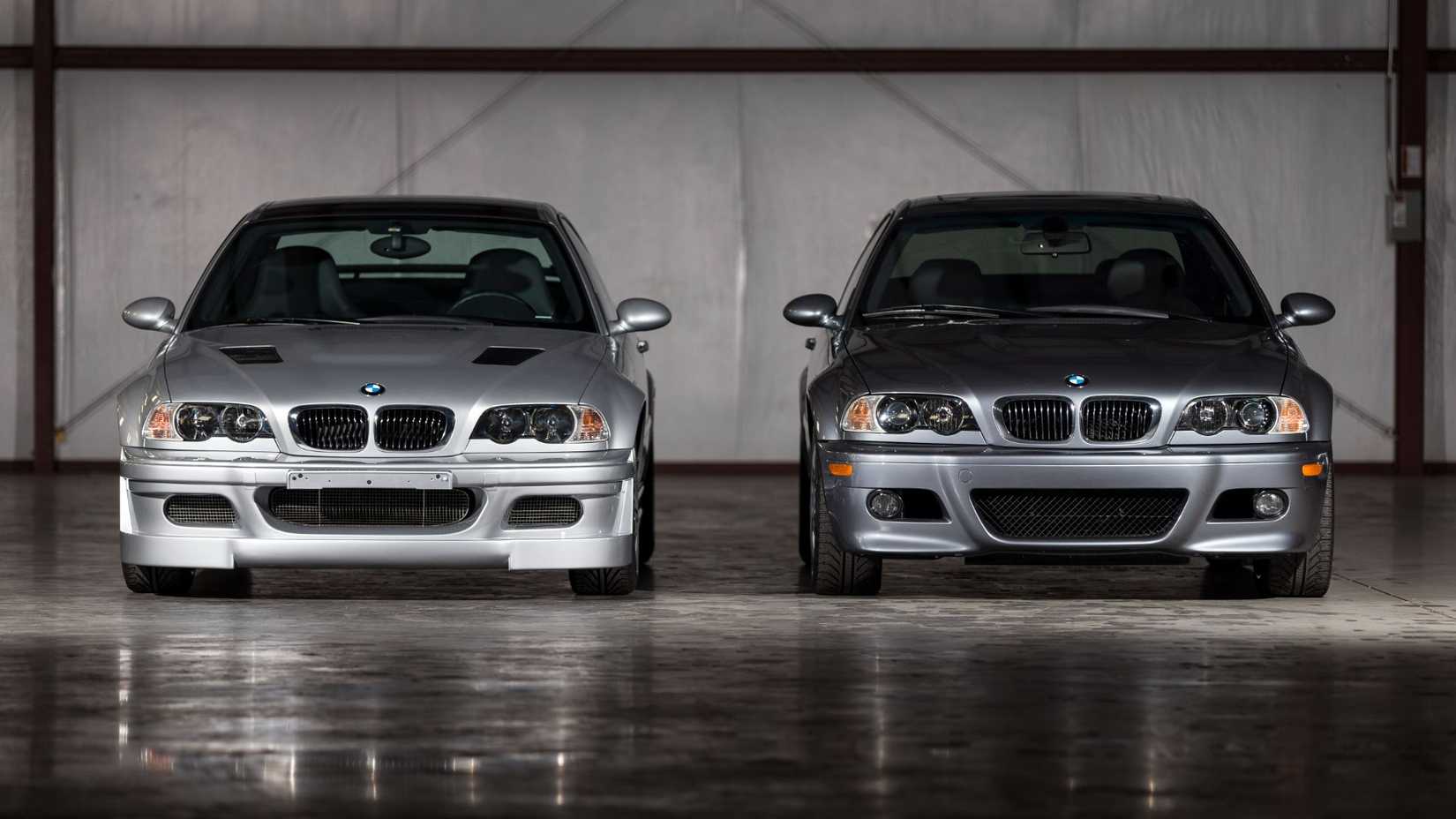
This most monstrous of E46s is shockingly subtle. Next to the standard version, even the M3, it's easy to miss the differences. If you don't know your M cars, you might not notice any changes. Or you might think that it's just a version someone modified at the time.
On the outside, the changes start with an extended front bumper designed to be more capable as a race car.
The E46's S54 engine was the last in a long line of evolutions of the S50. The 3.2-liter I6 made 333 horsepower and 262 pound-feet of torque in the United States. Even in racing spec, it couldn't produce enough power to keep up, so BMW wanted a V8.
Of course, at that point, BMW didn't offer a V8 in the M3 chassis. As Plucinsky describes, the company reached out to the various sanctioning bodies and requested a waiver. Since one of the brand's major competitors had already gotten one, BMW's request received approval. The deal was, though, that it needed to hit homologation requirements. The regulations meant the model had to be available for sale on three continents. BMW needed to sell "a few," had to include the parts in the catalog, and had to sell the model at a real MSRP. A few meant BMW built 10 of them. Only three were offered for actual sale, and the other seven were "repurposed," so they didn't make it to customers.
The V8 was called the P60. It was more compact and 30 pounds lighter than the M3's I6. It also used a dry sump oiling system to keep the engine lubricated during hard cornering, and the powerplant featured a flat-plane crankshaft. The racer made 444 horsepower, and the "street car" made 350. The model got a six-speed stick and had a variable-locking M differential in the back.
Because BMW didn't plan to build more than a few, and because the company needed to build a race car, the V8-powered M3 had numerous upgrades that might not be expected. Each of the three cars had different hood vents, for example. They were also a lot lower than the standard E46 M3. A big rear wing, rear diffuser, and vents that looked hand-cut were also part of the package.
It had a carbon-fiber roof, extensive lightweighting, and an FIA-certified bucket seat. Each of the three had different seats, too, because again, BMW was just throwing them together to go racing.
How did it do on track? The racer only got a single season before the rules changed again. It had two wins in six races, including the Petit Le Mans in 2001, but that was it. For 2002, BMW would have had to build 100 cars and 1,000 engines. It couldn't do it and moved on in the racing world. However, some were raced in less restrictive events such as the Nürburgring 24 Hours.
Watch and learn about this cool car below. If you want to see one in person, you need to head down to the Petersen Automotive Museum in Los Angeles, California, before December. The exhibit runs through July 2026, but this car could be headed back to Munich before the end of the year.
Nouvelles connexes
