Porsche 912 buying guide: history, problems and what to pay
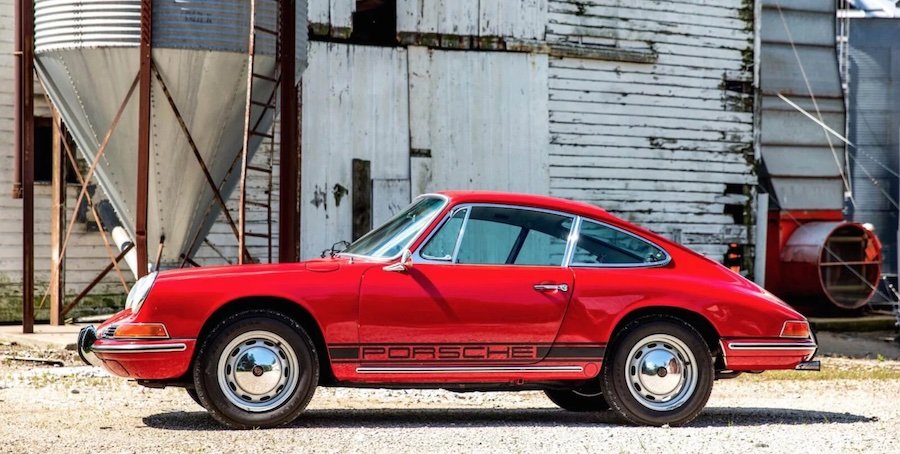
Porsche 912 at a glance
- Built 1965-1969 (912); 1975-1976 (912E, US market only)
- Body styles Coupé; Targa from 1967
- Engines 1.6-litre pushrod flat-four (90bhp); 2.0-litre fuel-injected flat-four in the 912E (86bhp)
- Gearboxes Four-speed manual; optional five-speed
- Production Around 32,500 912s, plus 2092 912Es
- Most desirable Short-wheelbase soft-window Targa; right-hand-drive Coupés
- Best value 1969 long-wheelbase Coupé or 912E
- Key checks Structural corrosion, quality of engine rebuild, originality of trim
- Values (2026)
History of the Porsche 912
The Porsche 912 spent decades in the shadow of the 911, but that rather misses the point of the car. Conceived as a more affordable bridge between the outgoing 356 and the new, considerably more expensive 911, it combined the familiar four-cylinder engine of the former with the modern bodyshell of the latter. The formula proved remarkably successful: early on, the 912 outsold the 911 by around two to one, demonstrating just how much demand there was for a less expensive Porsche with the looks and much of the poise of the new six-cylinder model.
Production began in April 1965, and the original 912 used a 1.6-litre pushrod flat-four derived from the 356, breathing through twin Solex carburettors and producing 90bhp. It was tuned for useful mid-range torque and, although the 912 was heavier than the 356 and gave away a little power, its better aerodynamics and the closely stacked ratios of the optional five-speed gearbox meant performance remained respectable. A four-speed manual was standard, with the close-ratio five-speed the more sporting choice.
The appeal was never simply about straight-line speed. With less weight hanging behind the rear axle than in the six-cylinder 911, the 912 had a delicate balance of its own, and that remains central to its appeal today. It shared much of the early 911’s suspension and came with solid disc brakes all round, giving it the fundamentals of a genuine Porsche sports car even if its performance figures were comparatively modest. The 1.6-litre car was quoted at 119mph, with 0-60mph taking 11.6 seconds.
Porsche kept the cabin simpler than the contemporary 911’s, omitting some of the more luxurious trim and fittings. The earliest cars were particularly austere, with body-coloured dashboards, three-gauge instrument clusters and little decorative trim. From 1966 the dashboard was finished in black, while five-gauge instrumentation appeared later in production. Some early switchgear was carried over from the 356, underlining the 912’s position between Porsche’s old and new generations.
The range broadened in 1967 when the Targa joined the Coupé. The open-roof cars are rarer and consequently tend to command more than an equivalent Coupé, with the early soft-window Targas the most prized. For 1969 Porsche lengthened the wheelbase by 57mm to improve the handling, and that year proved to be the last for the original 912. Around 30,000 Coupés and 2500 Targas were built in total, and the short-wheelbase cars of either body style have since become particularly sought after.
That was not quite the end of the story. Porsche revived the name in 1975 for the US-market 912E, a lower-priced model to fill the gap between the end of the 914 and the arrival of the front-engined 924. This time the 912 used the fuel-injected 2.0-litre Volkswagen-derived flat-four from the 914, producing 86bhp. Outright performance was little better than that of the earlier 1.6, but the 912E sat on the galvanised G-series 911 bodyshell and remains an appealing and relatively approachable way into an air-cooled Porsche. Production ran from May 1975 to July 1976, and just 2092 were built.
Which Porsche 912 should you buy?
For many years the 912 was largely ignored as buyers concentrated on six-cylinder 911s. Values stayed low, tired cars were neglected and some were broken for parts. That history matters when buying today, because a smart coat of paint can hide a great deal of past indifference. As enthusiasm for air-cooled Porsches grew through the 2010s, the 912 was swept along with it, and prices climbed again after the pandemic before settling.
The result is that the 912 can no longer be regarded simply as a budget 911. Early 1.6-litre Coupés are the most common examples in the UK and generally the most accessible route into ownership, while Targas and short-wheelbase cars carry greater appeal. Right-hand-drive cars are rare and command a premium. Some US-market 912Es have also made their way to Europe, all in left-hand drive, and their 2.0-litre fuel-injected engines and galvanised bodies make them worth considering for buyers who want a later car in standard specification. Originality is increasingly important, although sympathetic engine and suspension upgrades need not be a concern if they have been carried out properly.
Porsche 912 common problems
Bodywork
- Corrosion is the biggest potential financial threat. Except for the 912E, the bodyshell was not galvanised, so a thorough structural inspection is essential before purchase, particularly on cars that have already undergone cosmetic restoration.
- Pay close attention to the underside, sills, footwells, headlight surrounds and window frames. Rust repairs can become extremely expensive, and replacement panels are costly enough to make a badly corroded project uneconomic.
- The 912E has a galvanised bodyshell, but it is now half a century old. Galvanising is no reason to skip a proper inspection.
Engine: 1.6-litre
- The pushrod flat-four is fundamentally robust and has few inherent weaknesses, but most engines have been rebuilt by now. Evidence of the quality and extent of that work matters more than mileage alone.
- Original Solex carburettors have often been replaced with Webers. This is a common modification and need not be a drawback, but buyers prioritising originality should confirm exactly what is fitted, and ask for any original components.
- Oil level and oil pressure gauges were not standard on the 912, so regular manual checks are particularly important. Poor lubrication causes serious damage, and evidence of conscientious servicing is reassuring.
Engine: 912E 2.0-litre
- The 2.0-litre engine is a relatively simple Volkswagen-derived design, and its Bosch L-Jetronic fuel injection is largely trouble-free. Even so, age-related fuel-system and electrical faults should be investigated carefully.
Transmission, suspension and brakes
- Both the standard four-speed and optional close-ratio five-speed gearboxes are durable, helped by the modest torque of the four-cylinder engines. Worn synchromesh and vague or sloppy shifts are the more common high-mileage complaints.
- The suspension is closely related to that of the early 911. Tired dampers, springs or bushes can leave the car feeling floaty over bumps, so a loose or imprecise chassis is a sign that refurbishment is due.
- Solid disc brakes were standard and are adequate for normal road use. Some cars have been upgraded with ventilated 911 brakes or aftermarket components, so check that any conversion has been engineered and installed properly.
Interior and trim
- The 912’s relatively simple interior can be deceptively expensive to put right. Certain trim pieces are hard to source, making a complete cabin with its original fittings, fabrics and seat coverings considerably more desirable.
- Refurbished interiors are common, but original material is notably hard-wearing and can add to a car’s appeal. Early cars should have the correct simpler trim and instrumentation, so check that the cabin matches the model year.
Originality and inspection
- Many 912s were modified during the decades when values were low. Sensible engine and suspension upgrades need not be a problem, but originality is increasingly valuable and heavily altered cars should be checked especially carefully.
- A professional pre-purchase inspection is particularly worthwhile. Years of low values mean some superficially pristine cars hide old corrosion, poor repairs or deferred mechanical work beneath newer paint and trim.
Porsche 912 values: what to pay
The 912 market has cooled from its post-pandemic high but remains well above where it sat a decade ago, and the gap between what cars are advertised for and what they actually change hands for is wide. UK dealers are currently asking £55,000-65,000 for good 1.6 Coupés and £60,000-80,000 for Targas, with a soft-window car advertised at just under £80,000. Auction evidence is more modest: across more than 80 sales in the US over the past year, the typical 912 made around $52,000, or roughly £39,000, with the middle of the market between about £27,500 and £49,000. Hagerty’s UK price guide puts a 1.6 Coupé at £39,700 in good condition and £52,000 in excellent condition, rising to £85,600 for a concours car.
Right-hand-drive cars sit at the top of the market, reflecting how few were built: a restored 1965 Coupé, one of the first three right-hand-drive cars imported and a former Porsche demonstrator, made £76,964 at The Market in 2024. The 912E has historically been the cheapest way in, but the gap to the 1969 cars has narrowed; expect to pay £30,000-35,000 for a good example, though all are left-hand drive.
| ersion | Fair | Good | Excellent |
|---|---|---|---|
| 912 Coupé, long wheelbase (1969) | £28,000 | £40,000 | £55,000 |
| 912 Coupé, short wheelbase (1965-68) | £30,000 | £45,000 | £65,000 |
| 912 Targa | £32,000 | £48,000 | £75,000 |
| 912E (left-hand drive) | £22,000 | £32,000 | £45,000 |
Values correct as of September 2026, based on recent UK and international auction results, UK dealer asking prices and the Hagerty UK price guide. Right-hand-drive cars and concours examples can exceed these figures.
Whatever the version, structural condition and the quality of previous restoration work matter more than a superficially smart finish. A more expensive, properly sorted car can quickly prove better value than a cheaper example that needs major corrosion repairs.
Noticias relacionadas
