6 photos
1969' Aston Martin DB6
Report This Ad!Rate This!Bookmark This
NegotiablePublished 29 December 2025ID: RrqMRs
Expired
9 months, 3 weeks ago
9 months, 3 weeks ago
Information from the owner
Body: Convertible
Age: 56 years
Mileage: 17312 km
Displacement: 3995 cc
Fuel: Petrol
Transmission: Automatic
Exterior color: Blue
Seller's comments about 1969' Aston Martin DB6
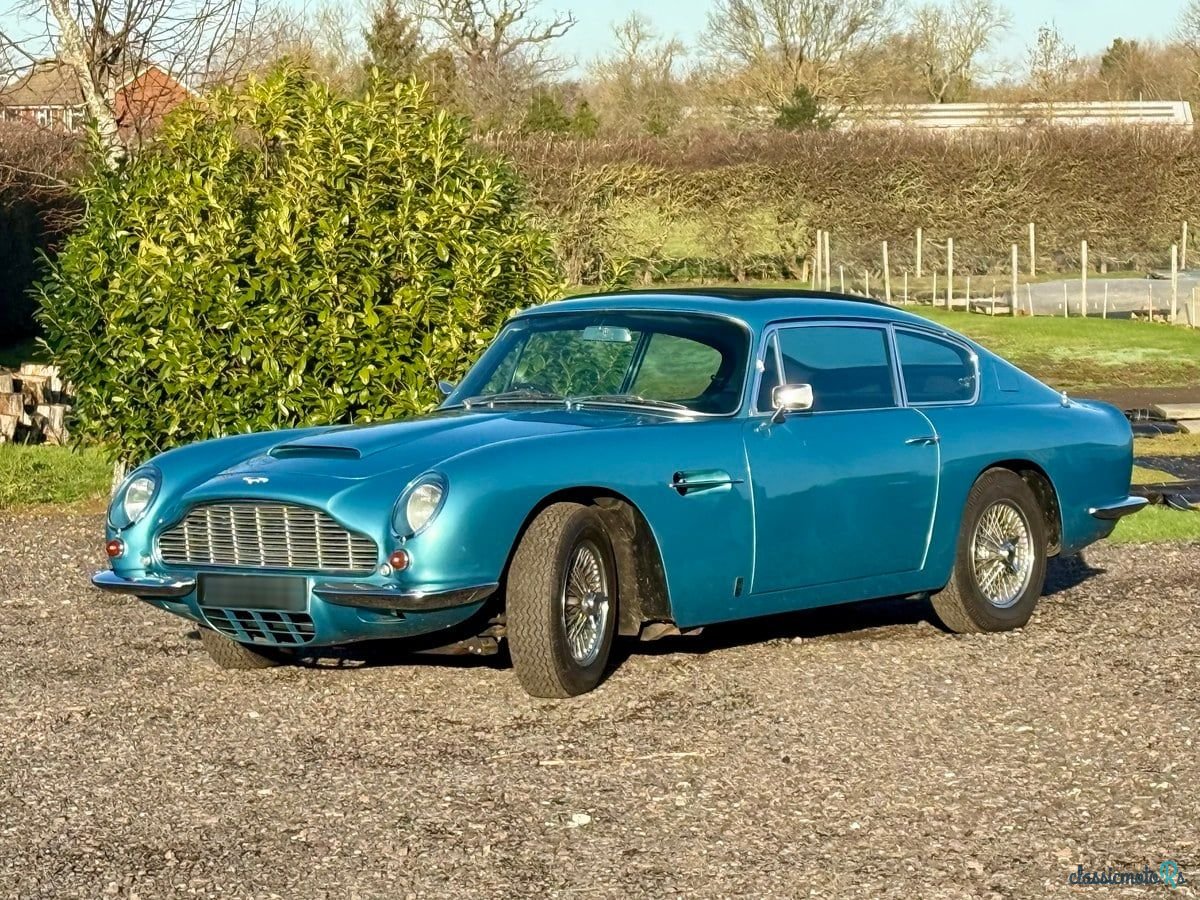
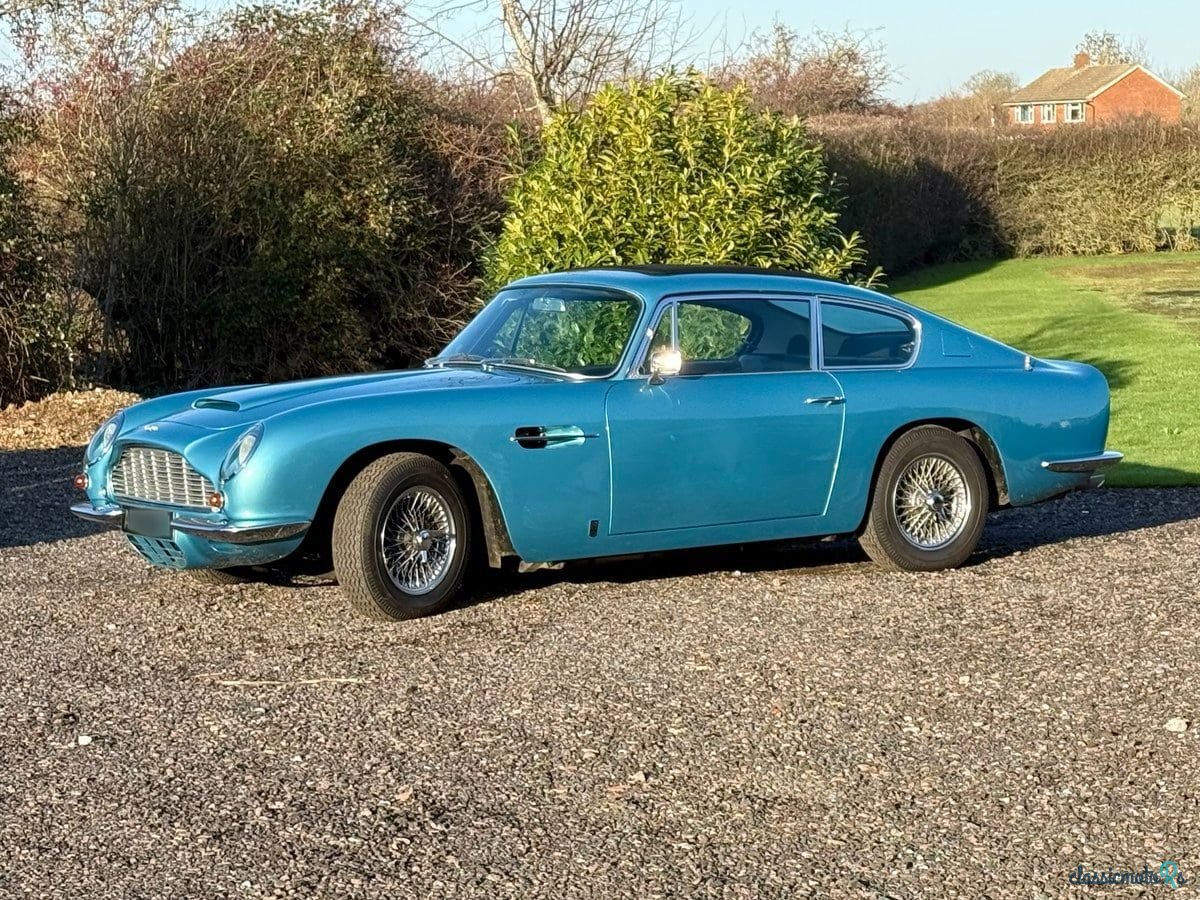
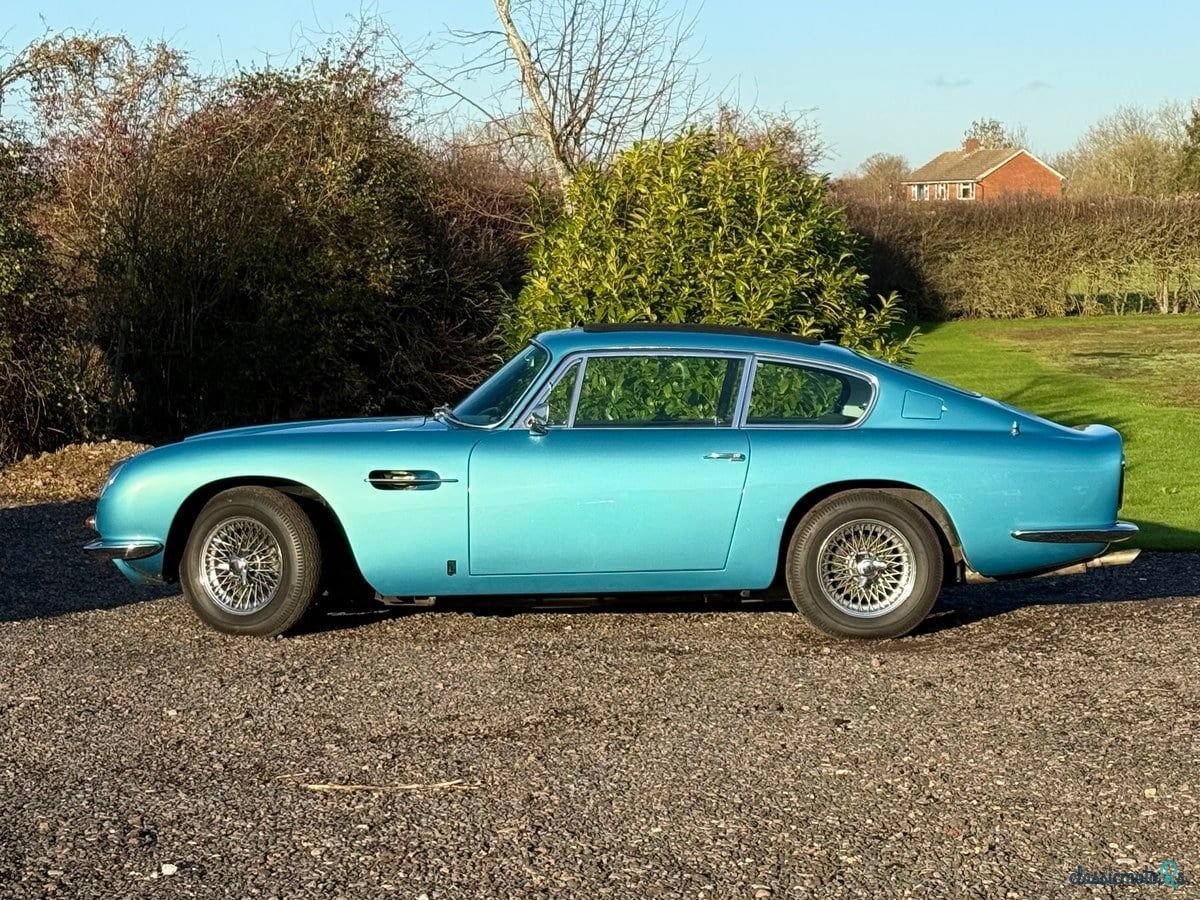
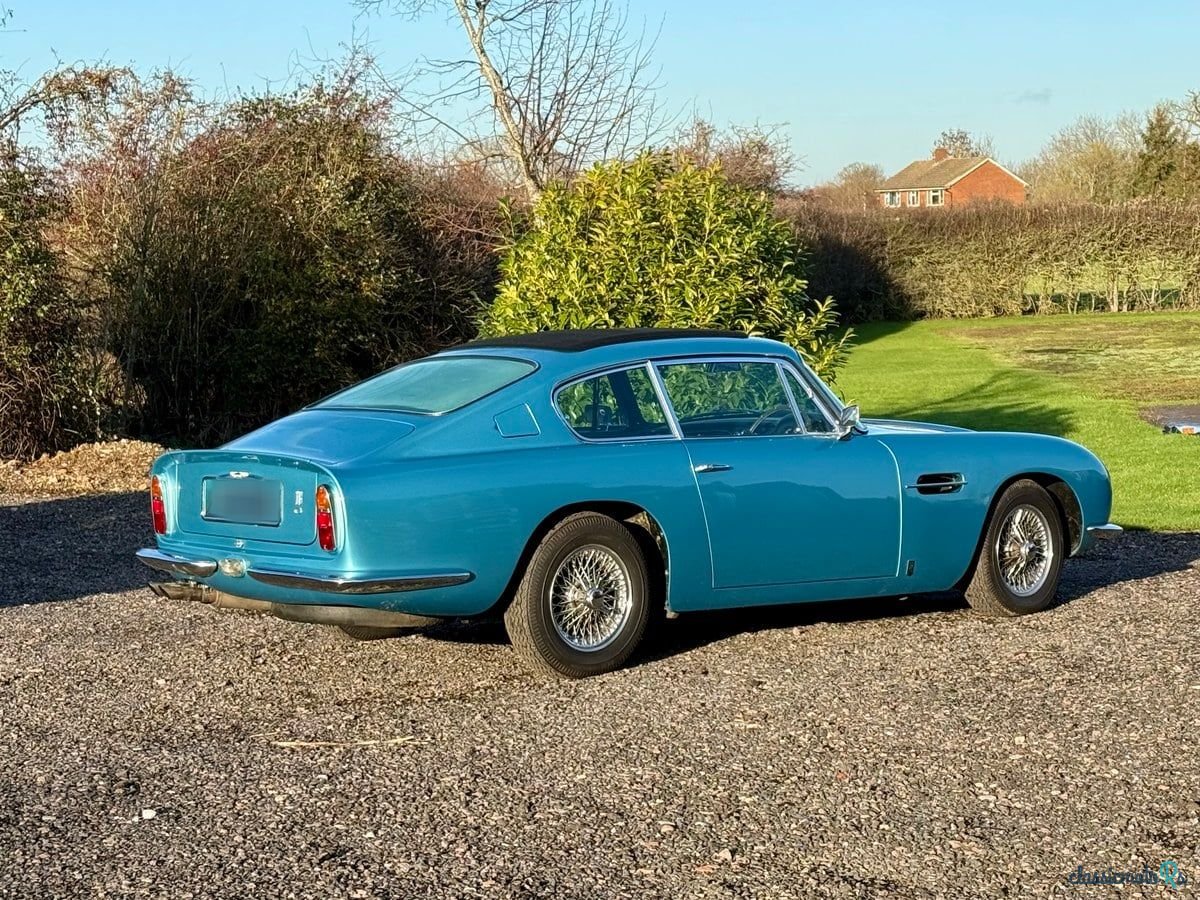
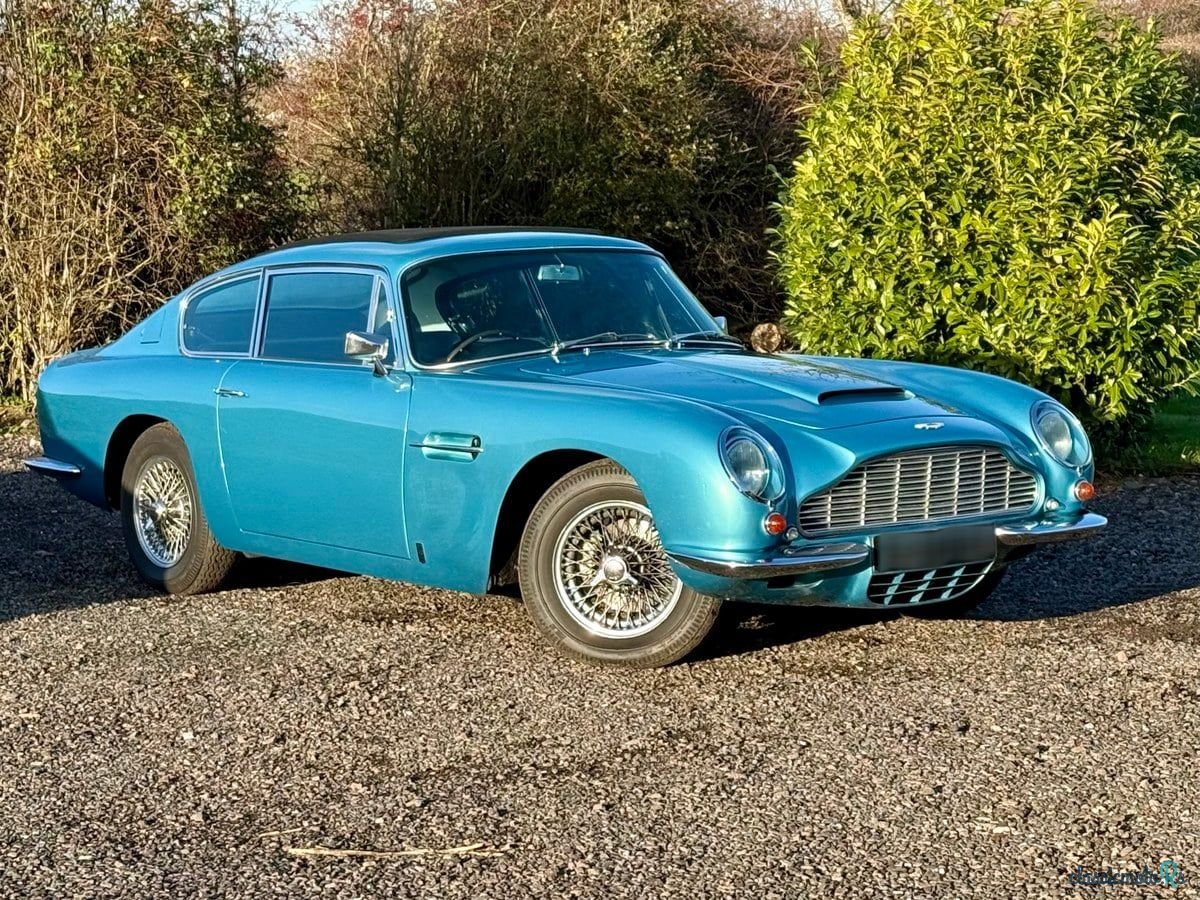
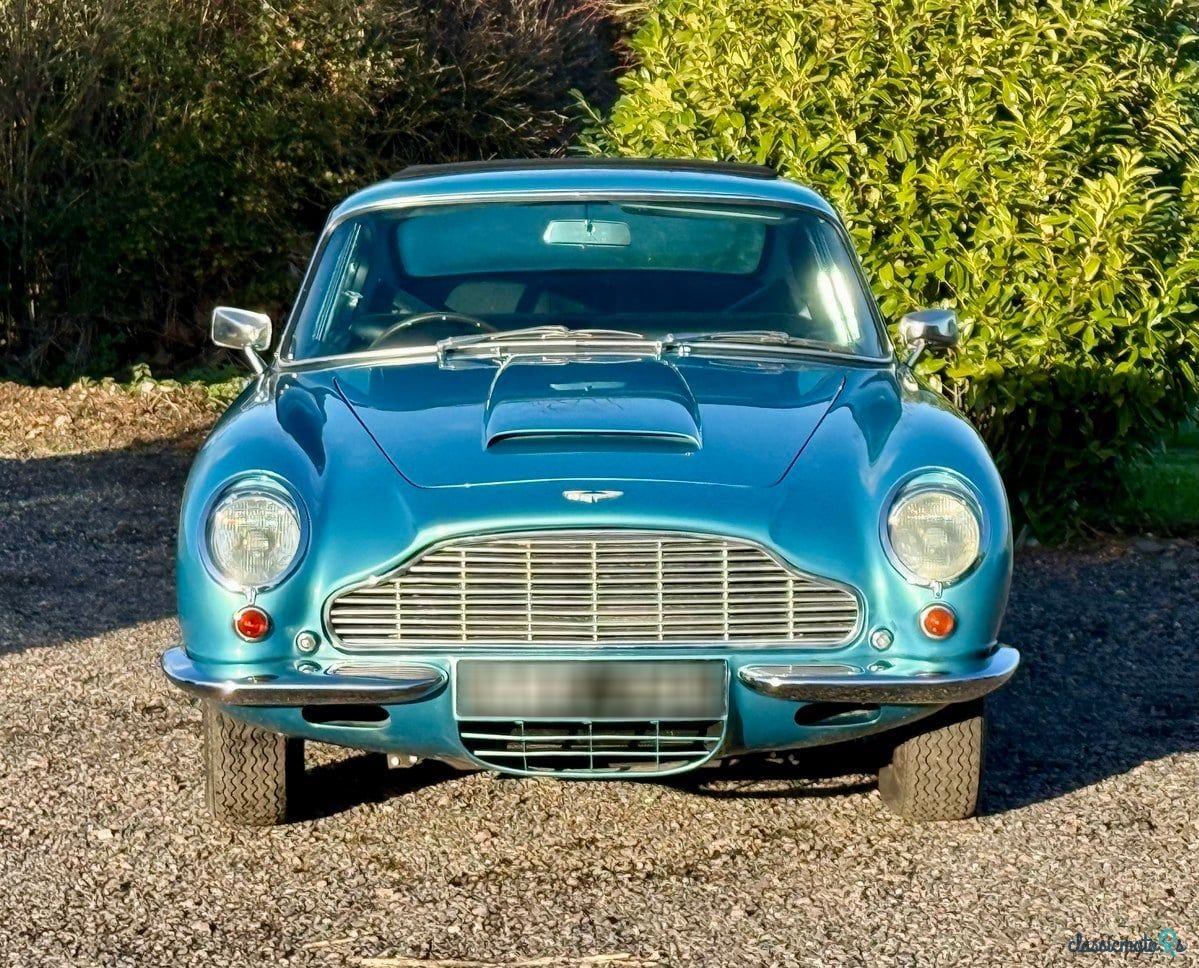
The Aston Martin DB6 is one of the most elegant and historically important grand tourers of the 1960s, representing the peak of Aston Martin’s classic “DB” lineage before the company moved into a new design era.Origins and DevelopmentThe DB6 was introduced in 1965 as the successor to the highly successful DB5, which had already achieved global fame thanks to its association with James Bond. While the DB6 looked similar at first glance, it was a more mature, refined, and practical evolution rather than a radical redesign.Aston Martin’s goal was to improve:High-speed stabilityPassenger comfortLong-distance touring capabilityThese priorities reflected the DB6’s role as a true Grand Tourer, designed for fast continental travel rather than outright racing.Design and EngineeringExteriorStyled by Carrozzeria Touring of MilanRetained the DB5’s proportions but with a longer wheelbaseIntroduced the distinctive “Kamm tail” (cut-off rear)Improved aerodynamic stability at high speedsReduced rear-end lift, a known issue on earlier DB modelsInteriorMore spacious rear seating than the DB5Improved ventilation and comfortHigh levels of hand-crafted luxury: leather, wool carpets, walnut trimMechanical SpecificationsEngine: 4. 0-liter inline-sixOutput: ~282 bhp (standard), ~325 bhp (Vantage)Top speed: ~150 mph (Vantage models)Transmission:5-speed ZF manualOptional Borg-Warner automaticVariantsDB6 (1965–1969)The standard modelFocused on comfort and refinementDB6 VantageHigher compression engineTriple Weber carburetorsMore performance-focused and rarerDB6 Volante (Convertible)Produced from 1966One of the most elegant open-top GTs of its eraFar rarer than the coupeDB6 vs Mark IIDB6 (1965–1969): Original designMark II (1969–1970):Wider wheelsFlared wheel archesOptional fuel injectionBuilt in smaller numbersCultural and Historical SignificanceUnlike the DB5, the DB6 never officially appeared in a James Bond filmHowever, it became a favourite among royalty, industrialists, and celebritiesFamously owned by Sir Paul McCartney, whose DB6 gained legendary status after a psychedelic paint job in the late 1960sThe DB6 marked the end of the Touring-bodied DB era. Its successor, the DBS, signalled a shift toward a more modern, angular design language.Legacy and CollectabilityToday, the Aston Martin DB6 is prized for:Its understated elegance compared to the DB5Superior driving comfortClassic British craftsmanshipCollectors often view it as:More usable than the DB5Slightly less famous, but arguably more refinedA purist’s choice among classic Aston MartinsIn SummaryThe Aston Martin DB6 represents:The culmination of Aston Martin’s classic 1960s grand touring philosophyA bridge between old-world craftsmanship and modern performance thinkingOne of the finest expressions of British automotive elegance ever builtThis CarThis 1969 Aston Martin DB6 was one of the last batch of cars built before the DB6 MKII was launched. Sold new by HR Owen in London and order in Silver Birch with Black trim, ther extras order at the time were:Borg Warner Automatic TransmissionAir ConditioningPower SteeringImmersion HeaterFront Seat BeltsChrome wire WheelsHeated Raer ScreenThree eared Wheel SpinnersLimited Slip Diff 3. 54:1Power AerialWhite Wall TyresThe car was fitted with a Tudor/ Webasto sunroof in period.DB6/ 4070/ R was Purchased by the current owner in 2006 and has been subject to a full stage by stage refurbishment with the following work carried out by known Aston Martin specialist:New inner and outer side sillsNew front end and wingsTotal bare metal repaint in Caribbean Blue by Colbrook LtdNew sunroofEngine block welded by RS Williams and engine re-built to standard 4. 0 litre specification by Chris Woodgate in 2013Gearbox overhaul by Chris WoodgateRefurbished oil cooler and coolant radiator and heater radiatorAll new suspension and BrakesNew Avon TyresAll chrome work by Darby platingThe list continues and all in keeping with the correct Aston Martin methods and specification.A great driver's car and pretty a car not to worry about and accepted in any motoring event.