6 photos
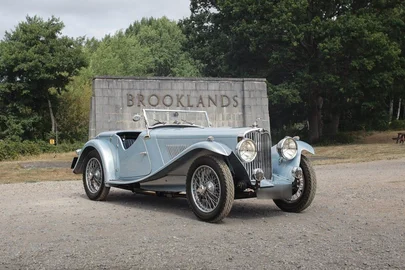
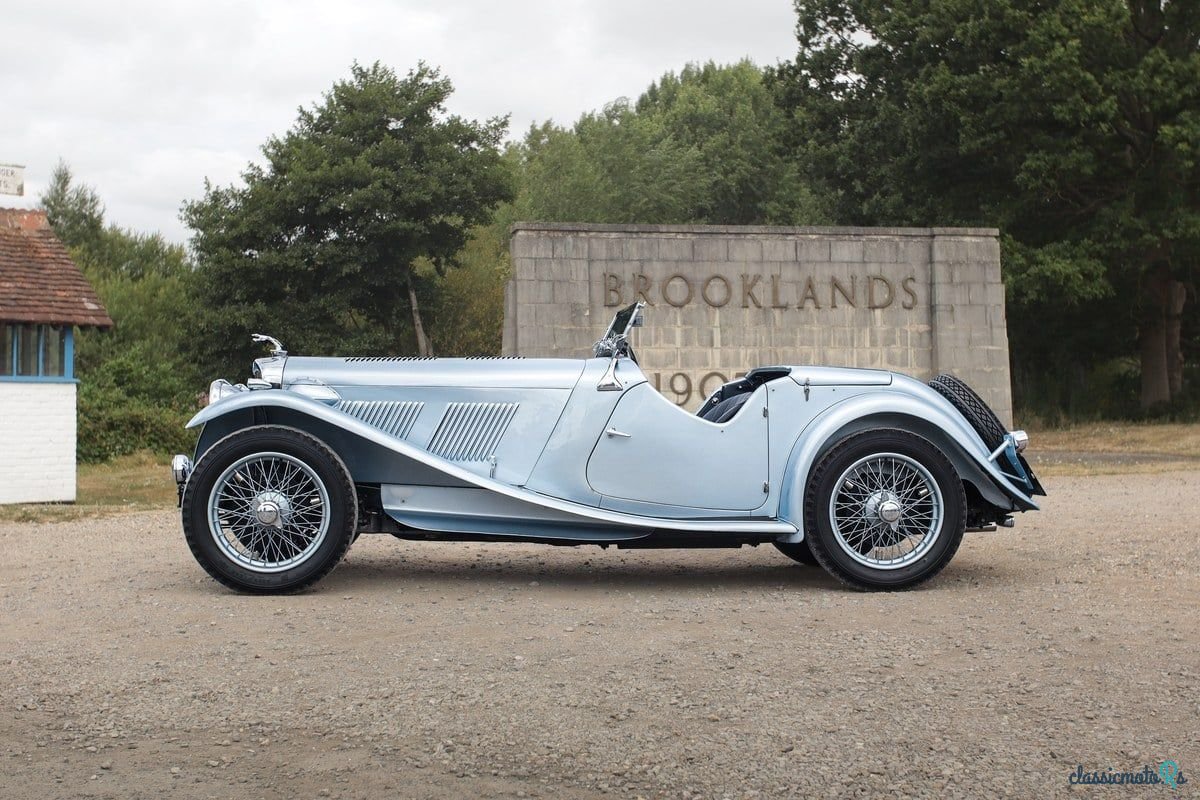
1939' AC 16/90
Report This Ad!Rate This!Bookmark This
NegotiablePublished 12 August 2026ID: XiSjrq
- Brooklands Cars Ltd
- Surrey
- +44Show phone
Information from the owner
Body: Sports Car
Age: 87 years
Displacement: 2192 cc
Fuel: Petrol
Transmission: Manual
Exterior color: Blue
Seller's comments about 1939' AC 16/90
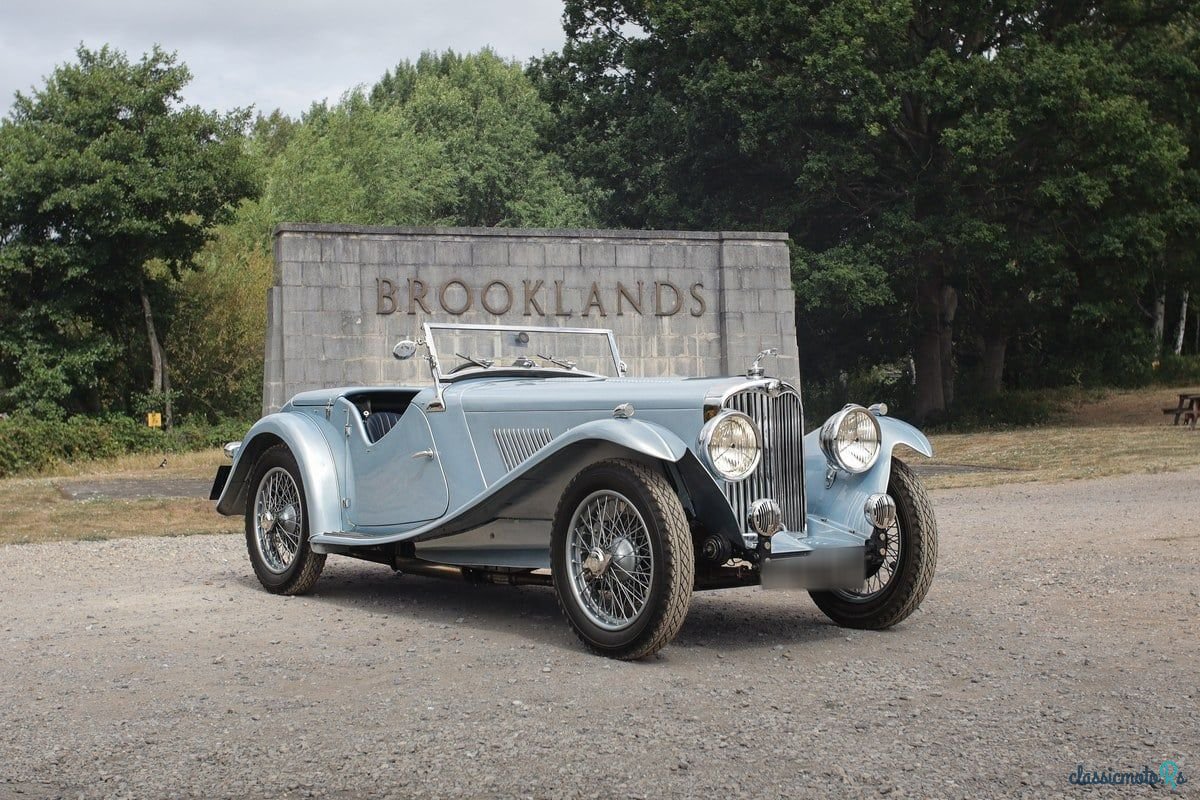
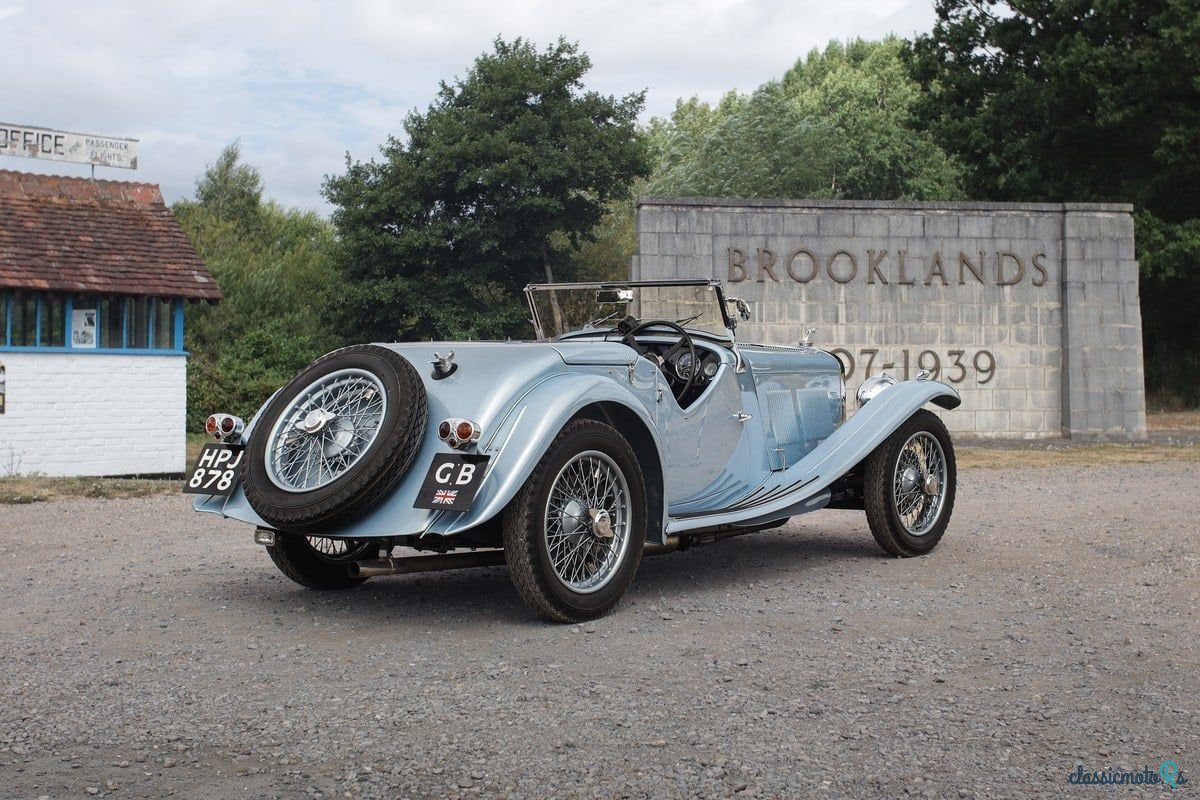
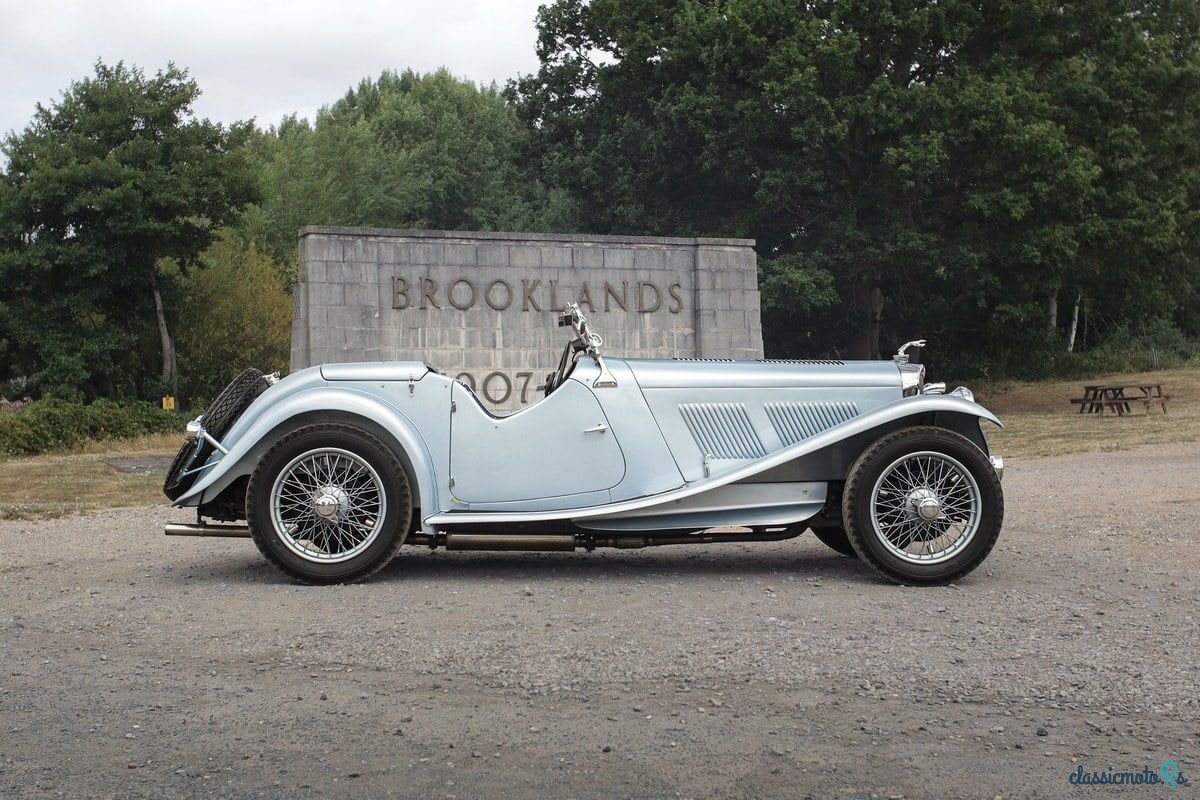
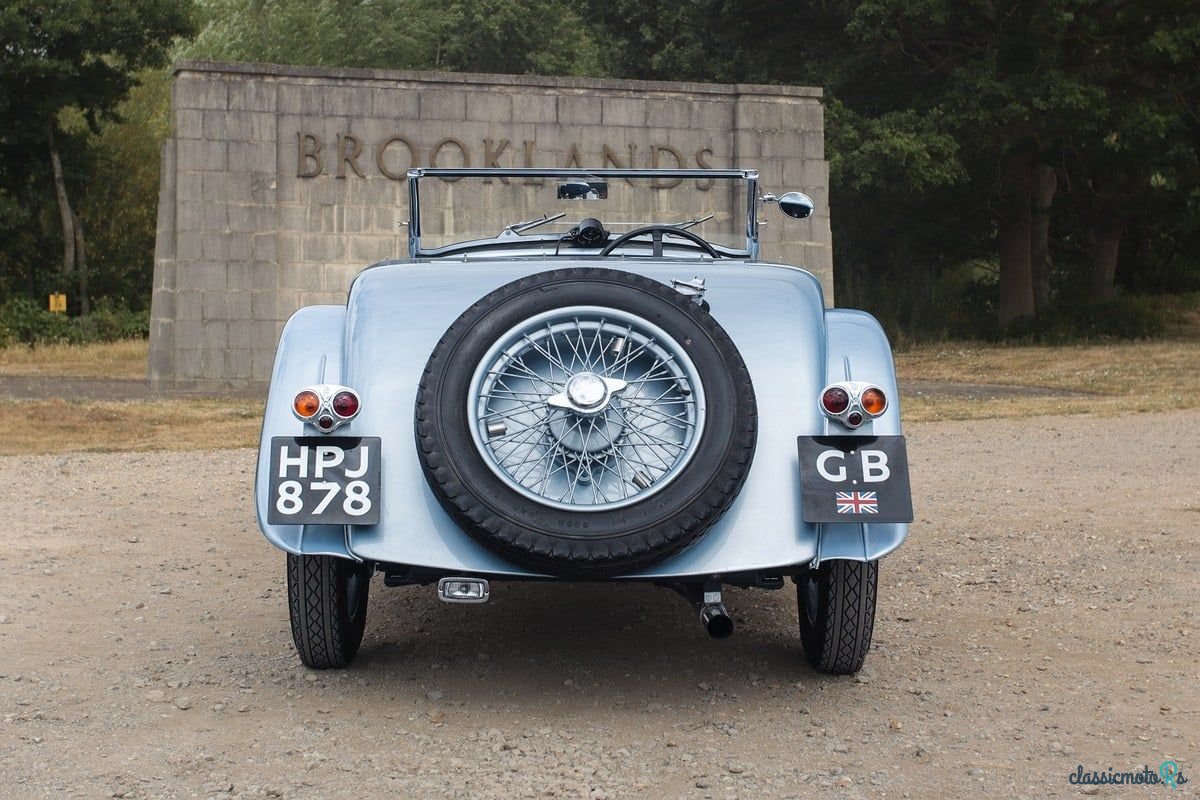
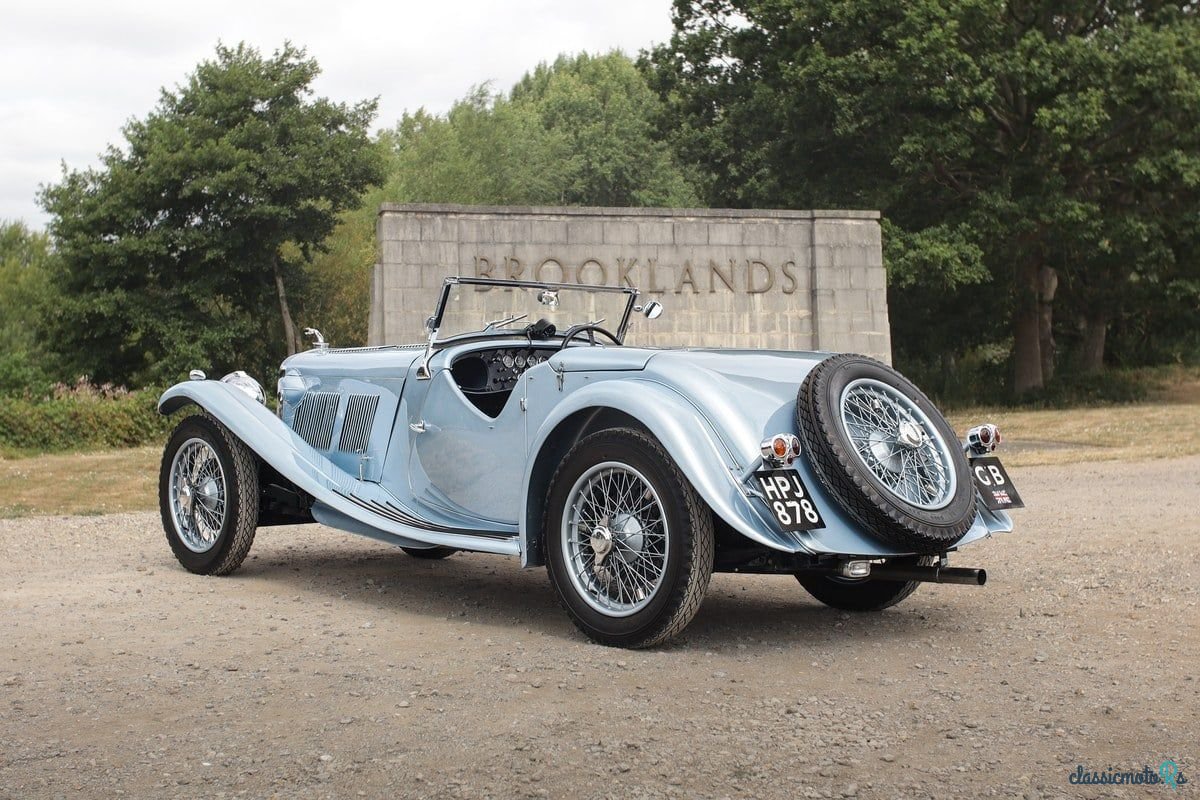
1939 AC 16/ 90 ‘Competition Sports’ SuperchargedHaving abandoned plans to produce a 20hp touring car, John Weller turned his considerable design talents to something more mundane – a three-wheeled commercial delivery vehicle. Introduced in 1904, the Auto-Carrier was an immediate success and a passenger version – the Sociable – followed in 1907, at which time the company name was abbreviated to ‘AC’. The firm’s first four-cylinder car arrived in 1913 and fours would be catalogued until 1928, thereafter the company offered sixes only.AC’s famous Weller-designed overhead-camshaft six entered production in 1922, by which time Weller and his financial backer John Portwine had been ousted by new owner S F Edge. A prominent racing driver of the Edwardian era, Edge believed fervently in the publicity value of competition successes and pursued this policy enthusiastically during his stewardship of AC. In 1922 an AC became the first 1, 500cc car to cover the mile at over 100mph and in 1926 the marque’s place in motoring history was assured when a 2. 0-litre model became the first British car to win the Monte Carlo Rally.Financial difficulties saw AC taken over by the Hurlock brothers in 1930 and from then on the firm concentrated on sporting cars aimed at the discerning enthusiast. Successful motor dealers, the Hurlocks had bought AC as a means of expanding their existing business and only restarted the manufacturing side in response to customer demand. The marque’s reputation for producing well-engineered and equally well-finished cars continued under the Hurlocks’ ownership, enabling AC to prosper despite the higher asking prices that these exemplary standards necessitated.An improved, under-slung chassis of 9’ 7” wheelbase was adopted for AC’s 1934 range, which was first displayed at the London Motor Show in October 1933. By 1935 a flat radiator with mesh grille had replaced the previous rounded type, only to be superseded for the following season by the classic slatted version. A synchromesh gearbox was standard by this time, while other noteworthy features included automatic chassis lubrication, built-in jacks and Telecontrol shock absorbers, all of which were incorporated in the 16/ 60hp and 16/ 70hp models launched in 1936.Also in the range at this time was the 16/ 80hp Competition model, an entirely new sports two-seater that had first appeared publicly at the 1935 London Motor Show. Weller’s 2. 0-litre six was installed in a short-wheelbase chassis, under-slung at the rear and equipped with a Moss remote-change synchromesh gearbox and Bendix self-energising mechanical brakes. Topped off by a supremely handsome roadster body, the 16/ 80 combined gorgeous looks with excellent handling and a 90mph maximum speed. Only 28 were constructed before a mildly restyled version arrived for 1937.At the 1938 Motor Show an example was exhibited fitted with an Arnott supercharger, which added £35 to the price, and this 16/ 90hp model remained available until AC ceased car production in 1939.One of only a tiny handful of its type made, of which it is believed only three survive, chassis number ‘L662’ carried the Surrey registration ‘HPJ 878’ and was sold new in April 1939 to Michael B Thomson of Birmingham.It was subsequently sold to Miss Betty Haigh of Bury Gate, Sussex, who is perhaps best remembered for her 2-Litre Class win in the 1946 Alpine Trial driving an AC 16/ 80, ‘EPJ 101’. The accompanying continuation logbook, issued in 1952, records the owner at that time as Alexander Bruce Ritchie of Dundee, who had acquired the AC in September 1949, followed by musician David Tarbet Phin from 1957.Mr Phin is said to have used the car to transport his double bass to and from engagements, and the logbook records no fewer than five different addresses for him over the succeeding five years, the last entry being stamped in June 1962.In August 1963, ‘HPJ 878’ was purchased from Eversfield Garage of St Leonards-on-Sea, East Sussex by Dr Arthur Holmes Pickering for the princely sum of £15, with the original purchase receipt remaining on file. Importantly, the car’s status as one of the exceptionally rare supercharged examples was evidenced by the boost gauge fitted to the dashboard.The AC remained carefully stored for many years, during which time numerous parts were accumulated for its eventual restoration, including components sourced directly from the AC factory at Thames Ditton.A comprehensive restoration was subsequently undertaken by respected specialists Bruce and Jim Young between 1997 and 2005, with the mechanical work entrusted to Tim Abbott. Considerable care was taken throughout the process to preserve the character and integrity of this exceptionally rare AC.The bodywork was carefully restored, retaining the car’s distinctive sporting lines and period details, while the original steel wings and splash deflectors were restored. A complete interior retrim was undertaken by Graham Williams, who also made and fitted a new hood, hood bag and side screens. An extensive collection of invoices relating to the restoration remains on file.More recently, the AC has benefited from a comprehensive programme of mechanical recommissioning by 96 Engineering. Works included inspection and servicing of the engine, attention to the bearings, sump and sealing arrangements, cylinder head work, bore and liner checks, and careful reassembly. The supercharger was refitted with new belts and gaskets, while further attention included the clutch, valve gear, inlet and exhaust systems, dynamo, oil filtration, cooling system and fuel system. The throttle and advance/ retard linkages were also correctly set up before the car was road tested and the carburettor tuned, leaving this exceptionally rare AC properly recommissioned and ready for use.Shortly after completion of its earlier restoration, ‘HPJ 878’ received the ultimate accolade when it was invited to attend the inaugural Concours of Elegance at Windsor Castle in the presence of HM The Queen, joining approximately 60 of the world’s finest motor cars within the Castle’s Quadrangle. The accompanying history file includes the original letter of invitation.Today, chassis ‘L662’ represents an exceptionally rare surviving example of AC’s pre-war Competition sports car and, as one of only a tiny number believed to survive in supercharged specification, occupies a particularly important position in the history of the marque. Its fascinating provenance, association with noted competition driver Betty Haigh, extensive documentary history, appearance at the inaugural Windsor Castle Concours of Elegance and recent mechanical recommissioning combine to make ‘HPJ 878’ a particularly significant pre-war AC.To find out more about this vehicle please contact our sales team for further details, viewing by prior appointment. Also advertised through our AC HERITAGE brand.