6 photos
1971' Jaguar E-Type
Report This Ad!Rate This!Bookmark This
£70,000Published 17 August 2026ID: W7QAJv
- Harrison & Hardwick
- Surrey
- +44Show phone
Information from the owner
Body: Sports Car
Age: 55 years
Mileage: 14000 km
Displacement: 5344 cc
Fuel: Petrol
Transmission: Manual
Exterior color: White
Seller's comments about 1971' Jaguar E-Type
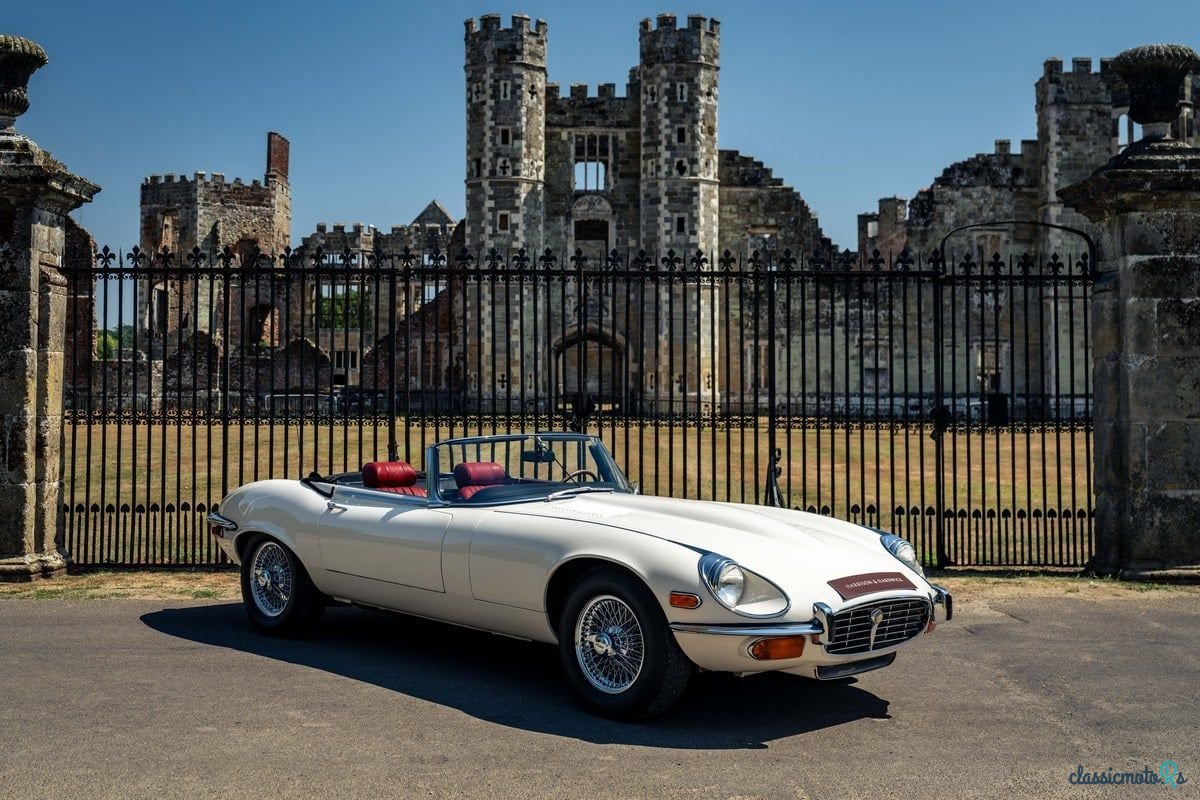
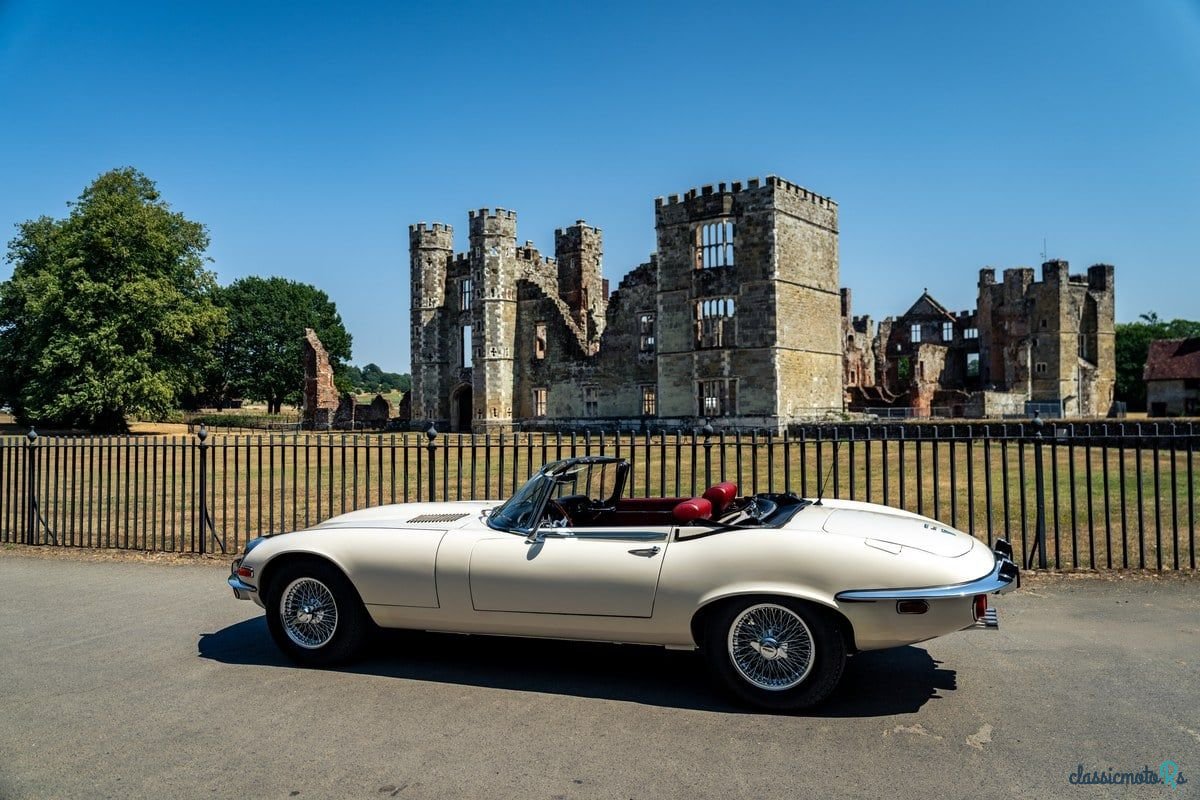
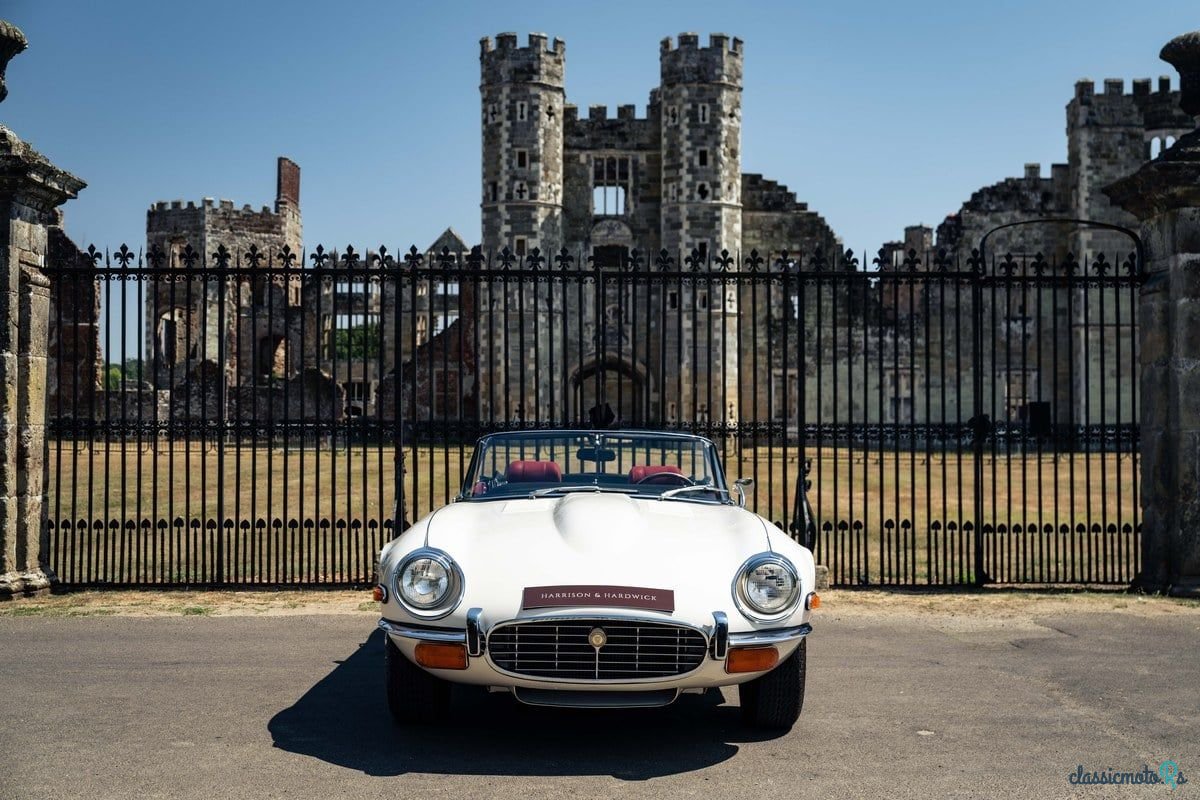
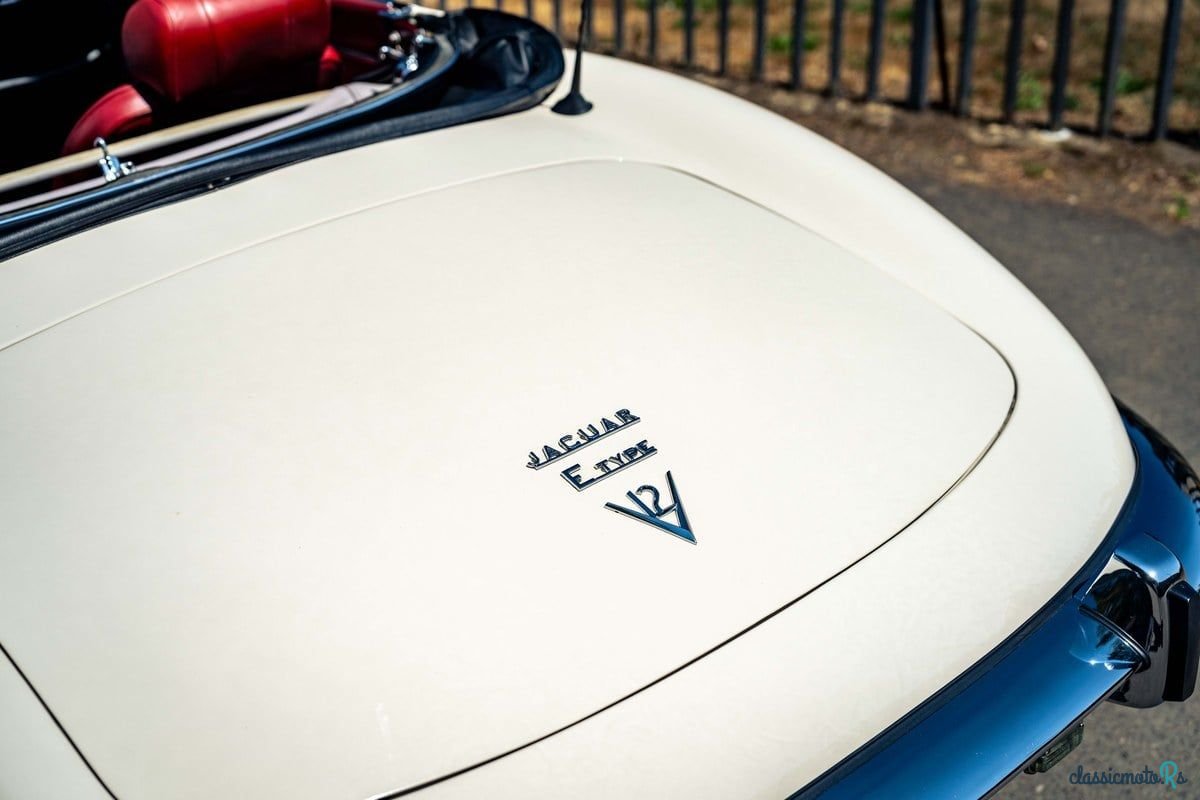
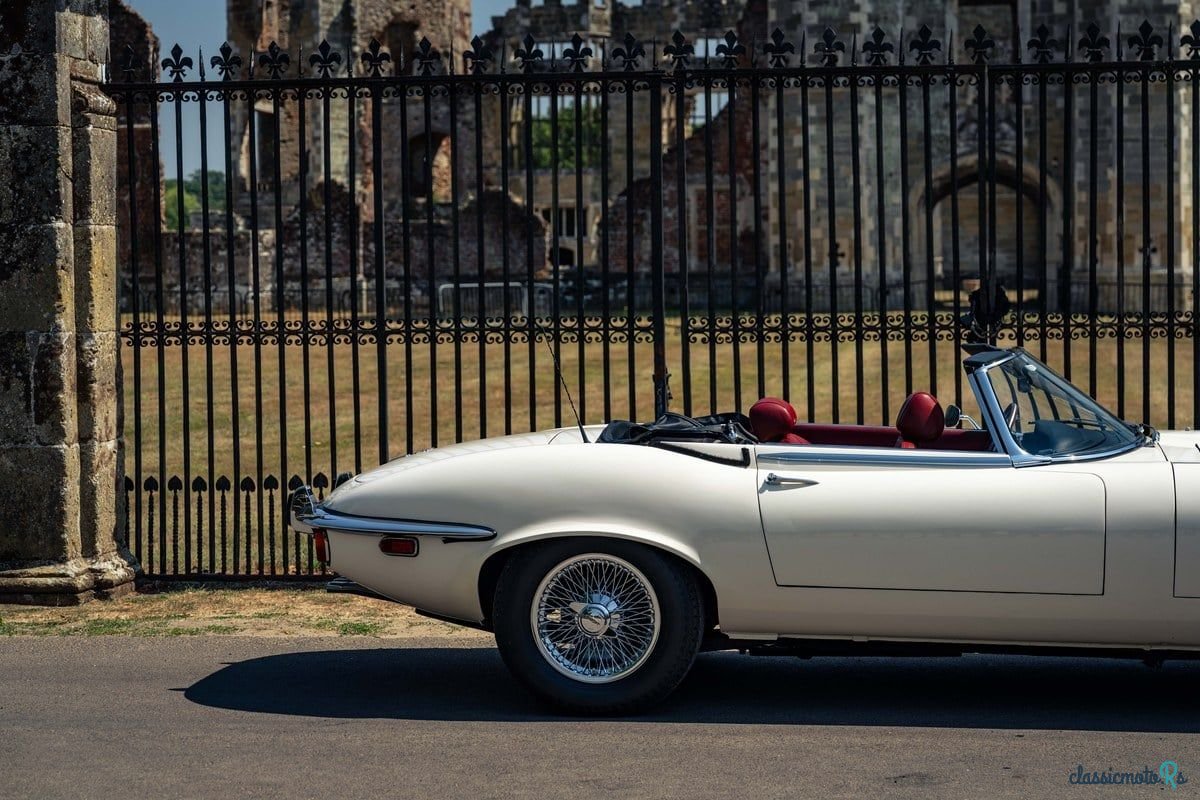
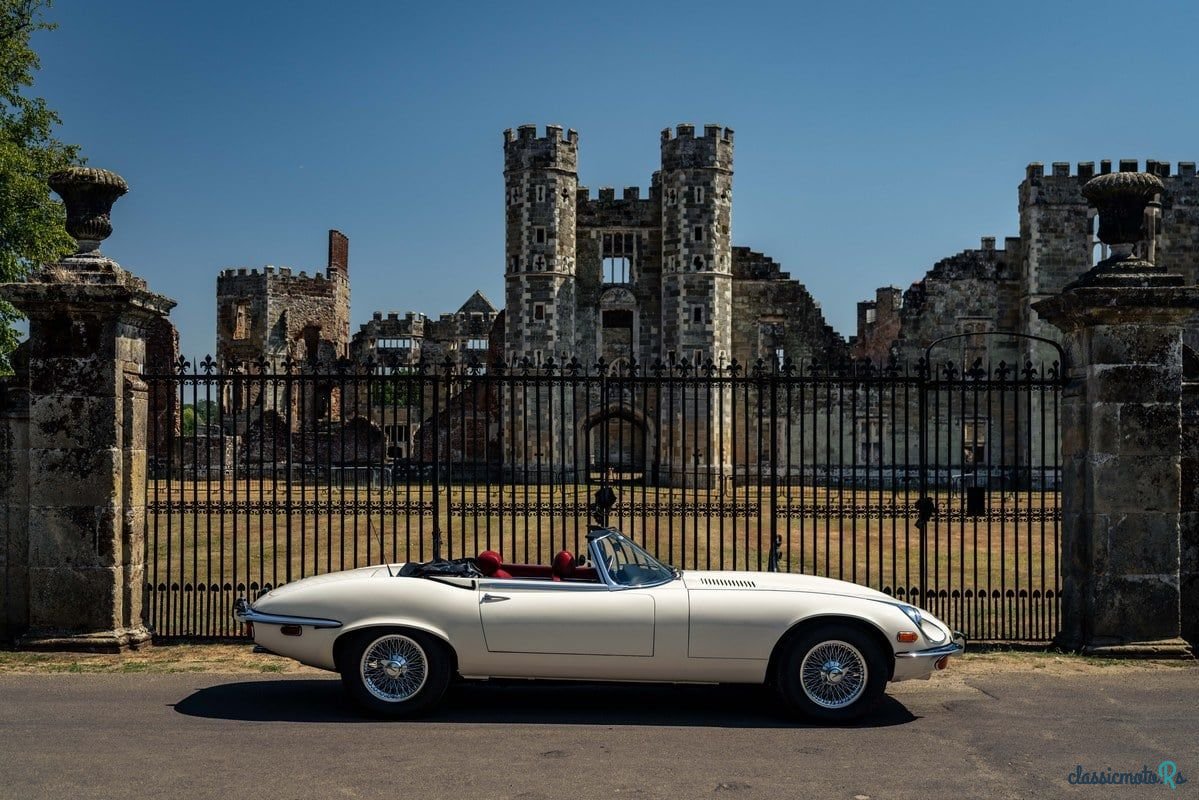
Ordered to be driven home.Most Series 3 E-Types sold in America were automatics. The V12 had been conceived as a grand tourer's engine - effortless, unstressed, quiet at a cruise - and the two-pedal car suited both the character of the machine and the roads it was going to. The manual was the minority choice, taken by owners who wanted the last E-Type to still feel like the first one.This is a manual car. It is also, and rather more unusually, a car that was collected in person.There was a practice in the period, now almost entirely forgotten, known as personal export delivery. Rather than have a car shipped and handed over by a dealer, a buyer abroad could order through a London agent, fly to England, and take the keys at the factory gate — then use the car properly on European roads before sending it home. The tax arrangements made it attractive. What made it memorable was everything else.Ordered in 1971 through Henlys of London and confirmed by the Jaguar Daimler Heritage Trust as built for personal export delivery, this Roadster was collected by its first owner from Brown's Lane in early 1972. He then toured Europe in it. In May of that year the car was loaded aboard the SS France at Le Havre - the longest passenger liner then afloat, and one of the last great transatlantic ships still running a scheduled service - and crossed to New York. The shipping documentation survives.The Series 3 is the E-Type at its most substantial. It sits on the longer 2+2 wheelbase with a wider track, flared arches and the cross-slat grille, and it needs the extra breadth: the 5. 3-litre V12 is a wide engine, and the car was redrawn around it. There is no version of the E-Type that looks more purposeful from the front three-quarter.Old English White is the colour that has always suited the shape best. It is not a bright white - there is cream in it, and it flatters a curve rather than flattening it, which is why so many of the surviving press cars wore it. This is the shade the car was delivered in, and the shade it has worn for all of its life.Inside, Russet Red leather. It is a deeper and dustier red than the crimsons Jaguar offered alongside it, closer to old saddlery than to a sports car interior, and it is the reason the combination works: white and red should be strident, and here it is anything but. The leather carries a light patina consistent with fifty years in a dry climate - softened, faintly creased, entirely honest. Trim, instrumentation and switchgear remain in excellent order. Chrome brightwork and panel fit present well throughout.The V12 shows strong oil pressure and delivers with the smoothness that made its reputation. Power steering is fitted, which transforms the car at low speeds without doing anything to it at high ones.Then the provenance, which is where this car makes its case.After a period in New York, the E-Type was sold in October 1981 from the estate of Robert Coller to Ace Tire Company of Ridgefield, Connecticut, showing 5, 900 miles. Ace Tire repainted it in the original colour during the 1980s and then simply kept it - for the better part of three decades. It returned to the United Kingdom in 2017 with approximately 13, 000 miles indicated, supported by a period insurance appraisal that had described it, before export, as show grade. The American record is not documented to the standard a modern buyer expects; the car itself argues rather persuasively in its own favour.On repatriation it was inspected by the E-Type Club, then worked upon by E-Type UK, and subsequently recommissioned by JLC Ltd over two years at a cost exceeding £35, 000, invoiced throughout.The important thing about that work is its philosophy. It was not a restoration. The brief was preservation: retain every piece of original material that could be retained, replace only what genuinely required replacing, and make the car mechanically and structurally fit for continued use. That is a slower and less satisfying way to spend £35, 000 than stripping a car to bare metal, and it is the reason this one still has its own history in it.An original, low-mileage, manual V12 Roadster in its delivery colours, with the paperwork from the ship that carried it across.Viewing By Appointment