6 photos
1971' Maserati Indy
Report This Ad!Rate This!Bookmark This
€89,500Published 31 January 2026ID: CmZG7V
Expired
8 months, 2 weeks ago
8 months, 2 weeks ago
Information from the owner
Body: Sports Car
Age: 55 years
Mileage: 40612 km
Displacement: 4900 cc
Fuel: Petrol
Transmission: Manual
Exterior color: Blue
Seller's comments about 1971' Maserati Indy
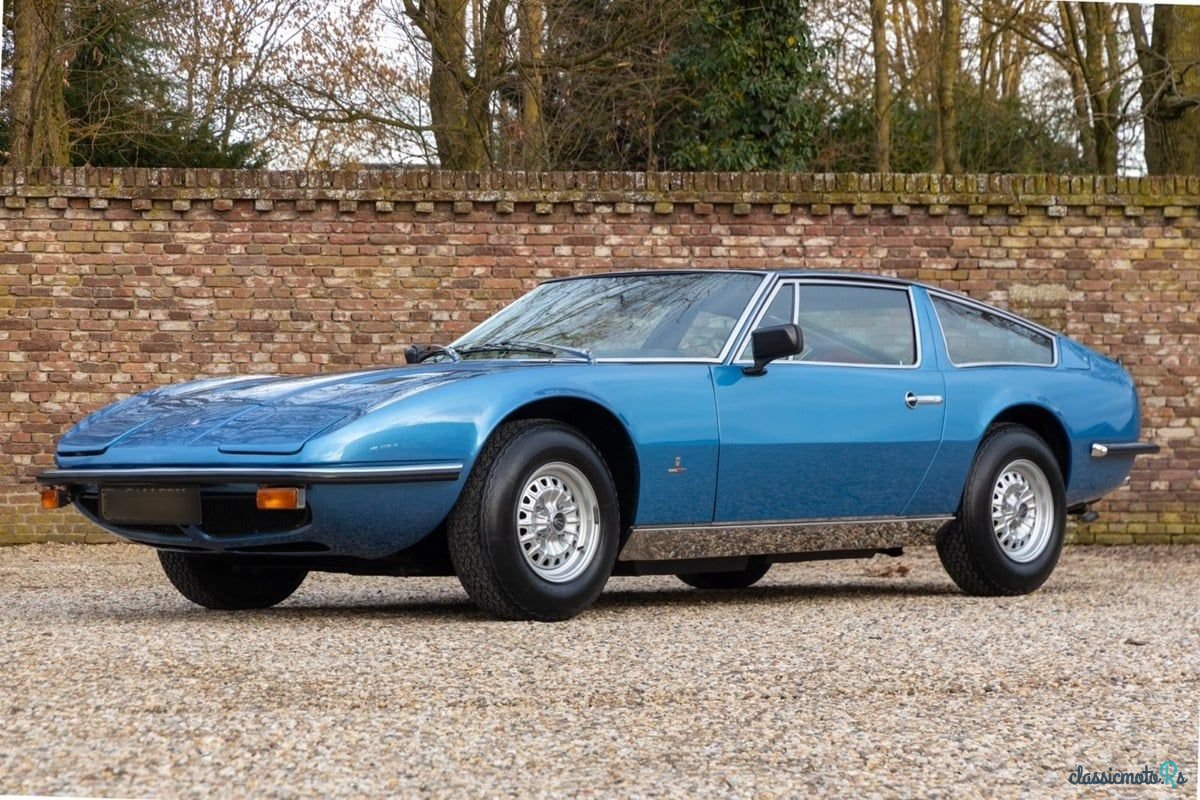
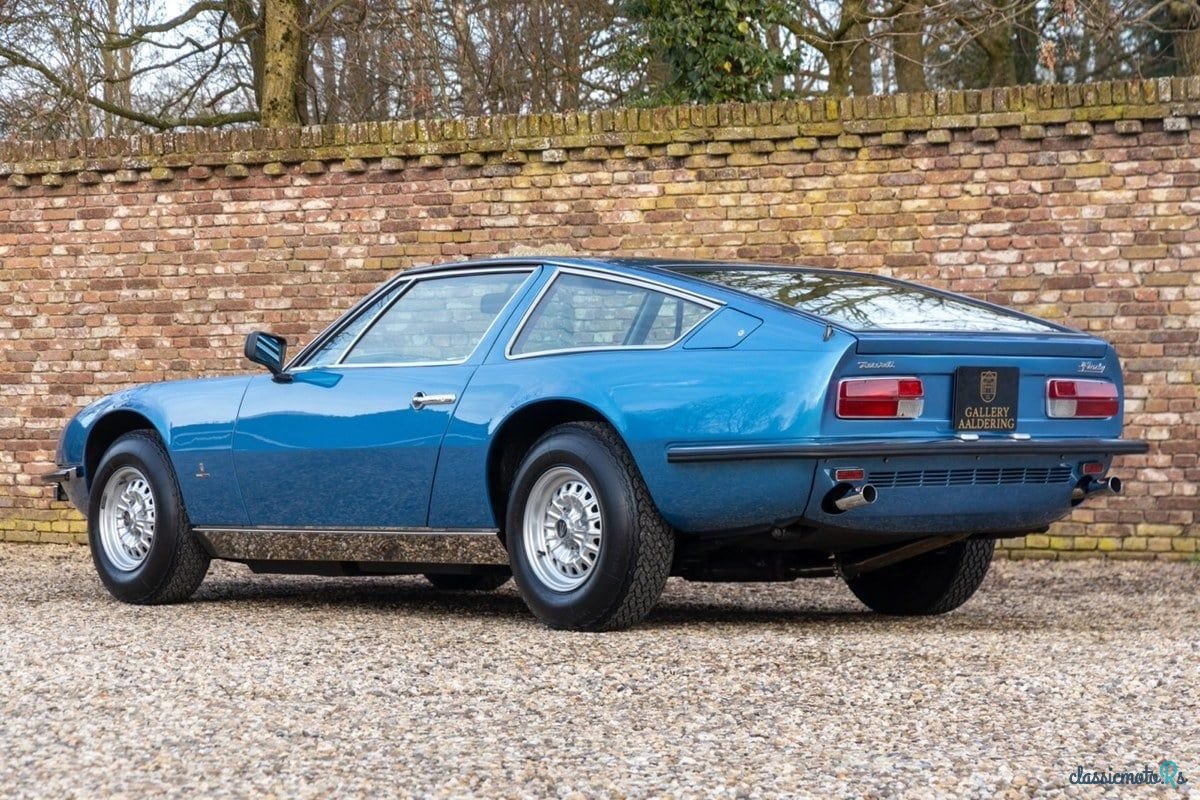
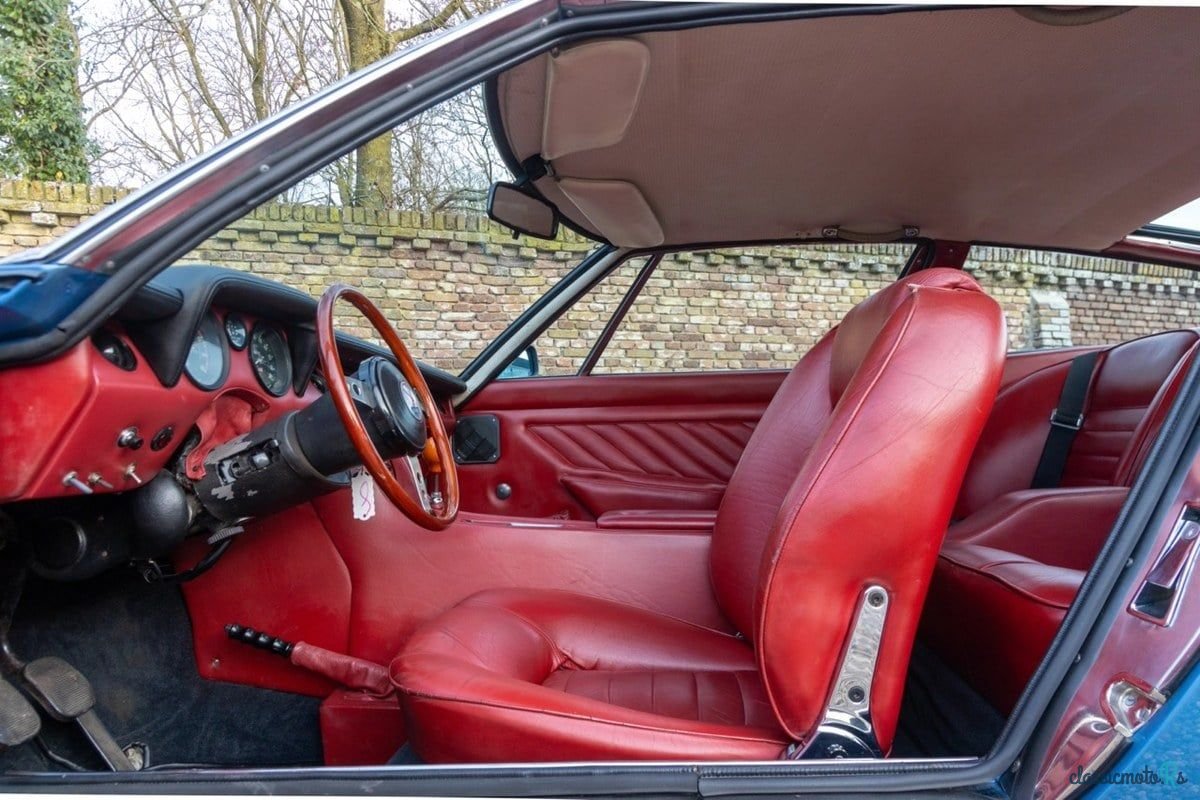
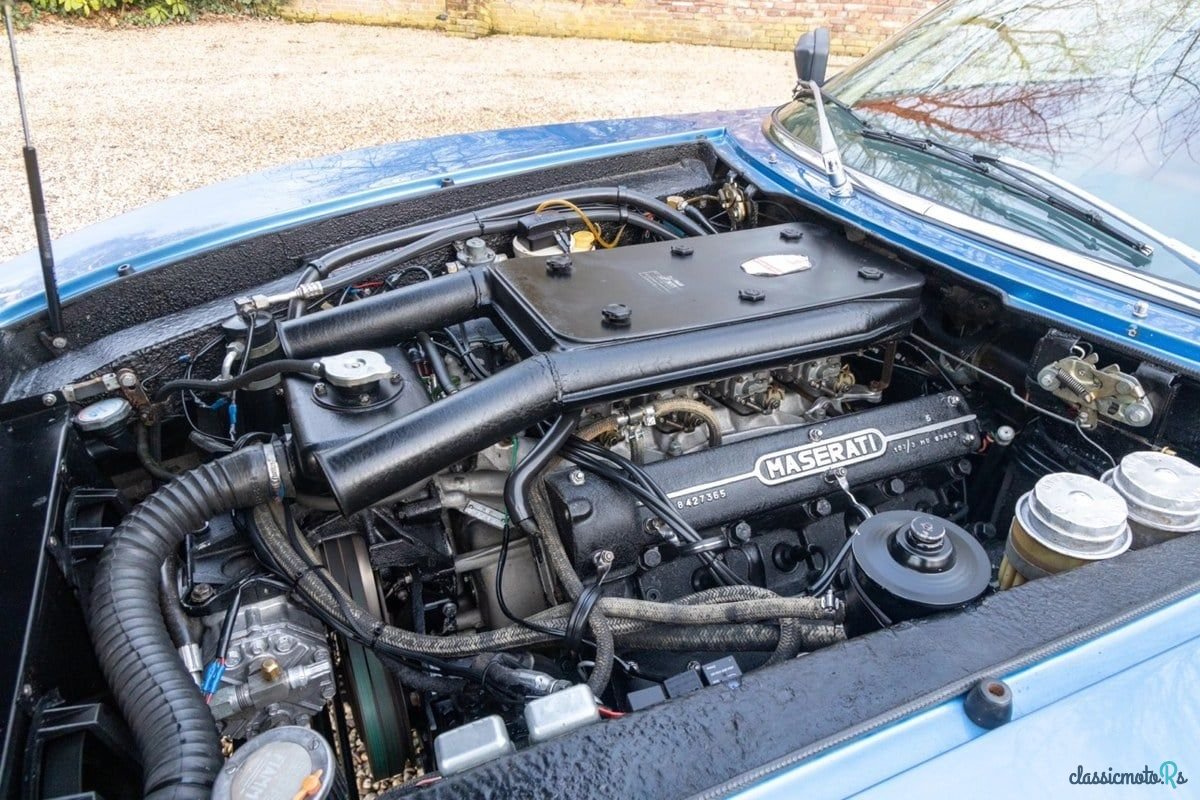
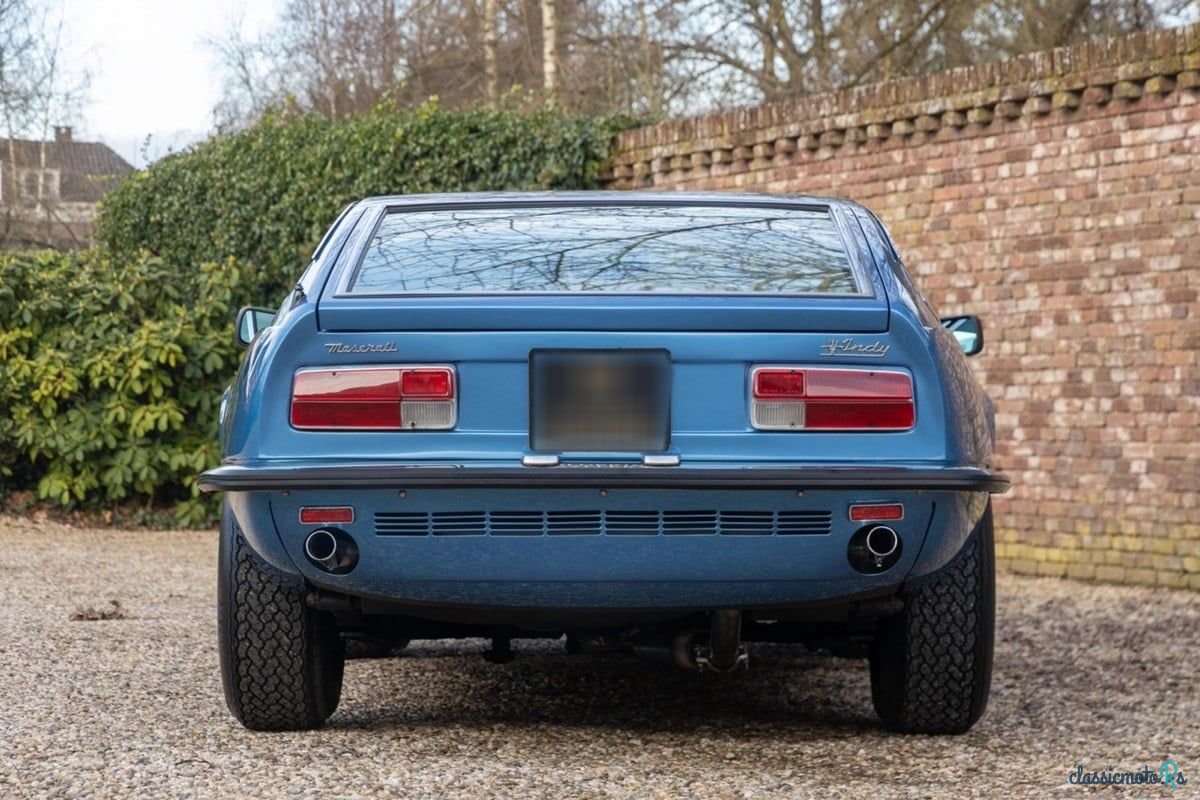
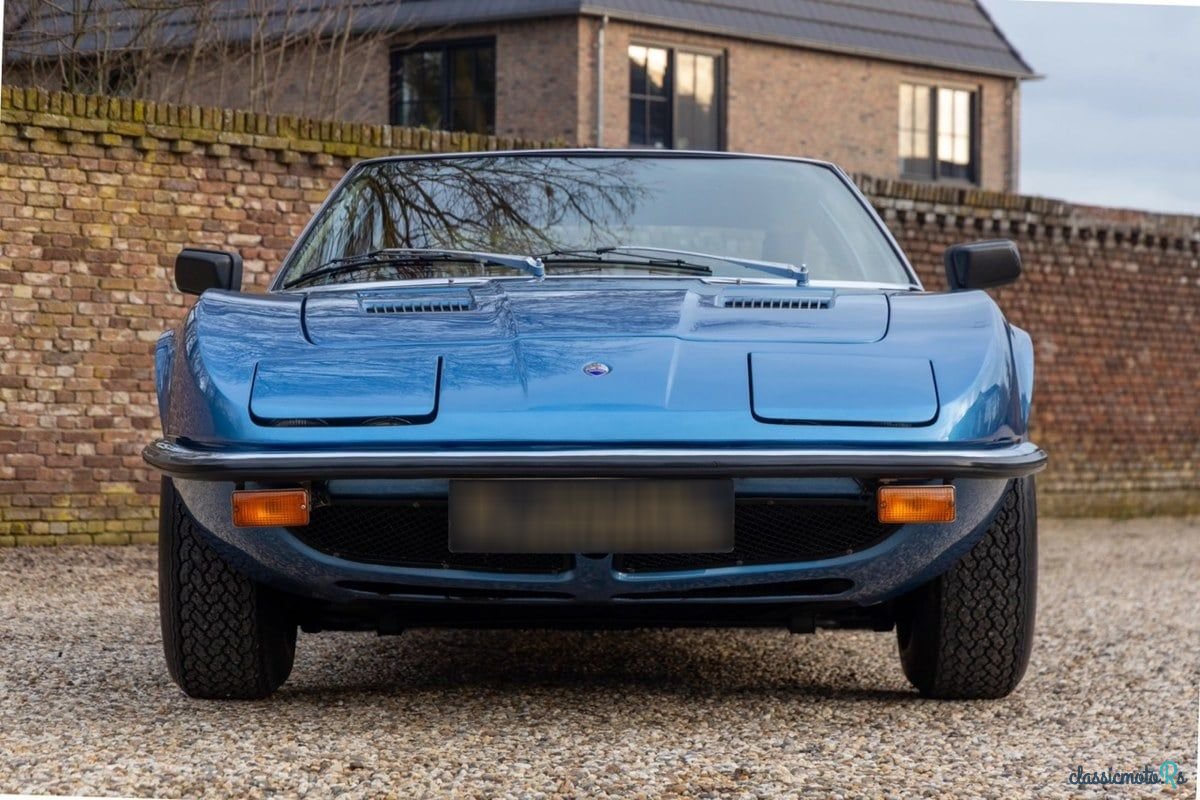
The name Indy wasn’t chosen by chance. In 1939 and 1940, Maserati won the Indianapolis 500 with the legendary 8CTF Boyle Special, driven by Wilbur Shaw. That was no fluke—it was a statement. Decades later, when Michael Schumacher took that very Maserati for an honorary lap at Indianapolis in 2000, his smile said it all. Some victories never truly fade. Maserati understood that. And so, in the late 1960s, the marque introduced a car that gave the name new meaning: the Maserati Indy.In 1968, Maserati unveiled a new four-seat coupé at the Turin Motor Show on the Carrozzeria Vignale stand. Designed by Giovanni Michelotti, it was based on the familiar Maserati formula of a front-mounted V8 and rear-wheel drive. The production version followed in early 1969 at Geneva and was met with remarkably positive reactions. Not just because it was fast, but because it did something few GT cars of the era truly managed: comfortably carry four adults without becoming cumbersome or ponderous.The styling is unmistakably late 1960s—long, clean, and subtly taut. A fastback-style silhouette with a large rear hatch, offering not only generous passenger space but genuine luggage capacity as well. This immediately defines the Indy’s purpose: covering long distances at high speed, effortlessly and without drama. Simply keep driving.Maserati offered the Indy with three V8 engines: a 4. 1-liter, a 4. 7-liter, and ultimately the 4. 9-liter. The example presented here is the latter—the top specification. With 320 horsepower, this was a serious Grand Tourer in its day, especially when paired with the ZF five-speed manual transmission. Remarkably, this car is one of only 39 examples built for the U. S. market equipped with that manual gearbox, making it particularly special.The chassis was tuned for stability and composure. No nervousness, no surprises—exactly what you want when traveling at sustained high speeds. Power steering was standard from the factory, making the Indy surprisingly approachable. It’s clear Maserati wasn’t aiming to build a pure sports car here, but rather a car you could genuinely use every day, if you so desired.The color combination reinforces that philosophy. Blu Ischia over Rosso Senape leather—classic, yet far from conservative. The interior is spacious, logical, and well laid out. Everything falls naturally to hand. No excess, no unnecessary ornamentation—just thoughtful design done right. This particular example was restored by a renowned specialist in the Netherlands and is accompanied by the full Maserati Classiche documentation, including the original Internal Factory Order. Its condition is excellent, its presentation correct, and—most importantly—it drives exactly as it should: smooth, powerful, and reassuringly composed.A total of 1, 104 Maserati Indys were built, only 300 of which were fitted with the 4. 9-liter engine—and even fewer in this specification. This is not a car that demands attention. It’s a car you understand the moment you drive it. A true Grand Tourer, exactly as Maserati intended.