6 photos
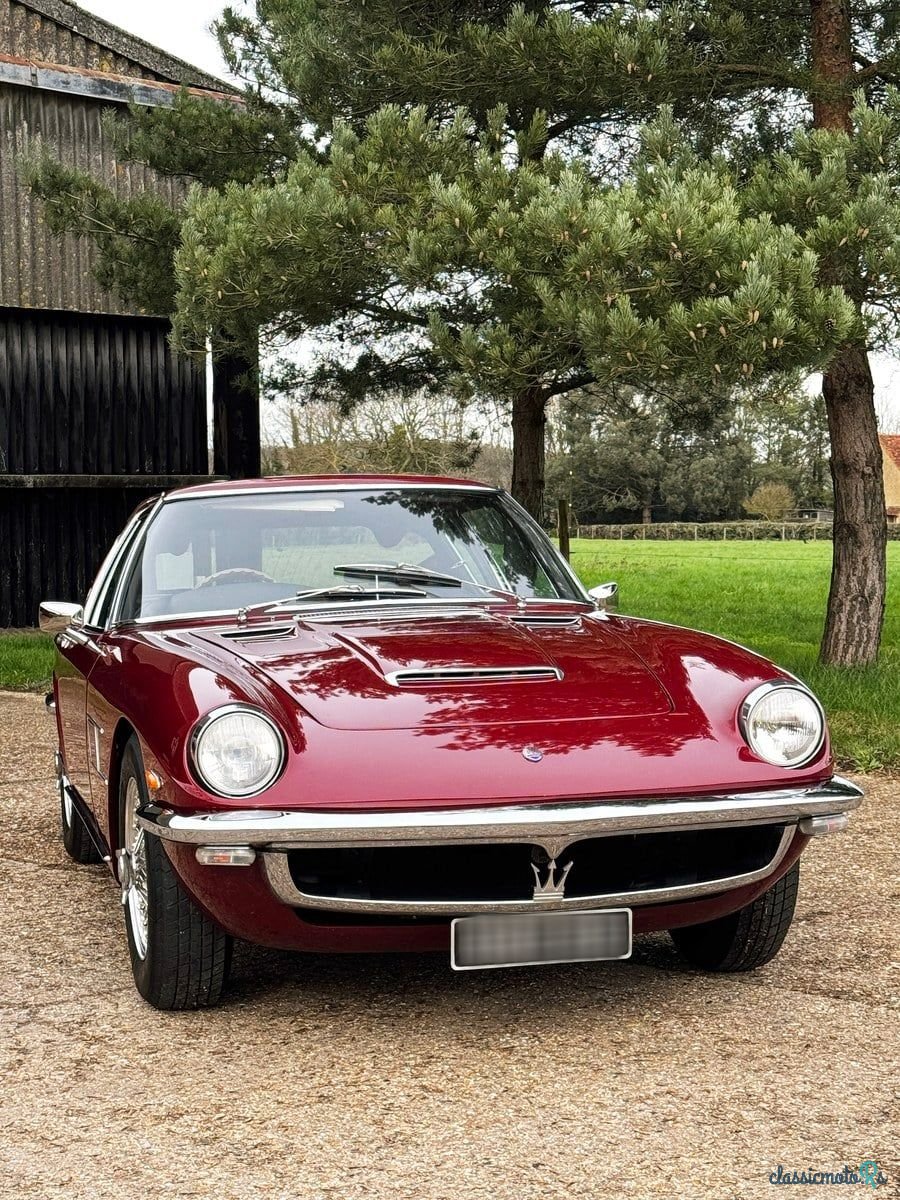
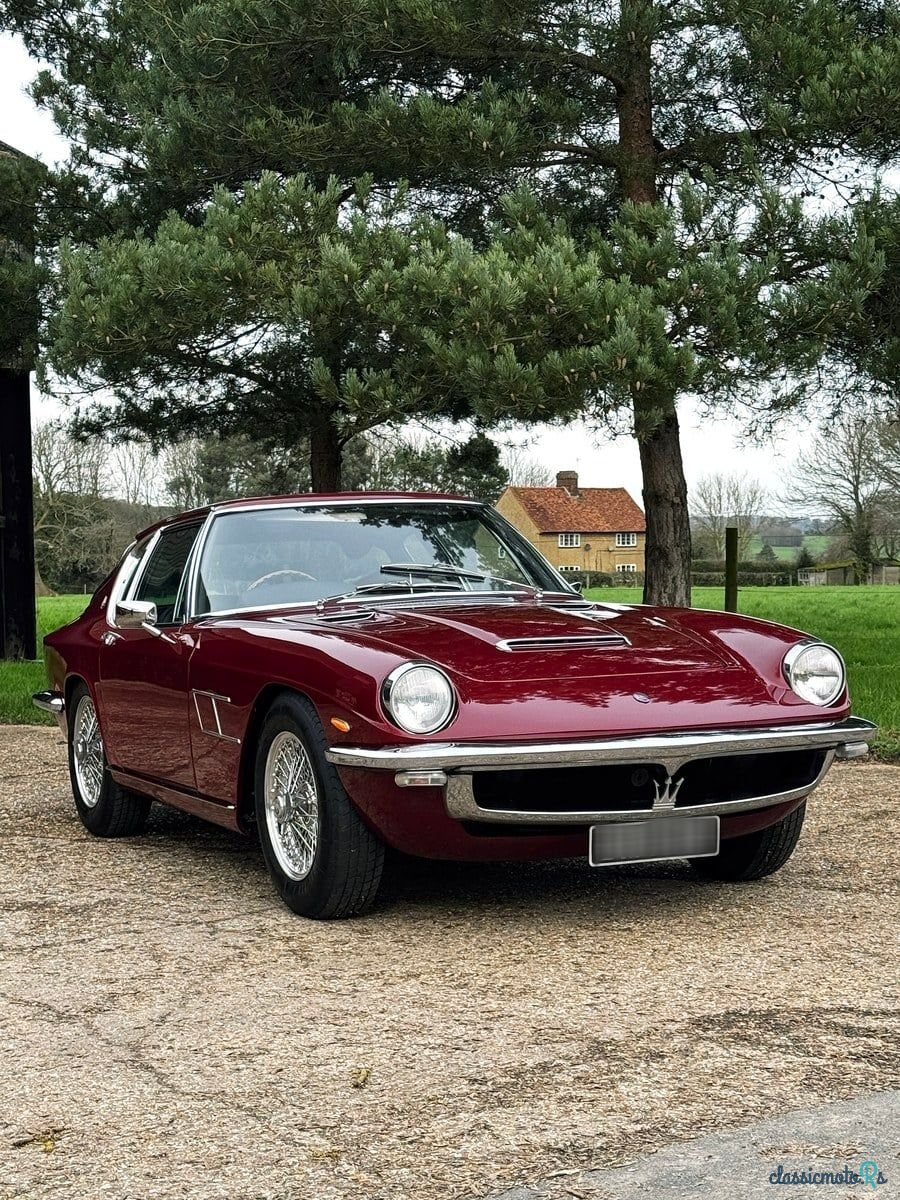
1964' Maserati Mistral
Report This Ad!Rate This!Bookmark This
£125,000Published 8 March 2026ID: t8172k
Expired
7 months, 1 week ago
7 months, 1 week ago
Information from the owner
Body: Sports Car
Age: 62 years
Mileage: 23446 km
Displacement: 3694 cc
Fuel: Petrol
Transmission: Manual
Exterior color: Red
Seller's comments about 1964' Maserati Mistral
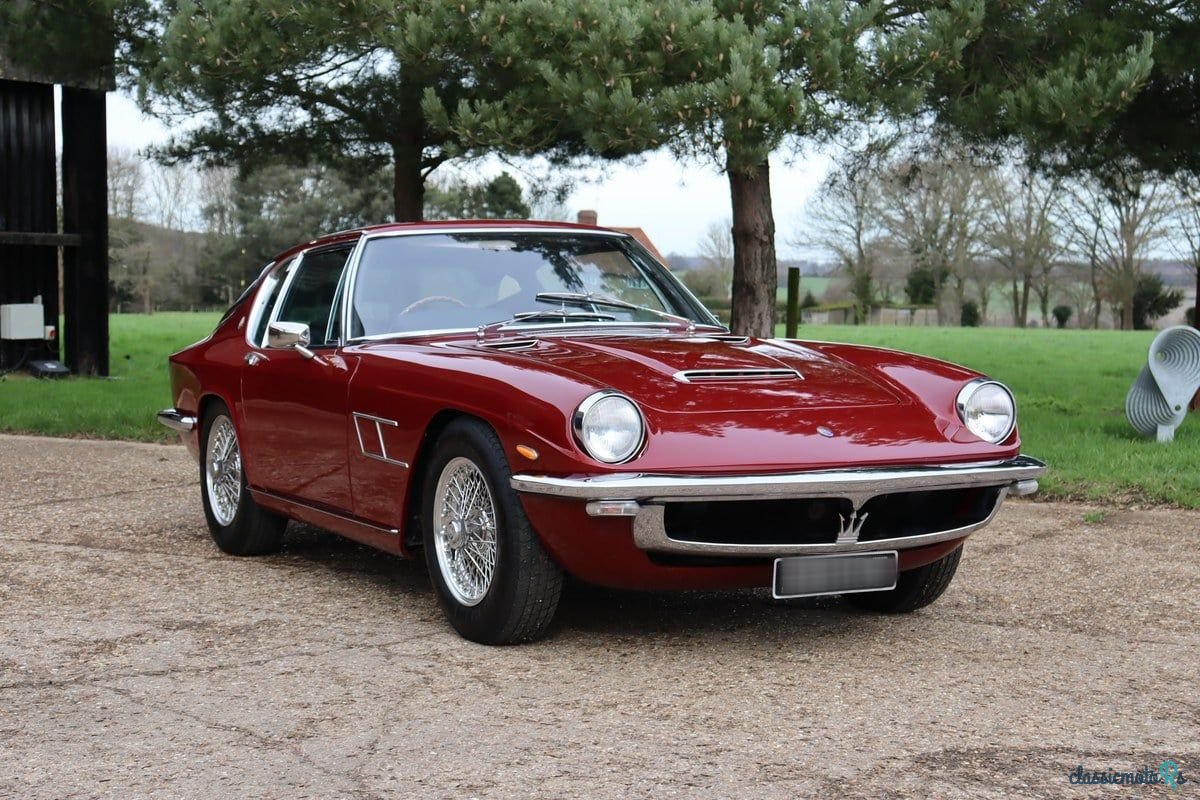
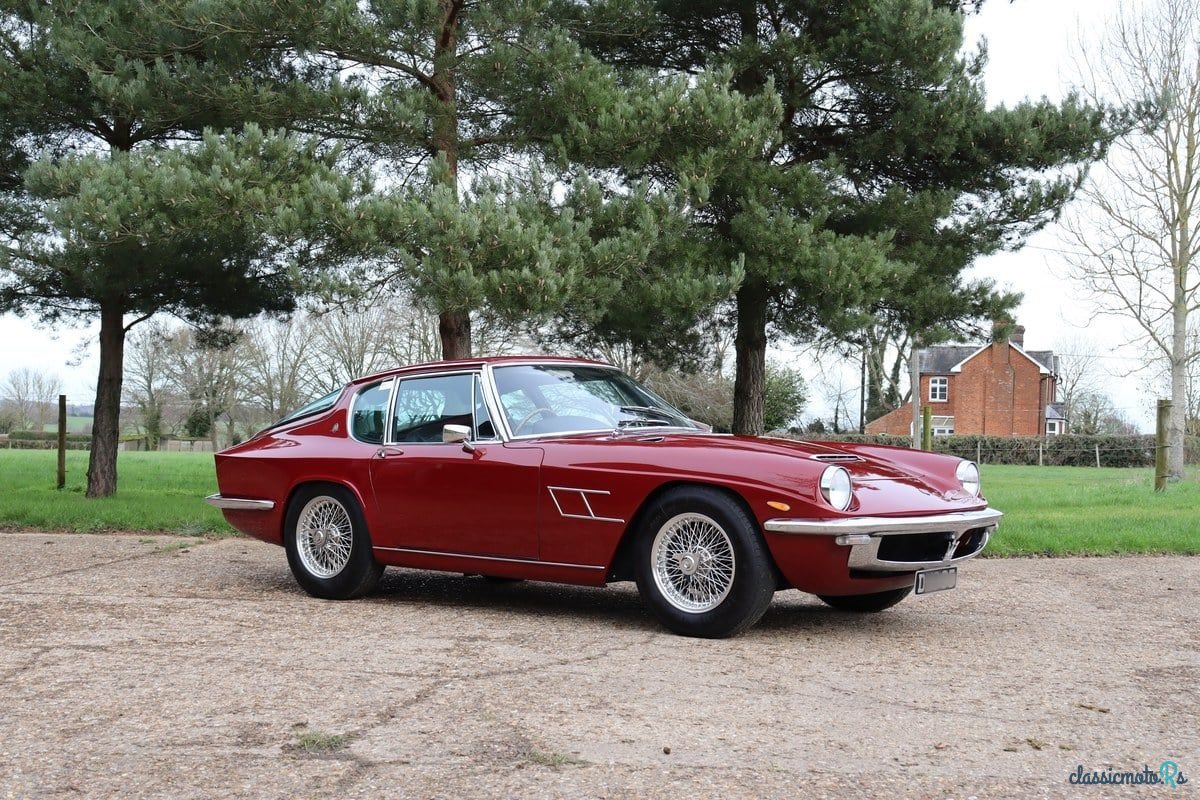
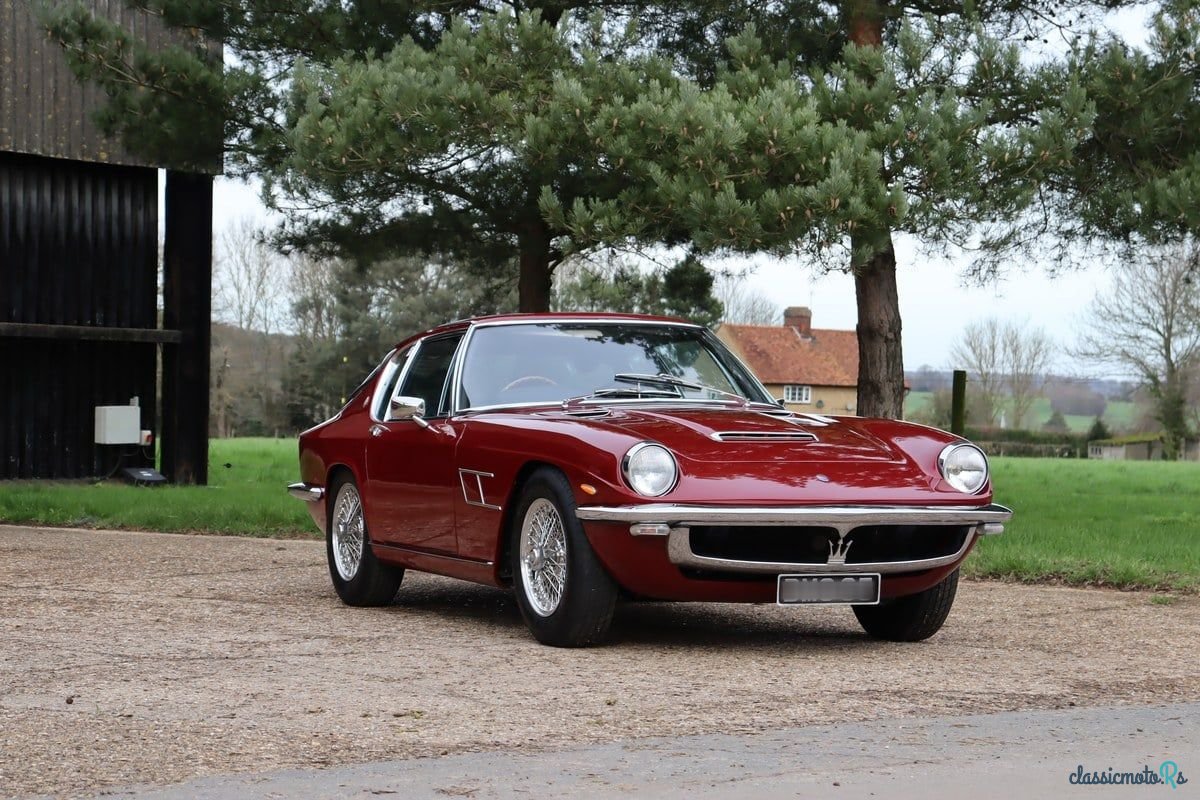
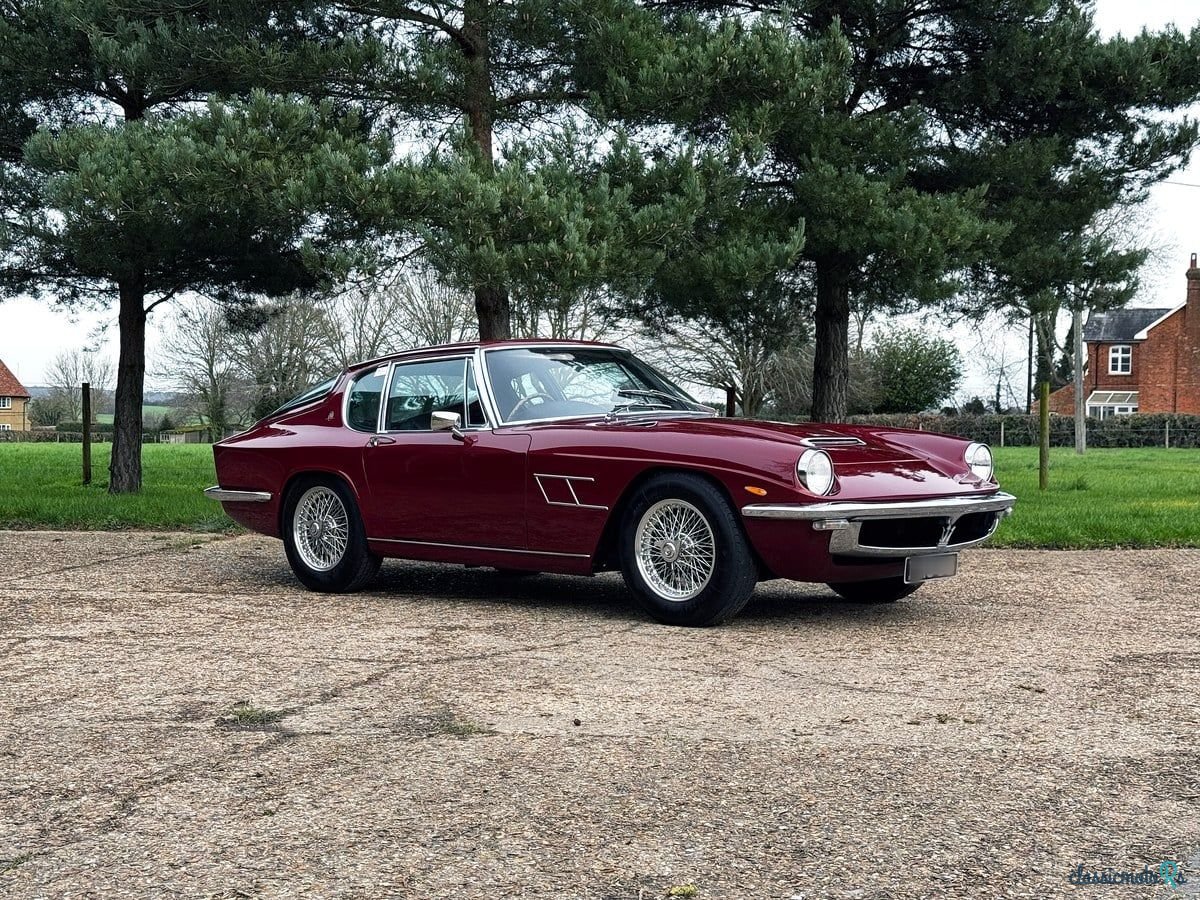
1964 Mistral CoupeChassis: AM109. 190.Registration: DMS 65 • Matching numbers• 3. 7-litre, 245 bhp straight six twin-cam engine• Thorough restoration by McGrath over many years• Original Lucas fuel injection• Comprehensive history fileUniversally acknowledged as one of the prettiest Maseratis of the classic era, the Mistral was designed by Pietro Frua and replaced the 3500GTI in 1964. It was built as both Coupe and Spyder and available until 1969. This was the last car to use the venerable straight-six that could trace it’s lineage back to the 350S sports racing car. A twin-cam, twin-plug per cylinder unit that for the Mistral was enlarged from 3. 5 to initially 3. 7 litres. With Lucas fuel injection as standard, the new engine developed 245 bhp. A five-speed ZF gearbox and Salisbury axle were carried over from the 3500 GT but the all-aluminium body was entirely new, and built on a new, shorter wheelbase chassis.Initially the car was to be named ‘Due Posti’ or two-seater to distinguish if from both the 3500GT and Sebring and it was the French importer who suggested the much more romantic name of Mistral. In all, 828 Coupes were built but of those only 28 were right-hand-drive. Of these only 18 came to the UK with the 3. 7-litre engine and this car was the fifth. The Maserati Classiche Technical Characteristic document on file confirms the build date of November of the launch year of 1964 and the matching numbers for chassis and engine of AM109. 190 makes this the 85th car built (only even numbers were used for Coupes). Registered in the UK on 6th January 1965, nothing is known about the first owner, apart from the fact that it appears they kept it for an unusually long time. The DVLA V5C confirms that the second owner, from Middlesex, bought the car in 1981, only keeping it a year before selling again in November 1982. Originally painted in ‘Grigio Auteuil’, a dark silver grey, by 1982 the car was white and the body already in very poor condition, as some period photos in the history folder confirm. In addition, the original Lucas injection system had been replaced with Weber DCOE carburettors, a popular conversion at the time.In 1986, the third owner enlisted the help of Bill McGrath to commence what was clearly going to be a mammoth restoration but at that time neither of them could have envisaged just how long this would take.During the late 1980s the body was stripped of paint and the true horrors of years of bodged repairs came to light. Bill turned to his body shop partner of the time, the legendary Vale Cottage Motors in Hornsey for the metalwork repairs. When the owner visited Vale Cottage, he was distracted by the idea of converting the car to Spyder specification, which was a fairly common occurrence at the time and something that Vale Cottage specialised in. Prices were quoted and agreed on the spot to chop the roof off but during his cooling off period, the owner felt guilty and called off the angle grinder at the eleventh hour. He felt the need to preserve the originality of the Coupe and when one realises that today there are only a handful of RHD cars left, one can only be impressed at the foresight of his decision.Over the next couple of years, the bodywork was restored, including new sills and under structure, new floorpans, and replacement of just about all the lower half aluminium outer skin. When it came to colour, the owner didn’t want to go back to Grigio and so chose the authentic colour it is today, which is rosso arcoveggio. The painted bodyshell duly arrived back with Bill McGrath around 1993 but was then placed in storage for some years before the owner could continue.During the second half of the 1990s some mechanical work was undertaken to rebuild the engine but it would not be until 2007 that the car came back to McGrath Maserati and the real rebuild could commence in earnest. It would take until late 2009 to complete the project. There are invoices on file from McGrath Maserati for £83, 000 during this period and the rebuild was comprehensive in terms of suspension, brakes, new wiring loom, engine and axle overhauls. Only the interior, which amazingly was still the original Connolly leather PAC1560 was not totally re-trimmed, the owner preferring to keep some of the panels as authentic as possible. When finally completed, the Coupe returned to the road in 2009. It gave the owner great satisfaction to know that he had saved the car and persevered with the restoration to completion and he used the car regularly for the next four years. By 2013 however, and due to retire, the third owner asked us to sell the Mistral on his behalf and we did, to the equally enthusiastic current, and only fourth, owner, who immediately enlisted us to do another round of work on the car, including re-instating the original Lucas fuel injection and refreshing the paintwork.In 2014, he took the car to Italy for the Maserati Centennial Gathering, which began in Bologna before visiting Modena and ending with a Concours in Turin. You can see the car arriving in Modena during this film of the event: - details above. And it also took part in the Concours, where it won 2nd place in the six-cylinder class.Back in the UK, the Mistral also featured in a lead article and on the front cover of Classic & Sportscar magazine in a supplement to mark the centenary. A copy of the article is on file. In 2017, it featured in Auto Italia magazine as the featured car in a Mistral buyers guide, again a copy is on file and in 2019 it took part in the Maserati International Rally based at Gleneagles. In 2020 however, the car was placed in long-term storage from which it has only recently been extricated. Now for sale, it still benefits from the comprehensive restoration that was carried out, but has an authentic patina. It is offered for sale fully-serviced, with new MOT test, and ready for its next adventure.Only a handful of these right-hand drive cars have survived and therefore this really does represent a rare opportunity. To find one such as this, that has been used a lot, but maintained properly with respect to its authenticity probably makes it unique.