6 photos
1987' Ford Sierra
Report This Ad!Rate This!Bookmark This
£400,000Published 3 July 2026ID: BkaVfE
Expired
3 months, 2 weeks ago
3 months, 2 weeks ago
Information from the owner
Age: 39 years
Displacement: 2300 cc
Exterior color: Red
Electronics: AM/FM Radio, TV
Seller's comments about 1987' Ford Sierra
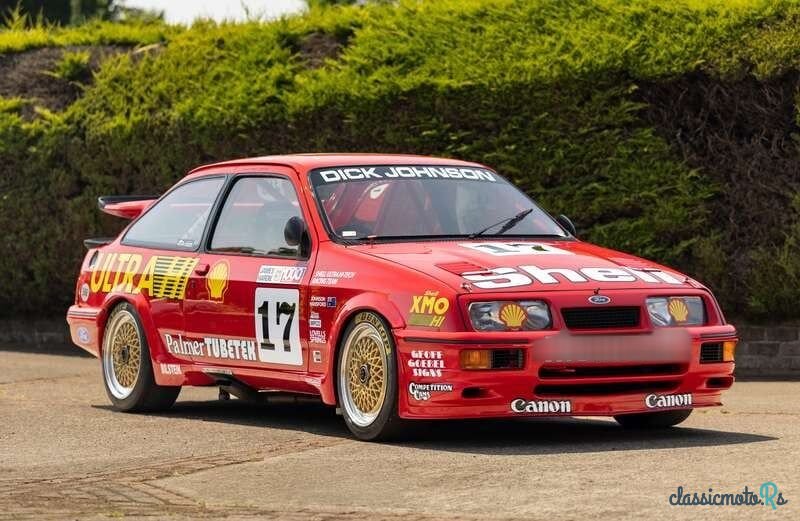
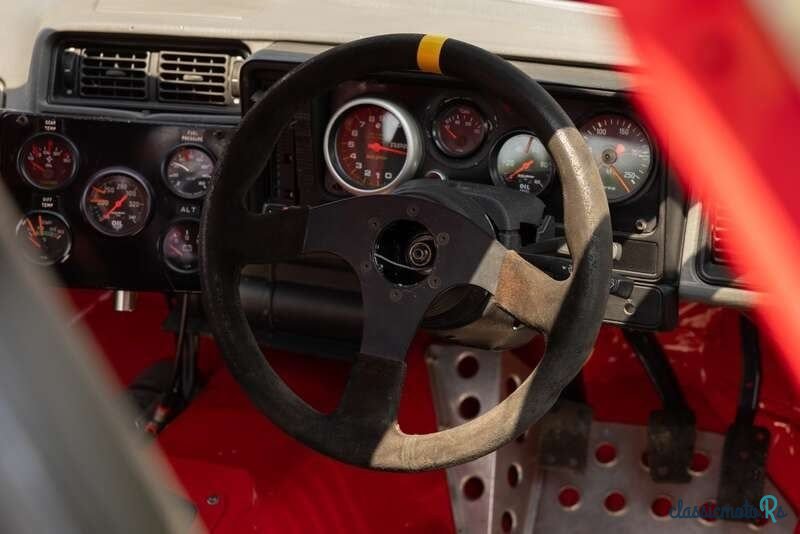
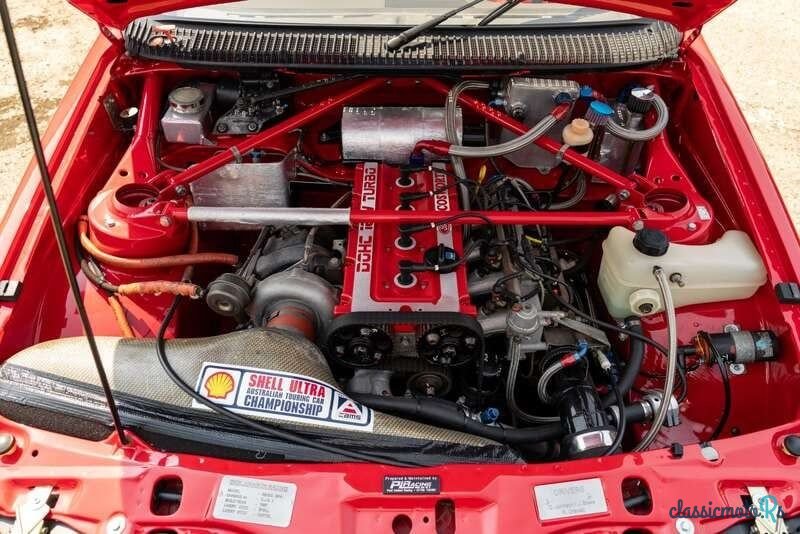
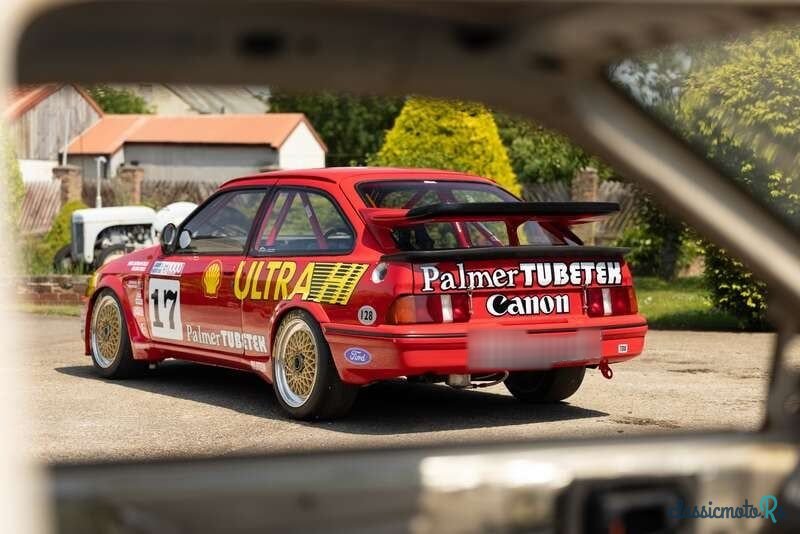
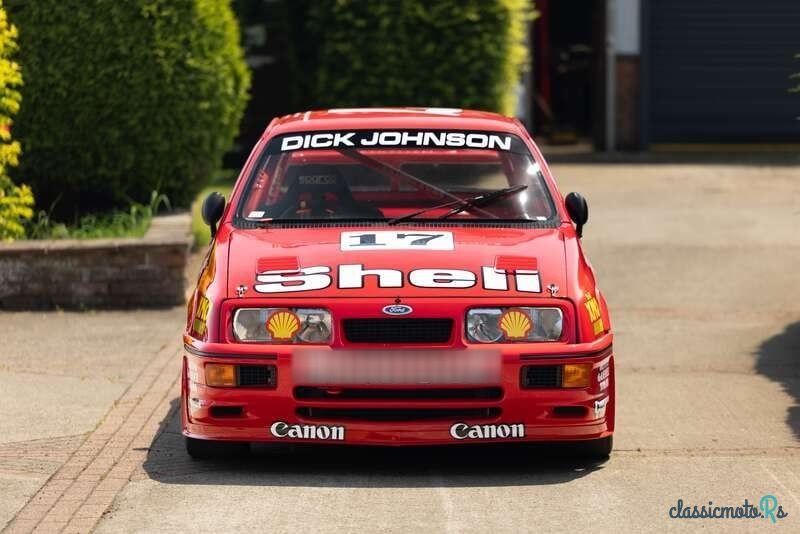
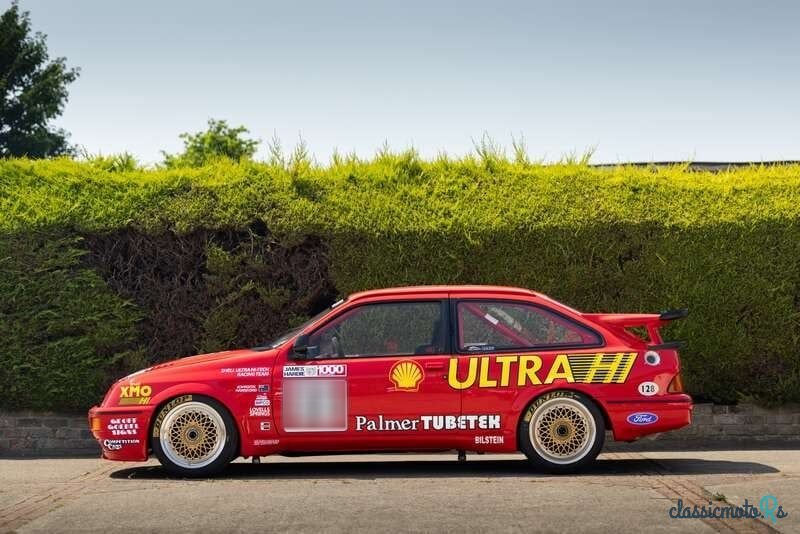
This lot will be auctioned via Iconic Auctioneers, The Iconic Sale at the BRDC Classic 2026 - Competition Cars on Friday the 24th of July, The Wing, Silverstone Circuit, NN12 8TN. Australian Touring Car legend, **** Johnson, could hardly contain his excitement when Ford announced their new Sierra RS Cosworth realising immediately its potential suitability for Touring Car Racing in Australia. He sensed his winning ways on the track were set to continue and worked on a deal with Ford Australia to supply the car(s) and the technology, with sponsorship from Shell (promoting 'Ultra Hi' fuel) and Motorcraft. This car, chassis number DJR1, was the first of six Sierras (designated DJR1 through DJR6) that spearheaded the team's most successful era in touring cars and their distinctively presented red and yellow cars became synonymous with race successes for him and his eponymous team, **** Johnson Racing. DJR built its first Sierra chassis (DJR1) in Queensland from an imported right-hand drive, three-door bodyshell (the first of only six ever built) and a second left-hand-drive car (DJR2) followed for teammate Gregg Hansford. The official RS500 evolution model had not yet been homologated by the FIA so DJR1 and DJR2 initially ran as standard three-door Sierra Cosworths fitted with the small standard Garrett T3 turbochargers which, when pushed to high boost levels to stay competitive, were prone to catastrophic failures. Once the RS500 package was homologated in August 1987 - introducing a larger turbo, massive intercooler, and distinct dual-spoiler 'whale-tail' aerodynamics - DJR converted the cars and they became considerably more reliable. DJR1 first appeared at Calder Park Raceway in Victoria finishing 9th, with its first challenge for the lead taking place a few weeks later at Lakeside Park in Queensland, before a post race controversy over the wheels not complying with Australian rules. It went on to finish 6th overall in that year’s championship gaining several pole positions but not yet gaining the reliability needed, although DJR1 did win Round 5 at the Adelaide International Raceway, the support race for that year's F1 GP. For 1988, DJR1 was driven by John Bowe and ran alongside **** in DJR3. John won the Winton and Amaroo rounds in this car, ending the 1988 season with Johnson winning the Australian Touring Car Championship overall and the famous Shell cars winning eight of the nine rounds. An incredible achievement and the birth of the DJR Legend. At the end of the 1988 season, DJR1 was sold to Mike Smith (Radio 1 DJ and TV personality of the day) and Robb Gravett, who formed Trakstar Motorsport which was run by legendary Touring Car team manager of the day, Malcom Sweatnam. Robb Gravett contested the 1989 British Touring Car Championship with this car winning four races and having nine podium finishes, resulting in 4th in the championship overall and some truly epic dices with Touring Car star, Andy Rouse in a similar car. In 1989, the car was used by Mike Smith and ex-rallycross driver, Graham Hathaway, with some long distance race successes for the pair, whilst Robb went on to win the Championship overall in the team’s sister car. Hathaway purchased DJR1 at the end of 1990 to compete in the Malaysian Touring Car Championship during the early 1990s, before returning the car back to the UK to contest a few more BTCC rounds in 1991, its final qualifying year prior to the introduction of the new 2. 0-litre BTCC regulations in 1992 and their subsequent global adoption by the FIA in 1993. Touring Cars were now limited to naturally-aspirated 2. 0-litre, four-door, mainly wingless, production saloons. It was not surprising, really, as the terrifying speed (by 1990 the cars were approaching nearly 200mph on longer straights), and the escalating costs of the turbocharging arms race, meant that the RS500 ultimately contributed to its own demise. This ended the magical period of the fire-breathing RS500s, resplendent in vibrant liveries from Kaliber, Labatt's, Texaco and Shell and entertaining the crowds globally with their spectacular 550bhp rear-wheel drive antics - much missed to this day. DJR1 then passed through the hands of Lester Stacy and Andy Lloyd before being purchased in 2017 by our vendor, with whom it has remained as a tribute to the era. It retains its original bodyshell, engine, gearbox, back axle, Harrop nine-inch rear differential, and the original Eggenberger suspension etc. and is presented as it would have looked in 1987, as raced by **** Johnson. Today, it 's perfectly preserved and remarkably original, but has not been run in anger for over a decade. The first of **** Johnson's Sierra Cosworths, undoubtedly the most dominant and iconic Touring Cars in Australian motorsport history, DJR1 is a true survivor of the time with a fascinating history and we invite and encourage your viewing at our Competition Car sale at the BRDC...