6 photos
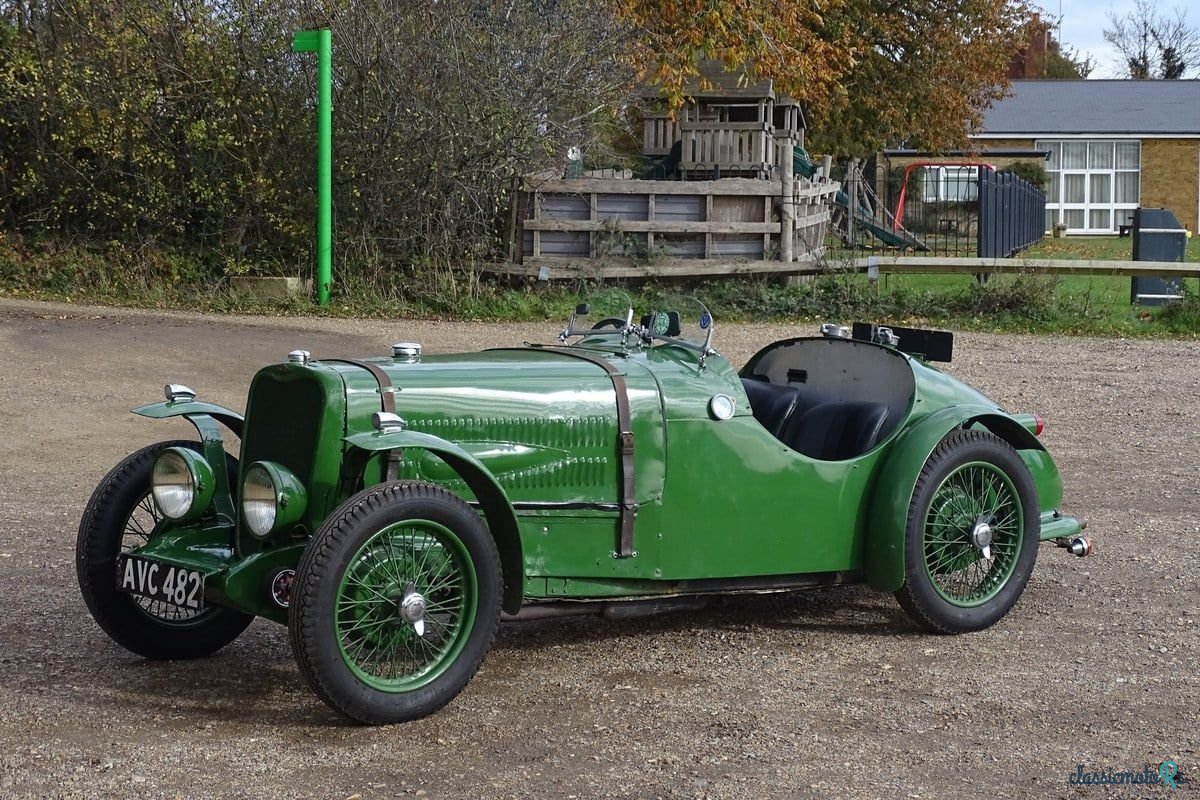
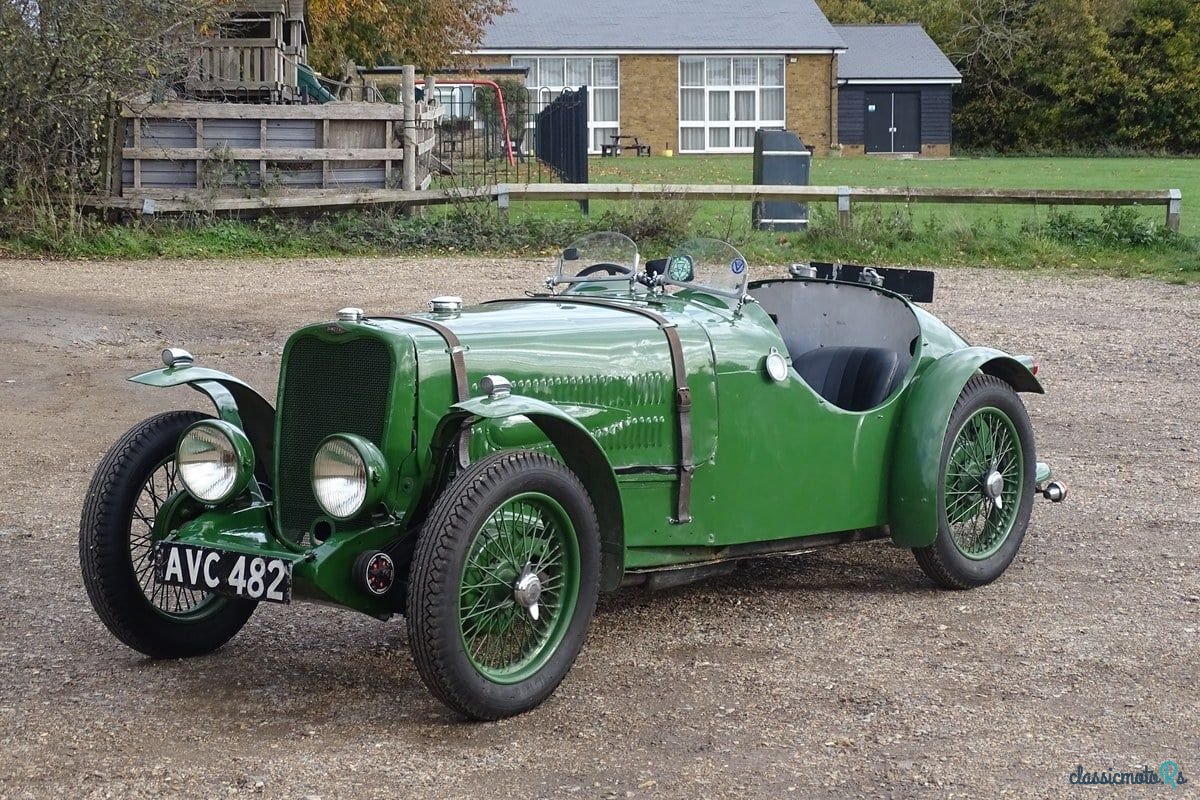
1935' Singer Nine Tt Team Car
Report This Ad!Rate This!Bookmark This
£60,000Published 31 October 2025ID: bu8zXq
Expired
11 months, 2 weeks ago
11 months, 2 weeks ago
Information from the owner
Body: Sports Car
Age: 90 years
Exterior color: Green
Electronics: Parking Assist Rear
Seller's comments about 1935' Singer Nine Tt Team Car
The Millbrook Sale | Milton Keynes, Bedfordshire
Viewing: Tues 2nd December from 12pm
Auction: Wed 3rd December from 9am
Location: Millbrook Proving Ground, Station Lane, Bedford MK45 2JH
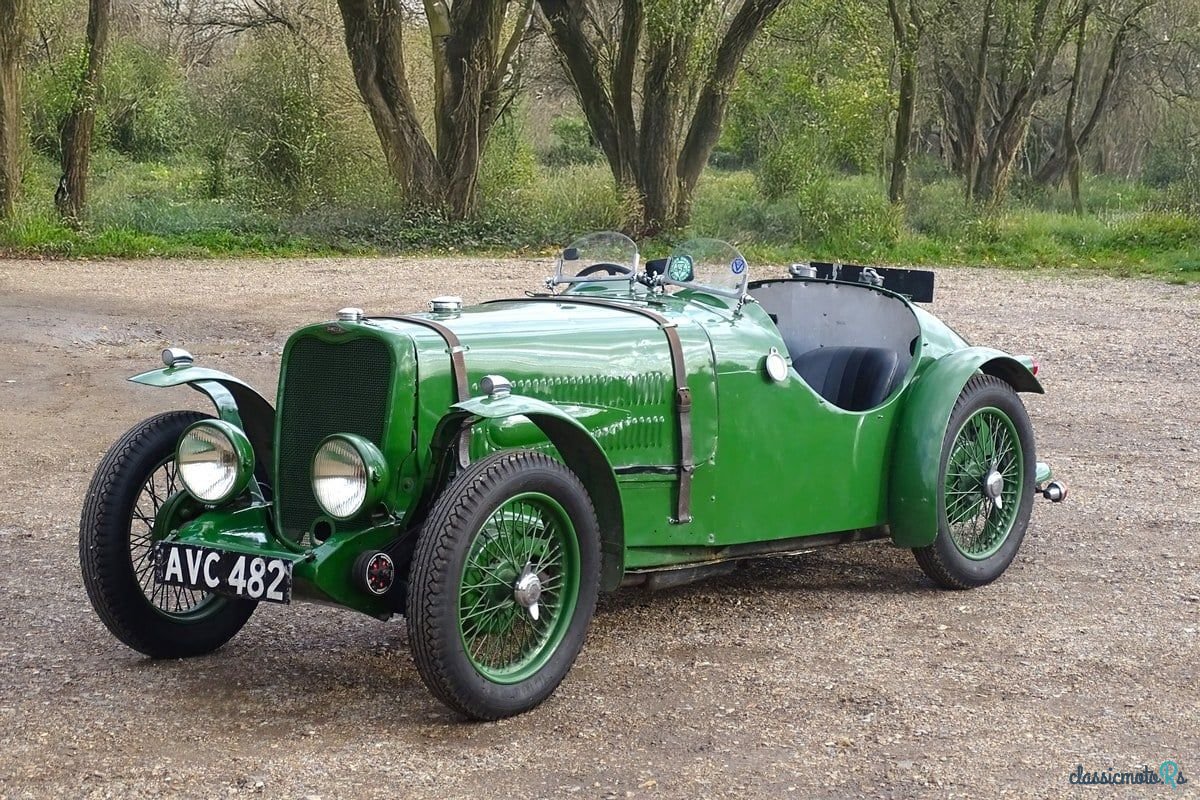
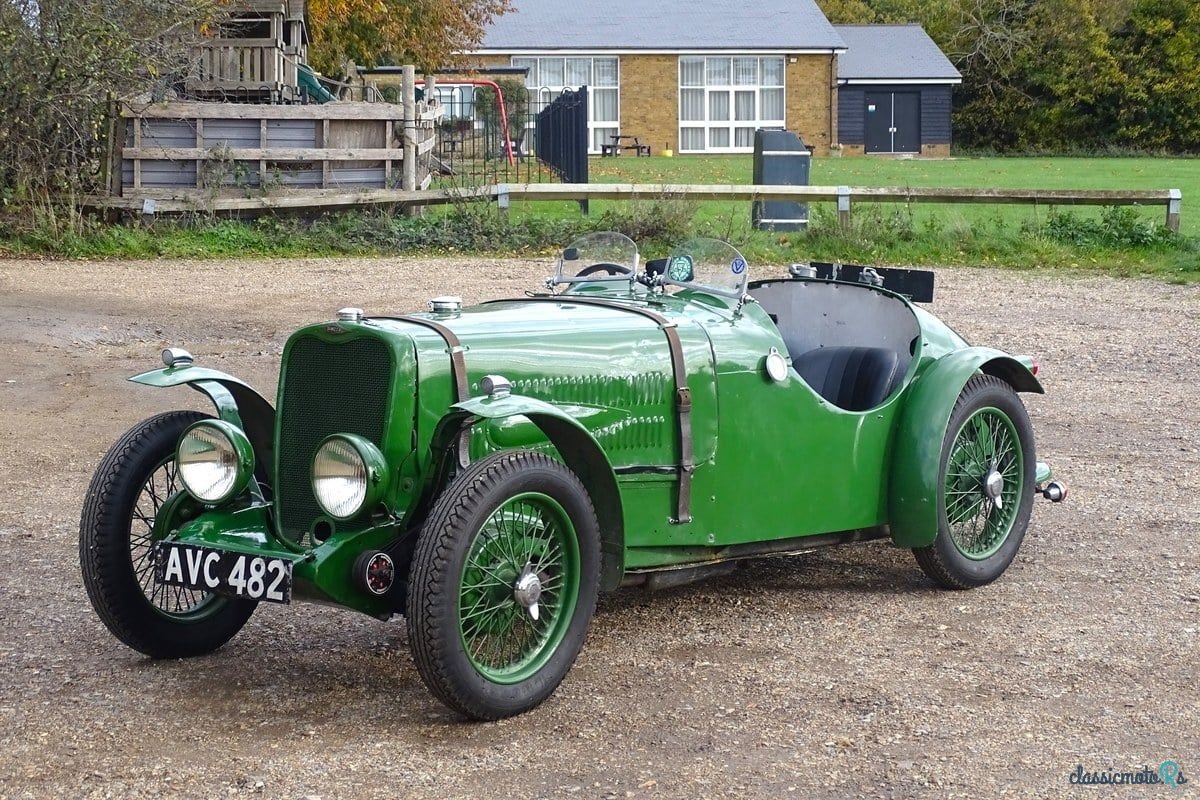
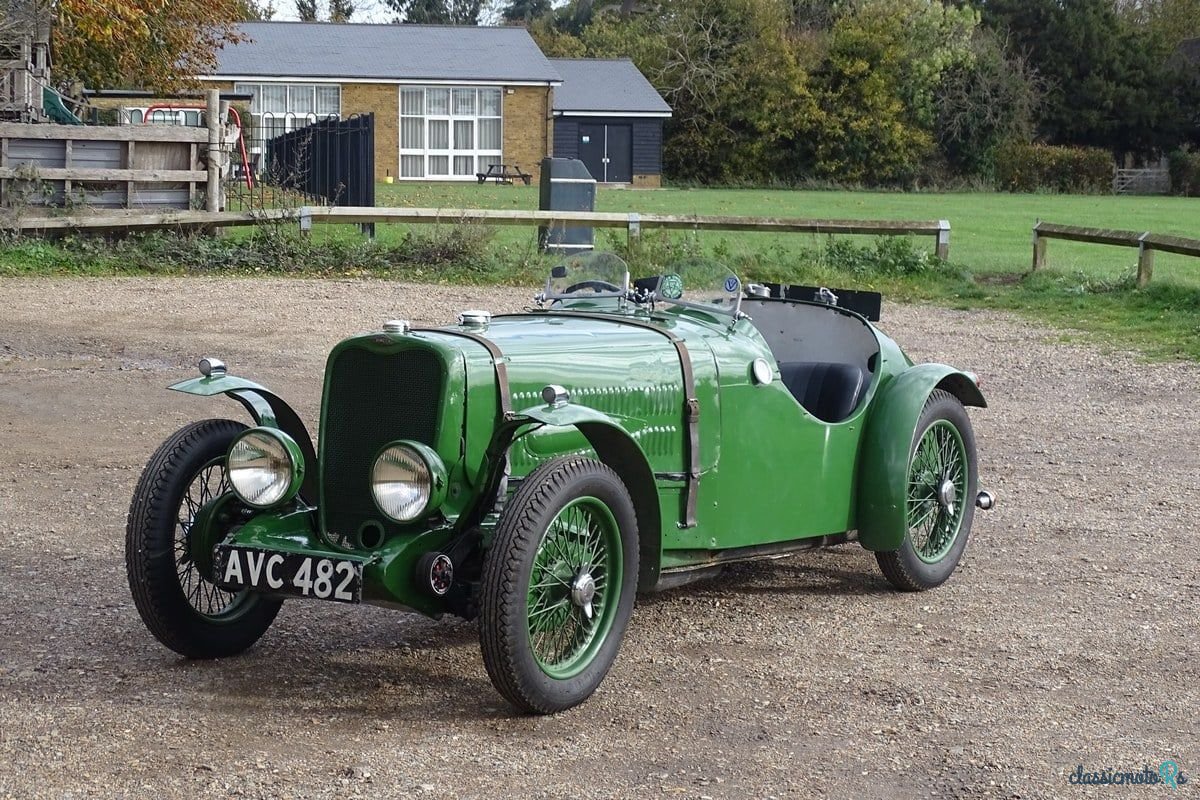
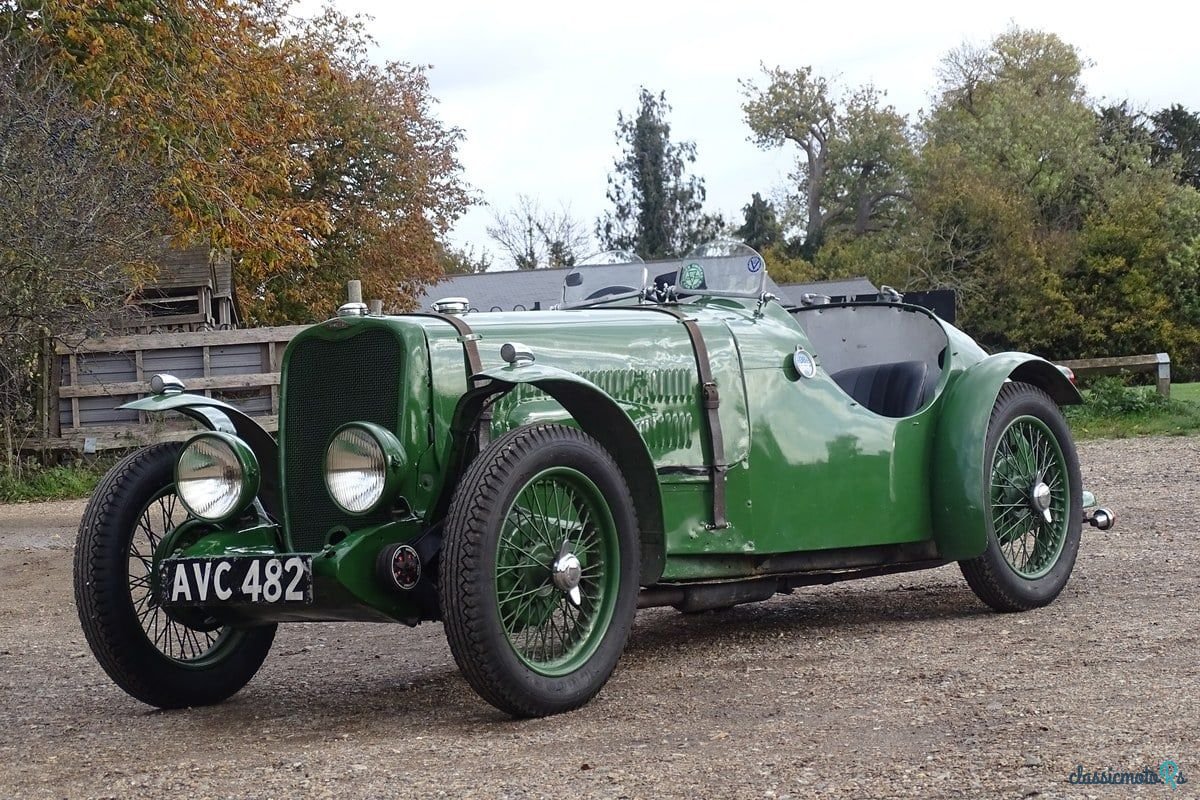
1935 Singer Nine TT Team Car
1 of 4 Works Singer Le Mans Entries
Estimate
£60, 000 - £80, 000
Registration No: AVC 482
Chassis No: 62797
MOT: Exempt
1 of just 4 'AVC' cars ever made by Singer as works competition entries
Competitor in the 1935 and 1937 24 Hours of Le Mans
Still retaining it's original engine block as a matching numbers example with some more recent competition history
Offered for sale out of single family ownership for over 30 years with a large supply of spares and paperwork
"Already this year - out of 305 Singers entered in competitions, 246 gained awards, and in addition 9 Team Prizes. In the recent RAC Rally a Singer '9' gained more marks than any other car. And this month, in the gruelling Round-the-Houses Motor Car Race at Bray, Ireland, the Singer 'Nines' won the Feighery Cup, the Team Prize and were the only Team to finish the course. And the 1934 Australian Grand Prix has been won outright by a Singer" (Singer advertisement, May 1934).
Under the guidance of its Competitions Department Manager F. S. (Stanley) Barnes, the Coventry manufacturer also contested that season's Le Mans 24-hours and Ards Tourist Trophy. The former race saw all three Works entries finish with the two 9hp cars being the first and second sub-1000cc machines home (a performance which enabled them to claim second and third places in the Rudge-Whitworth Cup), while the latter event proved a disappointment despite Singer enlisting the help of Brooklands-based tuning specialists Thompson & Taylor to fettle its trio of Works 1. 5 litre entries (the only one left running when the chequered flag fell had completed an insufficient distance to be classified).
For 1935 Singer decided to focus its sports car racing efforts on creating a radical 9hp design with which to contest the Ards Tourist Trophy. The Irish event's ban on supercharged entries and intricate handicapping system made it particularly attractive to Stanley Barnes but he remained committed to the Le Mans 24-hours too. Road registered as 'AVC 481', 'AVC 482', 'AVC 483' and 'AVC 484', the new Singer Nine TT Team Cars utilised a bespoke chassis frame equipped with all-round semi-elliptic leaf-sprung suspension, heavy-duty Andre Hartford friction shock absorbers, four-wheel hydraulic drum brakes and an underslung semi-floating rear axle. Powered by the marque's jewel-like 972cc SOHC four-cylinder engine allied to four-speed close-ratio manual transmission, the quartet were reputedly capable of over 100mph (depending upon gearing).
Stanley Barnes took all four 'AVC' cars to France for the June 15th-16th 1935 Le Mans 24-hours (though, 'AVC 484' only went as a spare). Having set an impressive pace in practice 'AVC 481' and 'AVC 482' succumbed to starter motor problems during the race but Stanley Barnes and Alf Langley nursed an ailing 'AVC 483' to 16th place overall and 2nd-in-class behind the MG K3 of Philippe Maillard-Brune and Charles Druck. Just over a month later, three TT Team Cars entered for the LCC Relay Race at Brooklands on July 20th 1935. By averaging 85. 13mph over 90 laps (with a fastest flying lap of 89mph), the Singers not only won the race outright but also lifted the MG Challenge Trophy and Wakefield Cup. Spirits were understandably high ahead of the September 7th 1935 Tourist Trophy race with Barnes opting to run all four TT Team Cars; the first and last time that the quartet would compete together. Allocated to Alf Langley - Car Number 35, 'AVC 483', J. D. (Donald) Barnes - Car Number 36, 'AVC 481', S. C. H. (Sammy) Davis - Car Number 37, 'AVC 484' and Norman Black - Car Number 38, 'AVC 482', the Singers failed scrutineering after it was discovered that their steering gear layout had yet to appear on a production model. Hurriedly modified by the marque's Belfast agent, the 'AVC' cars were cleared to race. Recalling the day's events some fourteen years later in 'A Racing Motorist - His Adventures at Wheel in War and Peace', Sammy Davis wrote:
"And then, very swiftly it seemed, a flag dropped, ten starters 'wowled', the engines woke to life, and off we went in the usual uproar, with clouds of smoke and each car almost bumping off the others in close company. Team orders were that Norman ran his own race with the fourth car, free from limitations, and then came the other three - mine, Langley's and Donald Barnes'. We all swung beautifully round Mill Corner and, accelerating hard, got by the White Adlers and two of the Fiats, then sliding a bit on the top turn, settled down. And immediately we got involved in a world's record dog-fight, ffrench Davis' Fiat, Norman, myself and Langley, all in one group so compact that they could have been covered with a carpet. Three abreast we had to get round corners, and whenever a car used the footpath from Newtownards to Comber, up came a huge cloud of stinging dust through which we drove blind hoping the cars were straight".
Poor visibility notwithstanding, Davis found that Car Number 37 ('AVC 484') "was very easy to drive, it took a bit of holding just after a turn, but otherwise let you relax entirely, so there was no feeling of fatigue at all, just a general sense of great enjoyment". In a successful attempt to dispatch ffrench Davis' Fiat, the only class rival keeping pace with the Singer team, Davis briefly ran his engine up to 5, 500 rpm (some 700 revs above Stanley Barnes' suggested rev limit). The powerplant seemed undamaged by the extra load and Davis was circulating faster than ever when Car Number 37 succumbed to the same steering gear failure as Car Number 35 and Car Number 38; Car Number 36 was withdrawn shortly thereafter on safety grounds. The incident was clearly traceable to the last minute modifications insisted on by the scrutineers but with three of the TT Team Cars crashing out on the same corner, Bradshaw's Brae, and Davis' machine ending up atop Black's (AVC 482), the Singers' misfortune all but overshadowed Freddie Dixon's victory.
Thankfully none of the drivers were injured and eager to minimise the ensuing negative publicity, Singer closed its Competition Department at the end of the season; a move which prompted Stanley Barnes to begin working for Autosports Ltd full-time. A joint venture between the Barnes brothers, the North Worcestershire-based Autosports outfit wasted little time in purchasing the four TT Team Cars together with their associated spares. Enjoying a degree of tacit Works support, the Barnes brothers continued to campaign the rejuvenated 'AVC' racers at a variety of high-profile meetings.
** Bidding will take place live at the venue, online via our H&H website, by telephone and commission - T&Cs apply**
Parking and entry into the auction is free for auction attendees with a catalogue, available at the door.
Catalogues can be purchased for £20 (admits 2 people).
Viewing: Tues 2nd December from 12pm
Auction: Wed 3rd December from 9am
Location: Millbrook Proving Ground, Station Lane, Bedford MK45 2JH
1935 Singer Nine TT Team Car
1 of 4 Works Singer Le Mans Entries
Estimate
£60, 000 - £80, 000
Registration No: AVC 482
Chassis No: 62797
MOT: Exempt
1 of just 4 'AVC' cars ever made by Singer as works competition entries
Competitor in the 1935 and 1937 24 Hours of Le Mans
Still retaining it's original engine block as a matching numbers example with some more recent competition history
Offered for sale out of single family ownership for over 30 years with a large supply of spares and paperwork
"Already this year - out of 305 Singers entered in competitions, 246 gained awards, and in addition 9 Team Prizes. In the recent RAC Rally a Singer '9' gained more marks than any other car. And this month, in the gruelling Round-the-Houses Motor Car Race at Bray, Ireland, the Singer 'Nines' won the Feighery Cup, the Team Prize and were the only Team to finish the course. And the 1934 Australian Grand Prix has been won outright by a Singer" (Singer advertisement, May 1934).
Under the guidance of its Competitions Department Manager F. S. (Stanley) Barnes, the Coventry manufacturer also contested that season's Le Mans 24-hours and Ards Tourist Trophy. The former race saw all three Works entries finish with the two 9hp cars being the first and second sub-1000cc machines home (a performance which enabled them to claim second and third places in the Rudge-Whitworth Cup), while the latter event proved a disappointment despite Singer enlisting the help of Brooklands-based tuning specialists Thompson & Taylor to fettle its trio of Works 1. 5 litre entries (the only one left running when the chequered flag fell had completed an insufficient distance to be classified).
For 1935 Singer decided to focus its sports car racing efforts on creating a radical 9hp design with which to contest the Ards Tourist Trophy. The Irish event's ban on supercharged entries and intricate handicapping system made it particularly attractive to Stanley Barnes but he remained committed to the Le Mans 24-hours too. Road registered as 'AVC 481', 'AVC 482', 'AVC 483' and 'AVC 484', the new Singer Nine TT Team Cars utilised a bespoke chassis frame equipped with all-round semi-elliptic leaf-sprung suspension, heavy-duty Andre Hartford friction shock absorbers, four-wheel hydraulic drum brakes and an underslung semi-floating rear axle. Powered by the marque's jewel-like 972cc SOHC four-cylinder engine allied to four-speed close-ratio manual transmission, the quartet were reputedly capable of over 100mph (depending upon gearing).
Stanley Barnes took all four 'AVC' cars to France for the June 15th-16th 1935 Le Mans 24-hours (though, 'AVC 484' only went as a spare). Having set an impressive pace in practice 'AVC 481' and 'AVC 482' succumbed to starter motor problems during the race but Stanley Barnes and Alf Langley nursed an ailing 'AVC 483' to 16th place overall and 2nd-in-class behind the MG K3 of Philippe Maillard-Brune and Charles Druck. Just over a month later, three TT Team Cars entered for the LCC Relay Race at Brooklands on July 20th 1935. By averaging 85. 13mph over 90 laps (with a fastest flying lap of 89mph), the Singers not only won the race outright but also lifted the MG Challenge Trophy and Wakefield Cup. Spirits were understandably high ahead of the September 7th 1935 Tourist Trophy race with Barnes opting to run all four TT Team Cars; the first and last time that the quartet would compete together. Allocated to Alf Langley - Car Number 35, 'AVC 483', J. D. (Donald) Barnes - Car Number 36, 'AVC 481', S. C. H. (Sammy) Davis - Car Number 37, 'AVC 484' and Norman Black - Car Number 38, 'AVC 482', the Singers failed scrutineering after it was discovered that their steering gear layout had yet to appear on a production model. Hurriedly modified by the marque's Belfast agent, the 'AVC' cars were cleared to race. Recalling the day's events some fourteen years later in 'A Racing Motorist - His Adventures at Wheel in War and Peace', Sammy Davis wrote:
"And then, very swiftly it seemed, a flag dropped, ten starters 'wowled', the engines woke to life, and off we went in the usual uproar, with clouds of smoke and each car almost bumping off the others in close company. Team orders were that Norman ran his own race with the fourth car, free from limitations, and then came the other three - mine, Langley's and Donald Barnes'. We all swung beautifully round Mill Corner and, accelerating hard, got by the White Adlers and two of the Fiats, then sliding a bit on the top turn, settled down. And immediately we got involved in a world's record dog-fight, ffrench Davis' Fiat, Norman, myself and Langley, all in one group so compact that they could have been covered with a carpet. Three abreast we had to get round corners, and whenever a car used the footpath from Newtownards to Comber, up came a huge cloud of stinging dust through which we drove blind hoping the cars were straight".
Poor visibility notwithstanding, Davis found that Car Number 37 ('AVC 484') "was very easy to drive, it took a bit of holding just after a turn, but otherwise let you relax entirely, so there was no feeling of fatigue at all, just a general sense of great enjoyment". In a successful attempt to dispatch ffrench Davis' Fiat, the only class rival keeping pace with the Singer team, Davis briefly ran his engine up to 5, 500 rpm (some 700 revs above Stanley Barnes' suggested rev limit). The powerplant seemed undamaged by the extra load and Davis was circulating faster than ever when Car Number 37 succumbed to the same steering gear failure as Car Number 35 and Car Number 38; Car Number 36 was withdrawn shortly thereafter on safety grounds. The incident was clearly traceable to the last minute modifications insisted on by the scrutineers but with three of the TT Team Cars crashing out on the same corner, Bradshaw's Brae, and Davis' machine ending up atop Black's (AVC 482), the Singers' misfortune all but overshadowed Freddie Dixon's victory.
Thankfully none of the drivers were injured and eager to minimise the ensuing negative publicity, Singer closed its Competition Department at the end of the season; a move which prompted Stanley Barnes to begin working for Autosports Ltd full-time. A joint venture between the Barnes brothers, the North Worcestershire-based Autosports outfit wasted little time in purchasing the four TT Team Cars together with their associated spares. Enjoying a degree of tacit Works support, the Barnes brothers continued to campaign the rejuvenated 'AVC' racers at a variety of high-profile meetings.
** Bidding will take place live at the venue, online via our H&H website, by telephone and commission - T&Cs apply**
Parking and entry into the auction is free for auction attendees with a catalogue, available at the door.
Catalogues can be purchased for £20 (admits 2 people).